
An old dog limping on their back leg can be alarming, especially when it appears suddenly or worsens overnight.
In senior dogs, back-leg limping is rarely a minor issue and often points to pain or nerve involvement that needs attention.
We explain the common causes of back-leg limping in old dogs and what you can do.
Table of Contents
Old Dog Limping Back Leg: Why It Happens
When an old dog is limping on a back leg, it is most often caused by joint degeneration, soft-tissue injury, spinal changes, or nerve compression associated with aging.
As dogs get older, wear and tear on the hips, knees, and lower spine reduces stability and increases pain with movement. Muscle loss and slower healing also mean that even minor strains can cause noticeable limping.
In some cases, limping may signal a more serious orthopedic or neurological condition that should not be ignored.
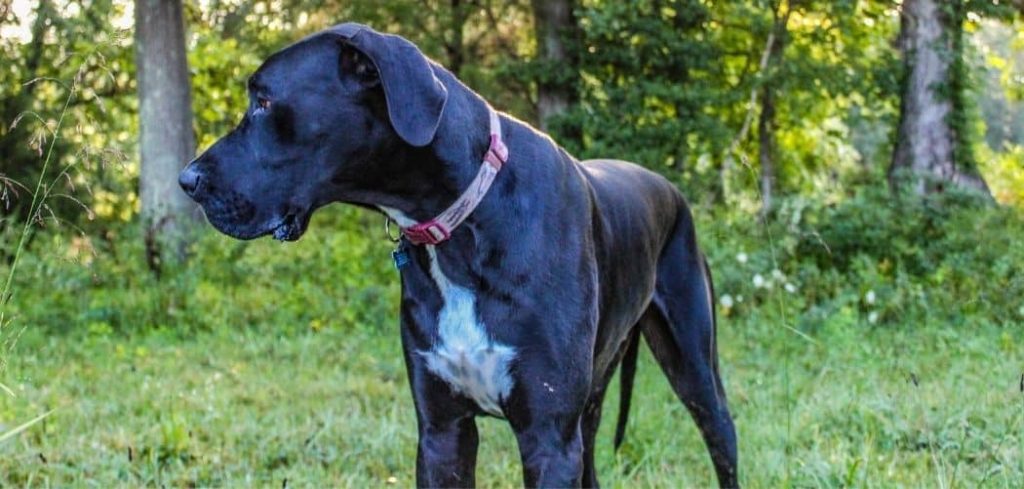
Signs of Back-Leg Limping in Old Dogs
An old dog limping on a back leg may favor one side, avoid putting full weight on the leg, or hesitate before standing up. Some dogs limp only after rest, while others worsen with activity.
You may also notice stiffness, reluctance to climb stairs, difficulty rising from lying down, or changes in posture when walking or standing.
Old Dog Limping Back Leg: Common Causes
Hip Dysplasia and Degenerative Hip Disease
Many dogs with mild hip dysplasia show few signs when younger, but symptoms often worsen significantly in old age. The hip joint becomes unstable, inflamed, and painful with repeated use.
Back-leg limping may appear on one side first, especially after exercise. Over time, both hind legs may be affected, making walking and standing increasingly difficult.
Read more: Old Dog Limping Front Leg (Causes and treatment)
Osteoarthritis
Osteoarthritis is the most common reason an old dog starts limping on a back leg. Over time, the cartilage that cushions joints wears down, leading to inflammation, stiffness, and chronic pain.
This pain is often worse after resting or in cold weather, causing dogs to limp when they first get up. As the condition progresses, limping may become more consistent and limit mobility.
Cranial Cruciate Ligament (CCL) Injury
Partial or complete tears of the cranial cruciate ligament are common in senior dogs. Unlike sudden injuries in young dogs, older dogs may develop gradual ligament weakening that leads to limping without a clear traumatic event.
Dogs with CCL damage often limp intermittently at first, then progress to consistent back-leg lameness and difficulty bearing weight.
Muscle Strain or Soft-Tissue Injury
Older dogs have less muscle mass and flexibility, making them more prone to strains. A simple slip, jump, or awkward movement can overstretch muscles or tendons in the hind leg.
While mild strains may improve with rest, ongoing limping suggests underlying weakness or repeated injury that needs evaluation.
Degenerative Disc Disease
Changes in the lower spine can compress nerves that control the back legs. This can cause limping, weakness, or an abnormal gait rather than obvious joint pain.
Dogs may drag their toes, stumble, or appear uncoordinated in addition to limping. These signs often worsen over time if untreated.
Bone Disease
In some cases, persistent limping in an old dog may be caused by bone cancer or other growths affecting the hind leg or pelvis. Pain may be severe and progressively worsen despite rest.
This cause is more likely when limping is accompanied by swelling, weight loss, or pain when the leg is gently touched.
Read more: Old Dog Back Legs Collapsing (Causes and what to do)
Old Dog Limping Back Leg: What to Do
Start by limiting activity. Avoid long walks, running, or jumping, and encourage rest on supportive bedding to reduce joint strain.
Help your dog move safely by providing non-slip flooring, ramps instead of stairs, and assistance when standing up. Reducing effort can significantly decrease pain.
Maintain a healthy weight. Even small amounts of excess weight place additional stress on aging joints and can worsen limping.
Use warmth and comfort. Gentle warmth can help stiff joints, while a calm environment reduces stress that may worsen pain perception.
Monitor changes closely. Note when the limping occurs, whether it improves with rest, and if additional symptoms appear.
When to Call or Visit Your Veterinarian
You should contact your veterinarian if limping lasts more than 24–48 hours or worsens instead of improving.
Immediate veterinary care is needed if your dog cannot bear weight on the leg, cries in pain, or shows signs of neurological weakness such as dragging the leg.
Seek prompt evaluation if limping is accompanied by swelling, fever, loss of appetite, or behavioral changes, as these may indicate serious underlying conditions.
Read more: Old Dog Legs Splayed Out (What it means)
Old Dog Limping Back Leg: Treatment
Veterinary treatment for an old dog limping on a back leg depends on the underlying cause, which commonly includes arthritis, cruciate ligament (ACL) tears, hip dysplasia, muscle strain, nerve issues, or in some senior dogs, bone tumors.
At the veterinary visit, your dog will receive a physical and orthopedic examination to pinpoint where the pain is coming from. X-rays are often recommended to evaluate the hips, knees, and spine for arthritis, ligament injury, fractures, or abnormal bone changes.
In some cases, bloodwork may be performed before starting medications, especially in older dogs.
Common Veterinary Treatments:
Anti-inflammatory medications (NSAIDs) to reduce pain and inflammation.
Additional pain control medications for moderate to severe discomfort.
Joint support therapy, including prescription joint supplements.
Weight management to reduce pressure on the hips and knees.
Physical therapy or rehabilitation to strengthen muscles and improve mobility.
Surgery, particularly if there is a torn cruciate ligament or severe joint instability.
If the limp is sudden, your dog refuses to bear weight, the leg appears swollen, or there are signs of severe pain, lethargy, or appetite loss, prompt veterinary evaluation is essential.
In senior dogs, early diagnosis and treatment can greatly improve comfort, mobility, and overall quality of life.
Key Takeaway
An old dog limping on a back leg is almost always a sign of pain, weakness, or structural change related to aging. Conditions like arthritis, hip disease, ligament injury, and spinal degeneration are common and often progressive if left untreated.
Early recognition, supportive care at home, and timely veterinary involvement can greatly improve comfort and mobility. With the right management plan, many senior dogs can continue to enjoy a good quality of life despite back-leg challenges.