
If you’ve recently noticed your old dog laying in weird places, you’re probably wondering what’s going on. Maybe your senior pup suddenly prefers the bathroom floor instead of their cozy bed. Or perhaps they’ve started resting in closets, hallways, or tight corners.
At first, it might seem quirky. But when an old dog laying in weird places becomes frequent or unusual, it can signal changes in comfort, health, or behavior.
Aging brings physical and emotional shifts. While some location changes are harmless, others may point to discomfort, anxiety, or underlying medical conditions.
We outline the most common causes, when to worry, and how to support your aging dog during this stage of life.
Table of Contents
Behavioral Changes in Senior Dogs
As dogs grow older, their needs evolve. Joints may ache. Vision and hearing may decline. Sleep patterns shift. Even temperature sensitivity can change.
Because of these factors, older dogs sometimes seek new resting spots that better meet their current needs. An old dog laying in weird places may simply be adjusting to physical changes.
However, sudden or extreme shifts in behavior deserve closer attention. Observing patterns and accompanying symptoms helps determine whether the behavior is harmless or concerning.
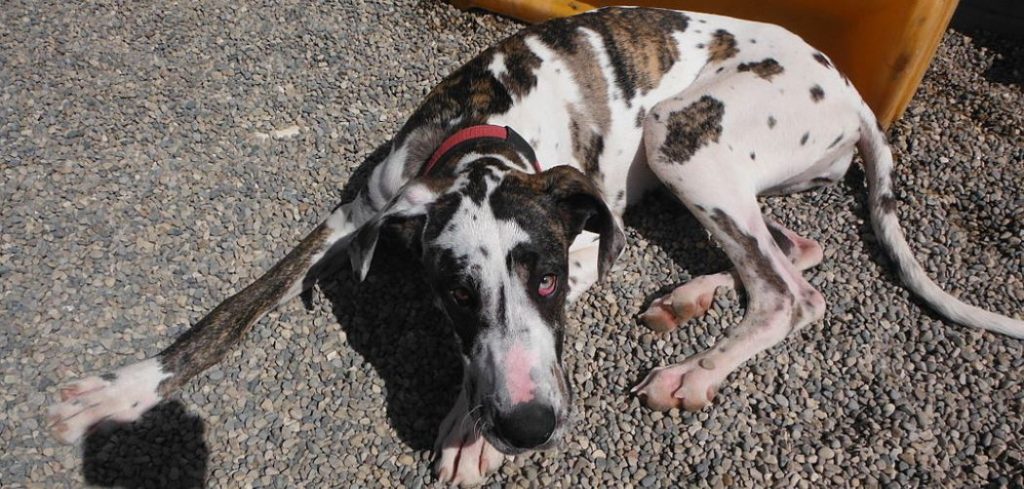
Old Dog Laying in Weird Places: What It Means
A dog laying in weird places usually describes a senior dog choosing unusual or unexpected spots to rest. These places may include:
Bathrooms or tile floors.
Closets or dark corners.
Near doors or windows.
Under furniture.
In isolated areas away from family.
While younger dogs may occasionally explore different sleeping areas, persistent relocation in senior dogs often has a reason behind it.
Related: Old dog behavior change (What to expect and what to do)
Old Dog Laying in Weird Places: Common Causes
Seeking Relief from Joint Pain
Arthritis is extremely common in older dogs. Inflamed joints and stiffness can make certain surfaces feel more comfortable than others.
An old dog laying in weird places may be choosing cool tile floors because they soothe inflamed joints. Hard surfaces can sometimes provide firmer support than soft bedding, especially if the bed no longer offers adequate cushioning.
You may also notice stiffness when your dog stands up, reluctance to climb stairs, or slower movement during walks.
Upgrading to orthopedic bedding and discussing pain management with your veterinarian can make a noticeable difference.
Temperature Regulation Changes
As dogs age, their ability to regulate body temperature can decline. Some senior dogs feel warmer than usual and seek cool areas such as bathrooms or kitchens.
If your old dog laying in weird places tends to favor tile floors, shaded corners, or near vents, temperature comfort may be the reason.
Conversely, some dogs seek warmer enclosed spaces like closets if they feel chilled more easily. Observing whether the behavior changes with seasonal temperature shifts can offer helpful clues.
Providing climate-controlled sleeping areas may reduce this behavior.
Cognitive Dysfunction (Dog Dementia)
Canine Cognitive Dysfunction (CCD) affects memory, awareness, and behavior in aging dogs. Similar to Alzheimer’s disease in humans, it can cause confusion and disorientation.
An old dog laying in weird places may be experiencing cognitive decline. They might wander into unfamiliar corners and forget why they went there. Some dogs get “stuck” behind furniture or in tight spaces.
Other signs of CCD include staring into space, disrupted sleep cycles, house-training accidents, and reduced interaction with family members.
Early veterinary intervention can help slow progression and improve quality of life.
Anxiety
Aging can make dogs more sensitive to stress. Hearing and vision loss may increase feelings of insecurity. Household changes, new pets, or visitors can also trigger anxiety.
When an old dog laying in weird places isolates themselves, it may reflect emotional discomfort rather than physical illness.
Dogs sometimes seek quiet, enclosed spaces to feel safe. Nighttime anxiety may also drive them to relocate to areas that feel more secure.
Establishing consistent routines and offering gentle reassurance can help ease emotional stress.
Internal Illness or Discomfort
Certain medical conditions can cause dogs to rest in unusual areas. Abdominal pain, nausea, or organ dysfunction may prompt them to avoid their usual sleeping spot.
An old dog laying in weird places might be attempting to self-soothe discomfort. Some dogs instinctively isolate themselves when they don’t feel well.
Additional symptoms such as appetite changes, vomiting, increased thirst, or lethargy warrant immediate veterinary evaluation. Blood tests and physical exams can help identify underlying health issues.
Related: Old dog just sleeps all day (Is it normal?)
Sensory Decline and Confusion
Vision and hearing loss are common in senior dogs. Reduced sensory awareness can make familiar environments feel unfamiliar.
An old dog laying in weird places may simply be navigating differently due to sensory changes. Poor vision in low light may cause them to stop in a hallway or corner.
Soft lighting and maintaining consistent furniture placement can help reduce confusion.
When Should You Be Concerned?
Occasional location changes are normal. However, you should consult your veterinarian if:
The behavior begins suddenly.
Your dog appears disoriented or confused.
There are additional symptoms such as appetite loss or weight change.
Your dog isolates completely from family members.
There are signs of pain or difficulty moving.
Sudden behavioral changes in senior dogs should never be ignored.
Diagnosis
Diagnosis includes a detailed history and physical examination. Your veterinarian will assess joint health, neurological function, and overall condition.
Blood tests may rule out metabolic disorders. Imaging such as X-rays can detect arthritis or structural issues. Behavioral assessments may help identify cognitive decline. Accurate diagnosis allows for targeted treatment.
Related: Old dog suddenly not sleeping at night (Here’s why)
Supporting Your Senior Dog at Home
You can take several steps to help your dog feel more comfortable. Provide high-quality orthopedic bedding in quiet but accessible areas. Ensure floors are non-slip to prevent falls. Keep rooms well-lit during evening hours.
Maintain a consistent daily routine. Regular feeding and walking schedules promote stability.
If anxiety is suspected, gentle reassurance and environmental enrichment can help reduce stress. Small adjustments often make a big impact.
Treatment and Management
Treatment depends on the underlying cause. Arthritis may require anti-inflammatory medications and weight management. Cognitive dysfunction can be managed with prescription medication and mental stimulation activities.
Internal illnesses are treated based on diagnosis. Anxiety may improve with behavioral support or veterinarian-approved calming supplements.
Ongoing veterinary monitoring ensures adjustments can be made as your dog ages.
Key Takeaway
If your old dog laying in weird places has caught your attention, observe carefully before assuming the worst. Many causes are manageable and linked to normal aging.
However, sudden or extreme changes require veterinary evaluation. Early intervention can prevent small problems from becoming serious.
Your dog has spent years resting faithfully by your side. By understanding their evolving needs, you can ensure they continue resting comfortably and safely throughout their golden years.
Aging brings change—but with knowledge and love, it also brings deeper connection and care.