
Noticing your old dog experience laboured breathing at night can be alarming. Nighttime is supposed to be when your senior companion rests peacefully. Hearing heavy panting, wheezing, or strained breathing after dark can instantly trigger worry.
Is it just normal aging? Is your dog overheated? Or could it be a serious medical issue?
When an old dog laboured breathing at night becomes noticeable, it should never be ignored. While some causes may be mild or temporary, others can signal underlying distress.
Table of Contents
Breathing Changes in Senior Dogs
As dogs age, their bodies become less efficient. The heart may pump less effectively. Lung elasticity can decrease. Muscles that assist breathing may weaken.
Because of these changes, older dogs are more vulnerable to respiratory issues. Nighttime can make symptoms more noticeable because the body is at rest and environmental distractions are reduced.
If your old dog laboured breathing at night, it’s important to observe whether the breathing is consistently heavy, unusually fast, or accompanied by other symptoms such as coughing or restlessness.
Normal resting breathing for dogs is typically between 15 and 30 breaths per minute. Anything significantly higher, especially during sleep, deserves attention.
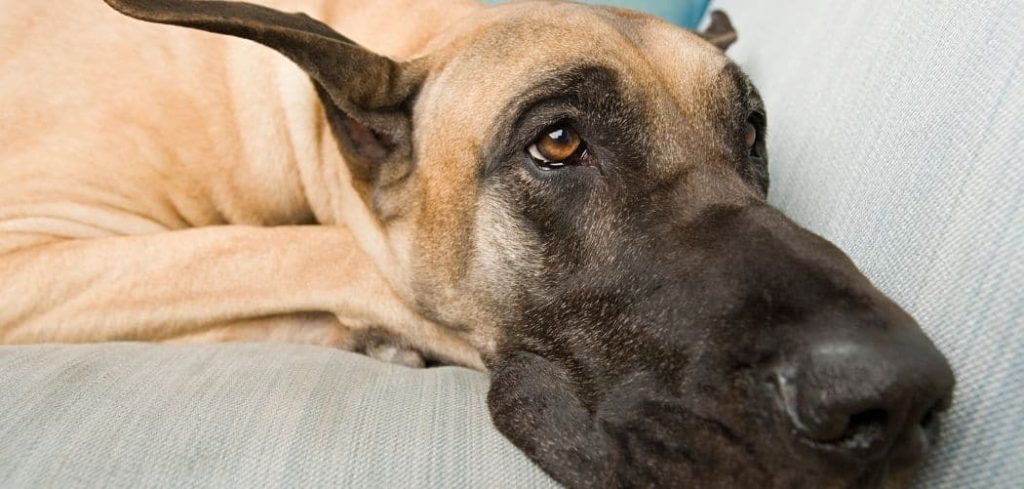
Symptoms of Laboured Breathing
Laboured breathing, also known as dyspnea, may present in several ways. You may notice exaggerated chest movements, flared nostrils, open-mouth breathing, or abdominal effort during inhalation.
Some dogs pace or struggle to lie down comfortably. Others may sit upright with their neck extended to help air flow more easily.
When an old dog laboured breathing at night, the effort involved in each breath often appears visible and strained. Recognizing these signs early can make a significant difference in outcomes.
Old Dog Laboured Breathing at Night: Common Causes
Congestive Heart Failure
One of the most serious causes of an old dog laboured breathing at night is congestive heart failure. In this condition, the heart cannot pump blood efficiently, leading to fluid buildup in or around the lungs.
When dogs lie down at night, fluid may redistribute in the body, making breathing more difficult. This often results in heavy panting, coughing, or restlessness.
You may also notice reduced exercise tolerance, fatigue, decreased appetite, or a persistent cough. Some dogs appear more comfortable sleeping upright rather than lying flat.
Heart disease is common in senior dogs, and early diagnosis significantly improves management options. Heart failure requires immediate veterinary care and long-term management.
Related: Old dog making weird breathing noises (What it means)
Chronic Respiratory Disease
Older dogs can develop chronic bronchitis or other lung conditions. Inflammation in the airways restricts airflow and makes breathing more labor-intensive.
At night, when the dog is relaxed, airway collapse or inflammation may become more noticeable. An old dog laboured breathing at night due to respiratory disease may also show wheezing or a persistent dry cough.
These conditions often require medications such as bronchodilators or anti-inflammatory drugs to ease breathing.
Obesity and Excess Weight
Carrying extra weight places added pressure on the lungs and diaphragm. Obese senior dogs may struggle more to breathe comfortably when lying down.
If your old dog laboured breathing at night and is overweight, the body’s increased oxygen demand may be contributing to the strain.
Weight management can significantly reduce breathing difficulty and improve overall health.
Pain or Anxiety
Pain and anxiety can both cause heavy breathing. Arthritis, abdominal discomfort, or internal pain may worsen at night when the dog shifts positions.
An old dog laboured breathing at night may not be struggling with lung or heart disease but reacting to discomfort.
Anxiety, especially in dogs experiencing cognitive decline, can also increase respiratory rate. Nighttime confusion may trigger pacing and rapid breathing.
Careful observation helps distinguish between physical illness and emotional distress.
Laryngeal Paralysis
Laryngeal paralysis occurs when the muscles controlling the voice box fail to open properly during breathing. This condition is more common in older, large-breed dogs.
When an old dog laboured breathing at night due to laryngeal paralysis, you may hear noisy breathing, especially during inhalation.
The dog may seem to struggle more in warm environments. This condition can become serious and often requires surgical intervention.
Anemia or Metabolic Disorders
Low red blood cell counts reduce oxygen delivery to tissues. As a result, the body compensates by increasing breathing rate.
An old dog laboured breathing at night may also show pale gums, weakness, or lethargy if anemia is present.
Metabolic disorders such as kidney disease can similarly affect breathing patterns. Blood tests are essential for diagnosis.
Related: Old dog breathing heavily (Causes and treatment)
When Is It an Emergency?
Certain signs require immediate veterinary attention.
Seek emergency care if:
Breathing is rapid and persistent.
Your dog’s gums appear pale or bluish.
There is collapse or extreme weakness.
Coughing produces pink or frothy fluid.
Your dog seems unable to catch their breath.
Breathing difficulties should always be treated as urgent until proven otherwise.
Diagnosis of Breathing Problems
Veterinary evaluation begins with a physical exam and listening to the heart and lungs. Your veterinarian may recommend chest X-rays to detect fluid, tumors, or airway issues.
Blood tests help identify anemia or organ dysfunction. An ultrasound may assess heart function.
In some cases, oxygen therapy is provided immediately before further diagnostics are performed. Immediate diagnosis improves treatment success.
Related: Old dog breathing heavy and not eating (Here’s why)
Treatment and Management
Treatment depends entirely on the underlying cause. Heart failure often requires medications such as diuretics and ACE inhibitors. Chronic respiratory disease may be treated with bronchodilators and anti-inflammatory drugs.
Weight loss plans can reduce strain on the respiratory system. Pain management improves breathing if discomfort is the trigger.
Laryngeal paralysis may require surgery. Anemia treatment depends on the root cause. Your veterinarian will tailor a plan specific to your dog’s condition.
How to Support Your Senior Dog at Home
There are steps you can take to promote easier breathing. Keep your dog in a cool, well-ventilated environment. Avoid excessive heat and humidity. Provide soft bedding that allows your dog to rest comfortably without pressure on the chest.
Maintain regular veterinary checkups to monitor heart and lung health. Keep your dog at a healthy weight.
Most importantly, monitor breathing rate during rest. Count breaths per minute occasionally to establish a baseline.
Key Takeaway
If your old dog laboured breathing at night, take it seriously. While mild causes exist, breathing difficulty can signal serious health concerns.
Observe carefully. Note additional symptoms. Seek veterinary care promptly if breathing appears strained, rapid, or persistent.
Your senior dog has given you years of loyalty and companionship. By responding quickly and thoughtfully, you can ensure their golden years remain as comfortable and peaceful as possible.
Breathing is life—and protecting your dog’s ability to breathe comfortably is one of the most important steps you can take.