
Old dog kidney failure is one of the most serious and emotionally difficult diagnoses senior dog owners face.
Because the kidneys affect hydration, appetite, energy, and toxin removal, failure often causes multiple symptoms that worsen quickly without intervention.
Table of Contents
Old Dog Kidney Failure: Why It Happens
Kidney failure in old dogs usually develops when age-related kidney damage gradually reduces the organs’ ability to filter toxins and regulate fluids.
Over time, waste products build up in the bloodstream, leading to nausea, weakness, dehydration, and appetite loss.
Chronic disease, infections, toxin exposure, and reduced blood flow to the kidneys can all accelerate this decline. Because kidney tissue does not regenerate, damage often progresses silently until symptoms become noticeable.
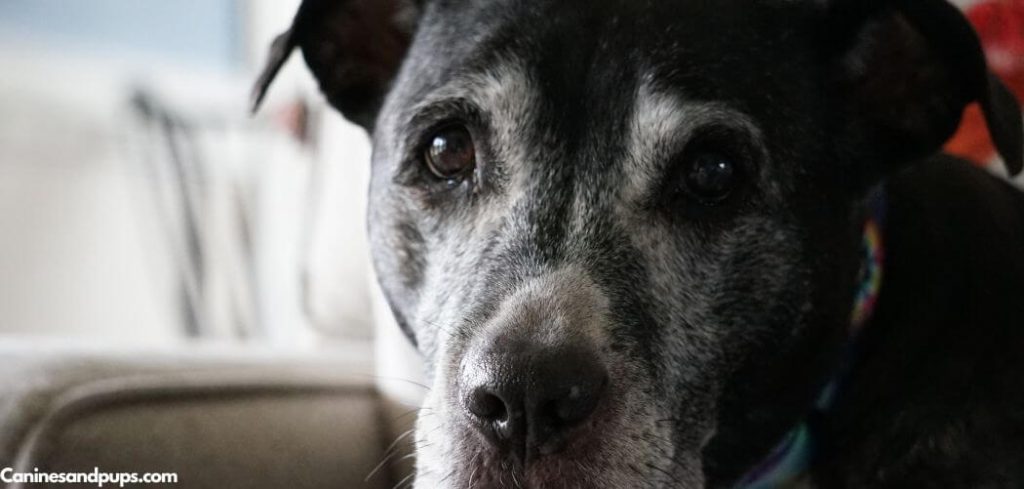
Signs of Old Dog Kidney Failure
Early signs often include increased thirst and urination, which may go unnoticed at first. As the disease advances, dogs may stop eating, lose weight, vomit, or appear weak and withdrawn.
Bad breath with a chemical or ammonia-like odor, mouth ulcers, pale gums, and dehydration are also common.
In later stages, dogs may seem confused, depressed, or unable to maintain normal body temperature.
Old Dog Kidney Failure: Common Causes
Age-Related Degeneration of Kidney Tissue
As dogs age, kidney tissue naturally wears down. Tiny filtering units called nephrons are lost over time, reducing the kidneys’ ability to remove toxins efficiently.
In older dogs, this degeneration happens gradually and often without obvious symptoms until a significant percentage of kidney function is already lost, making early detection difficult.
Read more: Old Dog Kidney Disease (Understanding early stages)
Chronic Kidney Disease Progression
Many senior dogs develop chronic kidney disease that worsens slowly over months or years. This condition is irreversible and tends to progress even with treatment.
Small changes in hydration, blood pressure, or diet can push a stable condition into kidney failure, especially in older dogs whose systems have less reserve.
Long-Term Dehydration
Older dogs are more prone to dehydration due to reduced thirst response, dental pain, mobility issues, or underlying illness. Chronic dehydration places extra strain on the kidneys.
Over time, inadequate fluid intake reduces blood flow to the kidneys, accelerating tissue damage and contributing to kidney failure.
Toxin Exposure and Medication Sensitivity
Senior dogs are more sensitive to toxins such as antifreeze, certain plants, cleaning chemicals, and even some human foods. Exposure may cause sudden kidney failure or worsen existing kidney disease.
Some medications, including long-term pain relievers or improperly dosed drugs, can also stress aging kidneys and contribute to failure.
Infections Affecting the Kidneys
Untreated urinary tract infections or kidney infections can cause inflammation and scarring within the kidneys. In older dogs, the immune system may not respond strongly enough to eliminate infection quickly.
Repeated or severe infections increase the risk of permanent kidney damage and eventual failure.
Reduced Blood Flow Due to Heart
Heart disease, low blood pressure, or severe illness can reduce blood flow to the kidneys. Without adequate circulation, kidney tissue becomes damaged.
In senior dogs, even brief episodes of reduced blood flow can cause lasting harm, especially if kidney function is already compromised.
When to Call or Visit Your Vet
Contact your veterinarian immediately if your dog stops eating for more than a day or begins vomiting repeatedly.
Urgent care is needed if your dog becomes extremely lethargic, disoriented, collapses, or shows signs of severe dehydration such as sunken eyes or sticky gums.
Seek prompt evaluation if urination changes suddenly, breath smells unusually strong, or mouth sores appear, as these often indicate worsening kidney function.
Old Dog Kidney Failure: Treatment
Veterinary treatment for kidney failure in an old dog focuses on supporting kidney function, controlling symptoms, and slowing disease progression.
Treatment often includes intravenous or subcutaneous fluids to correct dehydration and flush toxins from the bloodstream.
Veterinarians may prescribe kidney-support diets, medications to control nausea, vomiting, and stomach acid, and drugs to manage blood pressure and phosphorus levels.
If anemia develops, additional treatments may be needed to improve red blood cell production. In acute or severe cases, hospitalization may be required for intensive fluid therapy and monitoring.
While chronic kidney failure is usually not curable, proper veterinary management can improve comfort, stabilize symptoms, and extend quality of life for many senior dogs.
Old Dog Kidney Failure: What to Do at Home
Focus on keeping your dog well hydrated, offering fresh water frequently and encouraging drinking in gentle ways. Hydration helps reduce toxin buildup.
Feed only veterinarian-approved diets, as improper nutrition can worsen kidney strain. Avoid treats or foods not designed for kidney support.
Keep your dog warm, comfortable, and stress-free. Senior dogs with kidney failure often struggle to regulate body temperature.
Monitor appetite, urination, and behavior closely. Small changes can signal disease progression and should be reported promptly.
Follow your veterinarian’s instructions carefully regarding medications, fluids, and follow-up testing to help slow disease progression.
Key Takeaway
Old dog kidney failure is a progressive, life-altering condition that affects nearly every system in the body. Age-related kidney decline, chronic disease, dehydration, toxins, infections, and reduced circulation all play a role in why kidney failure is so common in senior dogs.
While kidney damage cannot be reversed, early recognition, supportive care, and close veterinary guidance can significantly improve comfort and quality of life.
Paying attention to subtle changes and acting early gives your dog the best chance to stay stable and comfortable as they age.