
Seeing your senior dog sleep for long periods can be worrying, especially if this behavior is new or accompanied by other changes.
Excessive sleep in older dogs may indicate underlying medical conditions or simply changes associated with aging.
We outline the reasons why an old dog may sleep all day, what you can do at home, and when to seek veterinary care.
Old Dog Just Sleeps All Day: Why It Happens
When an old dog sleeps all day, this can be due to natural aging or serious health issues. Age-related changes often reduce energy levels, but chronic fatigue or unusual sleep patterns may point to medical problems such as hypothyroidism, heart disease, arthritis, or infections.
Stress, poor nutrition, and cognitive decline can also contribute to prolonged rest periods.
Monitoring your dog’s overall behavior, appetite, and activity level can help determine whether their sleep pattern is healthy or concerning.
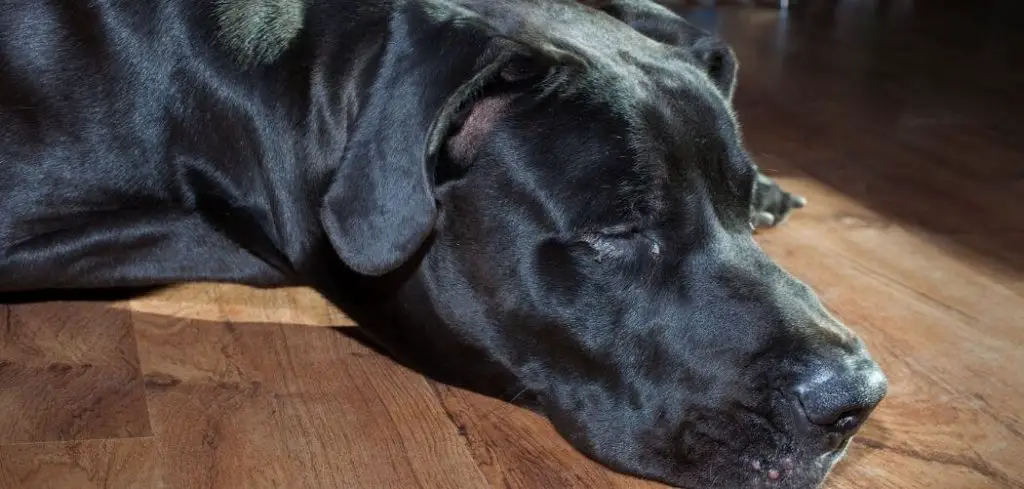
How Long Should Senior Dogs Sleep?
Senior dogs naturally sleep more than younger dogs, often averaging 14–20 hours per day depending on age, breed, and health. As dogs age, their energy levels decrease, and they may tire more easily, leading to longer naps throughout the day and deeper sleep at night.
However, while increased sleep is normal, excessive sleeping combined with weakness, appetite changes, or reduced interest in activities may indicate underlying issues such as arthritis, organ disease, or cognitive decline.
Monitoring behavior and changes in routine helps determine whether the sleep pattern is normal or concerning.
Is It Normal for an Old Dog to Sleep All Day?
It can be normal for an old dog to sleep most of the day, as aging reduces energy levels and increases the need for rest. Many senior dogs sleep 16–20 hours daily, especially if they are otherwise eating, drinking, and moving comfortably.
However, sleeping all day may become concerning if it’s sudden, extreme, or paired with symptoms like weakness, loss of appetite, confusion, or difficulty walking.
Excessive sleep can sometimes indicate pain, cognitive decline, heart disease, or other age-related health problems, so noticeable changes should be evaluated by a veterinarian.
Old Dog Just Sleeps All Day: Common Causes
Natural Aging
As dogs age, their metabolism slows and energy levels decrease, leading to longer periods of rest.
Older dogs often nap frequently and may not be as playful as they once were. While this is generally normal, a sudden increase in sleep or lethargy should be noted. Providing gentle stimulation and regular walks can help maintain mobility and alertness.
Read more: Old dog eating and sleeping a lot (Here’s why)
Arthritis or Joint Pain
Arthritis or degenerative joint disease is common in senior dogs and can make movement painful.
Dogs with stiff or sore joints may avoid activity and spend more time lying down. Signs include reluctance to climb stairs, difficulty standing, or whimpering when moving. Managing pain with veterinary-approved treatments and supportive bedding can improve comfort and encourage gentle exercise.
Hypothyroidism
Hypothyroidism occurs when the thyroid gland produces insufficient hormones, slowing metabolism.
Symptoms include lethargy, weight gain, hair thinning, and cold intolerance. A blood test can confirm the diagnosis, and hormone replacement therapy can restore energy levels and improve overall quality of life.
Heart Disease
Cardiac issues can reduce oxygen delivery to tissues, causing fatigue and increased sleepiness.
Dogs may also exhibit coughing, labored breathing, or intolerance to exercise. Early detection through veterinary examination and diagnostic testing is essential for managing heart disease and preventing serious complications.
Anemia or Blood Disorders
Low red blood cell counts or other blood disorders can result in chronic tiredness.
Signs may include pale gums, weakness, and decreased stamina. Identifying and treating the underlying cause can restore energy levels and reduce excessive sleep.
Cognitive Dysfunction
Cognitive decline or canine dementia can alter sleep-wake cycles in older dogs.
Affected dogs may sleep more during the day, become restless at night, or appear disoriented. Environmental enrichment, mental stimulation, and veterinary guidance can help manage symptoms and improve daily routines.
Read more: Old Dog Syndrome (Signs, causes and treatment)
Infections or Illness
Infections, kidney or liver disease, and other systemic illnesses can make dogs lethargic.
Additional signs may include vomiting, diarrhea, loss of appetite, or fever. Timely veterinary evaluation and treatment are necessary to prevent worsening illness and ensure recovery.
Senior Dog Sleeps All Day and Awake at Night
A senior dog that sleeps all day but stays awake at night may be experiencing canine cognitive dysfunction (dog dementia), which disrupts normal sleep-wake cycles.
These dogs may pace, wander, vocalize, or appear restless at night while remaining sleepy during the day.
Other causes include pain, anxiety, needing to urinate more often, or vision/hearing loss, which can increase nighttime confusion.
Improving daytime activity, maintaining a consistent routine, and providing a comfortable sleeping area can help, but persistent night wakefulness should be discussed with a veterinarian to rule out underlying medical issues.
Old Dog Just Sleeps and Eats
An older dog that only sleeps and wakes up to eat may simply be experiencing age-related slowing, but it can also signal chronic pain, cognitive dysfunction, or underlying medical conditions.
If the dog still eats normally, drinks water, and moves comfortably, the behavior may be normal for aging. However, if sleeping dominates most of the day with little interest in walks, play, or interaction, it may indicate fatigue, discomfort, or illness.
A veterinary checkup can help rule out arthritis, heart disease, or metabolic disorders and ensure the dog remains comfortable.
Do Dogs Sleep More at the End of Life?
Yes, dogs often sleep significantly more near the end of life as their bodies conserve energy and organ systems begin to slow down. This increased sleeping may be accompanied by reduced appetite, withdrawal, confusion, difficulty walking, and less responsiveness.
Dogs nearing the end of life may also prefer quiet spaces and show little interest in interaction.
While sleeping more is common, sudden extreme lethargy or inability to wake comfortably should prompt veterinary evaluation to assess pain, hydration, and quality of life
Related: Old dog behavior before death (What to expect)
What to Do If Your Old Dog Just Sleeps All Day
Observe and document sleep patterns, noting any changes in duration, timing, or behavior.
Ensure your dog’s environment is comfortable, warm, and safe, providing supportive bedding and easy access to food, water, and outdoor areas.
Maintain gentle daily routines with light exercise and mental stimulation appropriate for your dog’s health and mobility.
Monitor for other symptoms such as loss of appetite, vomiting, coughing, or changes in behavior, and report these to your veterinarian.
Consider regular veterinary checkups and blood work to rule out metabolic, organ-related, or systemic conditions contributing to excessive sleep.
When to Call or Visit Your Vet
Contact your veterinarian promptly if your dog’s excessive sleep is sudden, accompanied by weakness, confusion, or signs of pain.
Seek immediate attention if your dog stops eating or drinking, experiences labored breathing, or shows signs of distress.
Persistent lethargy with vomiting, diarrhea, or collapse requires urgent veterinary evaluation.
Schedule routine exams if you notice gradual changes in energy levels, appetite, or behavior, as early detection of underlying conditions can improve outcomes.
Read more: Old Dog Not Eating and Sleeping a Lot at Night (Here’s Why)
Key Takeaway
Excessive sleep in older dogs may be a normal part of aging, but it can also signal underlying health issues such as arthritis, hypothyroidism, heart disease, anemia, or cognitive decline.
Monitoring your dog’s behavior, maintaining a comfortable environment, and consulting your veterinarian when necessary are essential steps for ensuring your senior dog’s health and comfort.
Early detection and proactive care can help improve quality of life, support mobility, and address medical concerns before they escalate. Caring attention and timely intervention make a significant difference in your dog’s golden years.