
Noticing your senior dog suddenly seeming shaky, restless, or unable to settle, can be worrying. An old dog jittery presentation may look like trembling, pacing, sudden startle responses, or nervous energy that wasn’t there before.
While occasional mild shaking can be harmless, persistent jitteriness in an older dog often signals an underlying issue.
Because senior dogs are more prone to pain, metabolic disorders, neurological changes, and anxiety, new jittery behavior should never be dismissed as “just old age.” Subtle behavioral shifts are often your dog’s way of communicating discomfort.
We explain why older dogs become jittery, how to identify the root cause, and when veterinary care is necessary.
What Does “Jittery” Look Like in a Senior Dog?
Jitteriness can present in several ways, including:
Trembling or shaking
Pacing or restlessness
Sudden nervous movements
Overreacting to small sounds
Inability to relax
Rapid breathing
Tense body posture
Some dogs appear physically shaky, while others seem mentally unsettled.
The key is observing when the behavior occurs and whether other symptoms are present.
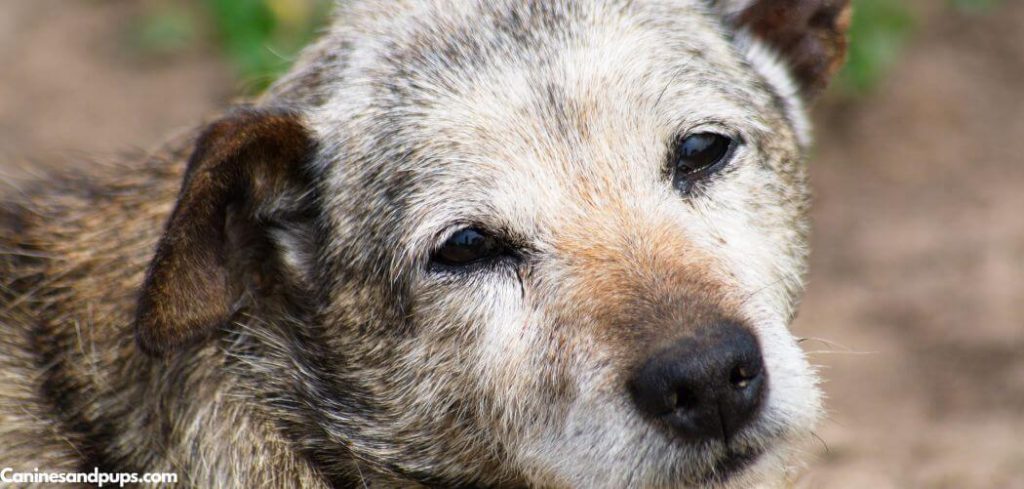
Is It Normal For An Old Dog To Be Jittery?
Occasional mild trembling may occur due to excitement, cold temperature, or temporary stress. However, consistent or unexplained jitteriness is not a normal part of aging.
Senior dogs often become calmer with age. Sudden nervous or shaky behavior usually reflects physical discomfort, cognitive changes, or internal imbalance.
When behavior shifts without clear explanation, it’s important to investigate.
Old Dog Jittery Behavior: Common Causes
Chronic Pain Or Arthritis
Pain is one of the most common but overlooked reasons an old dog becomes jittery. Arthritis, hip dysplasia, spinal degeneration, and dental disease can all cause persistent discomfort.
When dogs are in pain, they may appear restless, shift positions frequently, or tremble.
Unlike obvious limping, chronic pain can manifest as subtle anxiety-like behavior. A dog may seem unable to settle or may flinch when touched.
Pain-related jitteriness often improves significantly with appropriate pain management.
Related: Old Dog Jaw Trembling (Why it happens)
Anxiety and Sensory Decline
Aging often brings changes in hearing and vision. Reduced sensory input can make the world feel unpredictable.
An old dog jittery due to sensory decline may startle easily, bark at shadows, or become anxious in dim lighting.
Additionally, older dogs may develop separation anxiety or noise sensitivity even if they were previously calm.
Changes in routine, new household members, or unfamiliar environments can amplify stress. Creating a stable, predictable environment helps reduce anxiety.
Canine Cognitive Dysfunction
Cognitive Dysfunction Syndrome, often compared to dementia in humans, is common in aging dogs.
As brain function declines, dogs may become disoriented or restless. Jitteriness may present as pacing at night, staring into space, or appearing confused.
Sleep-wake cycles often shift, and anxiety may increase.
If jittery behavior is paired with behavioral changes such as house soiling or altered social interaction, cognitive dysfunction should be considered. Early intervention can slow progression and improve quality of life.
Metabolic Disorders
Hormonal and metabolic imbalances are frequent causes of jitteriness in senior dogs. Low blood sugar, thyroid dysfunction, Cushing’s disease, or electrolyte disturbances can all cause trembling or restlessness.
An old dog jittery due to metabolic imbalance may also show:
Increased thirst
Appetite changes
Weight loss or gain
Lethargy
Blood testing is essential to identify these conditions. Immediate treatment often resolves symptoms.
Neurological Conditions
Neurological disorders can cause tremors, muscle spasms, or abnormal movement patterns.
Seizure disorders, brain tumors, or nerve dysfunction may present as jittery behavior. Unlike simple anxiety, neurological tremors may occur even when the dog is calm.
Episodes may be rhythmic or repetitive. Any sudden onset of tremors in a senior dog requires veterinary evaluation.
Medication Side Effects
Certain medications can cause jitteriness as a side effect. Steroids, stimulant medications, or changes in dosage may lead to restlessness or trembling.
If your dog recently started a new medication, consult your veterinarian. Never adjust dosage without professional guidance.
Temperature Sensitivity
Older dogs are more sensitive to temperature changes. Cold environments may trigger trembling.
Providing warm bedding and maintaining comfortable room temperature can help. However, temperature alone rarely causes persistent jitteriness.
Toxin Exposure
Accidental ingestion of toxic substances can cause shaking and agitation. Although less common in senior dogs, exposure to certain plants, medications, or chemicals can result in tremors.
If jitteriness appears suddenly and is accompanied by vomiting, drooling, or weakness, emergency care is needed.
Related: Old Dog Jaw Shaking When Closing Mouth (What it means)
When Is Jitteriness An Emergency?
Seek immediate veterinary attention if old dog jittery behavior is accompanied by:
Collapse
Seizures
Severe weakness
Pale gums
Labored breathing
Persistent vomiting
These signs may indicate serious systemic illness.
Old Dog Jittery: Diagnosis
Diagnosis begins with a detailed history and physical examination.
Your veterinarian may evaluate:
Joint mobility
Neurological reflexes
Heart and respiratory function
Cognitive responses
Diagnostic testing may include:
Bloodwork to assess organ function
Thyroid testing
Urinalysis
Imaging if neurological disease is suspected
Identifying the root cause allows for targeted treatment.
Related: Old Dog Jaw Chattering After Yawning (Why it happens)
Old Dog Jittery Behavior: Treatment
Treatment depends on the underlying condition:
- Pain-related jitteriness improves with appropriate pain management.
- Anxiety may respond to behavioral therapy and, in some cases, medication.
- Cognitive dysfunction can be managed with specialized diets and medications.
- Metabolic disorders require correction of hormonal or electrolyte imbalances.
- Neurological conditions may require anticonvulsant therapy or advanced care.
Supporting Your Senior Dog At Home
- Provide a quiet, comfortable resting area.
- Maintain consistent feeding and walking schedules.
- Avoid sudden changes in environment.
- Monitor appetite, water intake, and bathroom habits.
- Ensure regular veterinary checkups.
- Use a harness instead of a collar if neck sensitivity is present.
- Never give human medications without veterinary approval.
Can Jitteriness Be Resolved?
In many cases, yes. When caused by pain, anxiety, or metabolic imbalance, appropriate treatment often restores calm behavior.
Chronic neurological conditions may require long-term management but can often be stabilized.
The earlier the issue is identified, the better the prognosis.
Key Takeaway
An old dog jittery presentation is often a signal that something has changed physically or emotionally.
Pain, anxiety, cognitive dysfunction, metabolic imbalance, neurological disease, or medication effects are among the most common causes.
While occasional mild trembling may not be alarming, persistent or unexplained jitteriness should always be evaluated.
Senior dogs are more vulnerable to underlying health conditions, and early detection can make a meaningful difference.
If your aging companion seems unusually restless or shaky, trust your instincts and seek professional guidance. With prompt diagnosis and appropriate care, many causes of jitteriness can be managed effectively, helping your senior dog remain comfortable and secure during their golden years.