
Introducing a new dog into a household can be exciting, but it can also trigger stress and jealousy in a senior dog.
An older dog may react with attention-seeking behaviors, aggression, or withdrawal, which can affect harmony in your home.
We outline the common reasons for an old dog being jealous of a new dog, what you can do, and when to seek veterinary help.
Table of Contents
Old Dog Jealous of New Dog — Why It Happens
An old dog being jealous of a new dog often stems from changes in routine, attention, and household dynamics. Senior dogs may feel displaced when a new dog receives attention, playtime, or resources. In addition, age-related changes in patience, energy, and social behavior can make it harder for them to adapt to new companions.
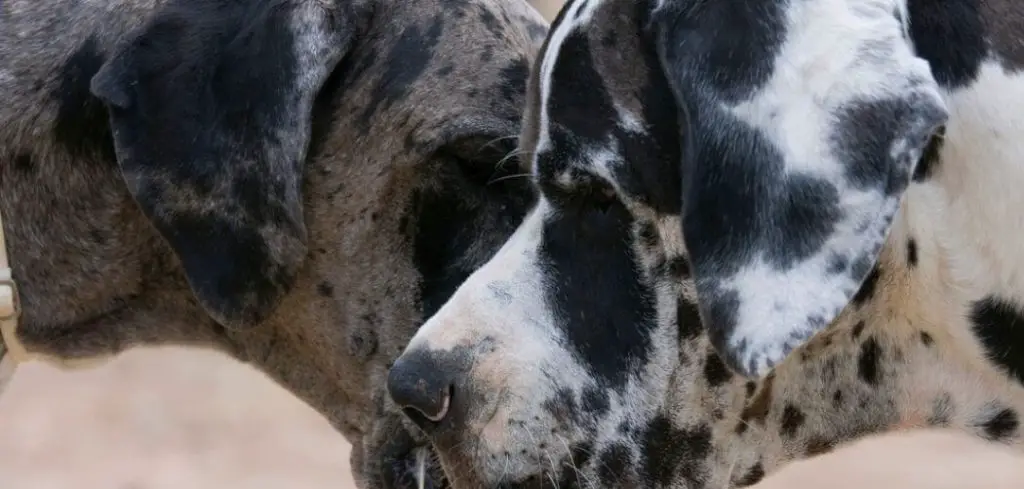
Old Dog Jealous of New Dog: Common Causes
Attention-Seeking Behavior
Older dogs may notice that the new dog receives more attention from their owner.
They may respond by barking, nudging, or even performing unusual behaviors to regain attention.
This can include following you constantly, whining, or attempting to interrupt interactions with the new dog.
Recognizing this as a form of communication rather than bad behavior helps in addressing it effectively.
Read more: Old Dog Growling at New Puppy (Here’s Why)
Territorial Instincts
Dogs are naturally territorial, and older dogs may view their home, bed, or favorite spots as their domain.
A new dog entering the home can trigger possessive or protective behaviors. Signs may include growling, blocking access, or guarding favorite resting places. Understanding territorial instincts allows you to manage space and resources to reduce tension.
Changes in Routine
Older dogs thrive on predictable routines.
The introduction of a new dog can disrupt mealtimes, walking schedules, and sleeping arrangements. Even small changes can cause stress or frustration, leading to behaviors interpreted as jealousy.
Keeping routines as consistent as possible helps the older dog adjust smoothly.
Health-Related Irritability
Physical discomfort from arthritis, dental issues, or vision and hearing decline can make an older dog more sensitive.
Pain or reduced mobility can heighten irritability when sharing attention or space with a younger, more energetic dog.
Signs may include growling, snapping, or sudden withdrawal. Ensuring your senior dog’s comfort with medical support can reduce behavioral tensions.
Anxiety and Insecurity
Older dogs may experience separation anxiety or insecurity when a new dog arrives.
They may feel uncertain about their place in the family, which can lead to clinginess, pacing, or excessive vocalizations.
Providing reassurance, safe spaces, and positive reinforcement helps older dogs regain confidence and security.
Competition for Resources
Food, toys, and sleeping areas can become points of contention.
Jealous behaviors often arise from perceived scarcity or competition. Older dogs may hoard toys, rush to food bowls, or block sleeping areas.
Managing resources carefully and providing separate spaces for feeding and rest can minimize conflict.
Old Dog Jealous of New Dog: What to Do
Gradually introduce the new dog, allowing both pets to become familiar without forcing interaction.
Provide equal attention to your senior dog and acknowledge their need for reassurance and comfort.
Maintain separate feeding areas, beds, and personal spaces to reduce competition.
Engage your older dog in gentle exercise and mental stimulation to reduce boredom and stress.
Use positive reinforcement to reward calm and appropriate behavior, helping your senior dog associate the new dog with positive experiences.
When to Call or Visit Your Vet
Seek professional advice if jealousy behaviors escalate into aggression that could harm either dog.
Veterinary evaluation is important if your older dog shows signs of stress-related illness, such as loss of appetite, vomiting, or excessive weight loss.
Persistent anxiety or sudden behavioral changes warrant consultation with a veterinarian or certified animal behaviorist.
Routine checkups can identify health issues that may exacerbate jealousy behaviors, ensuring your senior dog’s overall well-being.
Read more: Old Dog Just Standing and Staring (Here’s Why)
Key Takeaway
Jealousy in older dogs is a natural response to changes in their environment, attention, or social dynamics. Observing your senior dog’s behavior, maintaining consistent routines, and providing reassurance are essential steps to reduce stress.
Addressing health issues, managing resources, and using positive reinforcement can help your older dog adjust to a new companion peacefully.
With patience, understanding, and professional guidance when needed, both your senior dog and new pet can coexist happily and safely.