
If you’ve noticed your senior dog’s jaw trembling or shaking specifically when they close their mouth, it’s understandable to feel concerned.
Old dog jaw shaking when closing mouth can look subtle at first — a slight quiver after yawning, chewing, or barking — but it may also signal underlying discomfort or neurological changes.
While occasional minor jaw movements can be harmless, repeated or worsening tremors in older dogs should never be dismissed as “just aging.”
Because senior dogs are more prone to dental disease, nerve disorders, and metabolic conditions, identifying the root cause early is important.
What Does Jaw Shaking Look Like?
Jaw shaking in older dogs often appears as:
A brief tremor after closing the mouth.
Teeth chattering after chewing.
Rapid quivering of the lower jaw.
Slight vibration during rest.
Shaking that happens only when the mouth closes.
Some dogs remain alert and normal otherwise. Others may show additional signs such as drooling, difficulty eating, or facial sensitivity.
Understanding when the shaking occurs — during meals, after yawning, or randomly — can provide valuable clues.
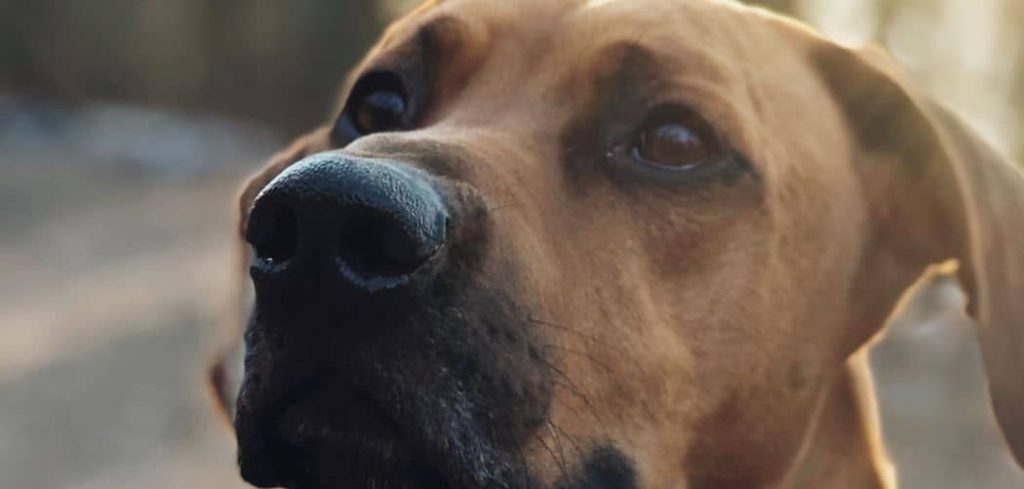
Is Jaw Shaking Normal In Older Dogs?
Aging alone does not typically cause jaw shaking when closing the mouth. While muscle tone may decline slightly with age, persistent tremors usually indicate a specific underlying issue.
Occasional brief quivering in response to cold temperatures or excitement may not be serious. However, if the movement is frequent, worsening, or accompanied by other symptoms, a veterinary evaluation is recommended.
In senior dogs, subtle signs often reflect treatable conditions.
Old Dog Jaw Shaking When Closing Mouth: Common Causes
Dental Disease And Oral Pain
Dental disease is one of the most common causes of old dog jaw shaking when closing mouth. As dogs age, plaque and tartar buildup can lead to gum infection, tooth fractures, abscesses, and periodontal disease.
When a dog closes their mouth, pressure may trigger pain in sensitive teeth or inflamed gums. The resulting discomfort can cause involuntary shaking or trembling.
You may notice additional signs such as bad breath, drooling, pawing at the mouth, difficulty chewing, or favoring one side while eating.
Because dental problems are extremely common in senior dogs, a thorough oral examination is often the first diagnostic step.
Related: Old Dog Jaw Trembling (Causes and what it means)
Temporomandibular Joint Issues
The temporomandibular joint connects the jaw to the skull. Like other joints, it can develop arthritis or inflammation over time.
TMJ discomfort may cause jaw instability or trembling when closing the mouth. Dogs may hesitate before chewing or show sensitivity when their jaw is touched.
Arthritis affecting the jaw joint can progress gradually, especially in senior dogs with other joint issues.
Imaging may be required to confirm TMJ involvement.
Trigeminal Nerve Disorders
The trigeminal nerve controls facial sensation and jaw movement. In rare cases, inflammation or dysfunction of this nerve can cause abnormal jaw movements.
If the nerve is irritated, a dog may exhibit tremors when closing their mouth or show weakness in jaw control.
Neurological causes are less common than dental issues but should be considered if no oral pain is found.
Additional signs may include facial asymmetry or difficulty holding objects in the mouth.
Muscle Weakness Or Age-Related Atrophy
Muscle mass naturally declines with age, including the muscles responsible for jaw movement.
If the temporalis and masseter muscles weaken, slight trembling may occur when the dog closes their mouth after chewing or yawning.
Muscle-related trembling is typically mild and not painful. However, significant muscle loss may indicate nutritional deficiencies or underlying disease.
Maintaining adequate protein intake and overall health supports muscle function.
Seizure Activity (Focal Seizures)
Jaw shaking can sometimes represent a focal seizure. Unlike full-body seizures, focal seizures affect a limited area of the body.
In these cases, the dog may remain conscious while the jaw trembles repetitively.
Focal seizures in senior dogs may be linked to metabolic disorders, toxin exposure, or brain tumors.
If jaw shaking episodes appear repetitive, prolonged, or associated with confusion, immediate veterinary evaluation is necessary.
Gastrointestinal Discomfort
Nausea can cause subtle jaw trembling or chattering. Dogs experiencing stomach upset may lick their lips, drool, or appear reluctant to eat.
If jaw shaking occurs around mealtime and is accompanied by digestive symptoms, gastrointestinal issues may be contributing.
Chronic nausea should be addressed promptly to prevent dehydration and weight loss.
Anxiety
Some dogs exhibit mild jaw trembling during periods of stress or excitement.
Senior dogs may develop increased sensitivity to environmental changes due to hearing or vision decline.
If trembling occurs primarily during stressful events and resolves quickly, anxiety may be the cause.
However, persistent anxiety in senior dogs warrants behavioral support.
Related: Old Dog Jaw Chattering After Yawning (Why it happens)
When Is Jaw Shaking An Emergency?
Seek immediate veterinary care if jaw shaking is accompanied by:
Loss of consciousness
Full-body convulsions
Severe drooling
Difficulty breathing
Sudden weakness
Collapse
These signs may indicate seizure activity or serious neurological disease.
Diagnosis
To determine why your old dog’s jaw shakes when closing mouth, your veterinarian will conduct a comprehensive examination.
They may evaluate:
Teeth and gums for signs of infection
Jaw joint mobility
Neurological reflexes
Muscle tone
Diagnostic testing may include:
Bloodwork to assess metabolic function
Dental X-rays
Advanced imaging if neurological disease is suspected
Old Dog Jaw Shaking When Closing Mouth: Treatment
Veterinary treatment includes:
- Dental disease is often resolved with professional cleaning or tooth extraction.
- TMJ arthritis may respond to anti-inflammatory medication.
- Neurological conditions may require anticonvulsants or specialized therapy.
- Muscle weakness may improve with nutritional support and controlled exercise.
- Addressing gastrointestinal issues often reduces nausea-related trembling.
Early intervention significantly improves outcomes.
Can Jaw Shaking Be Resolved?
In many cases, yes. Dental treatment often eliminates pain-related trembling completely.
Metabolic and neurological conditions can frequently be managed with medication.
Even chronic joint-related causes can often be controlled to improve comfort. The sooner the issue is identified, the better the prognosis.
Key Takeaway
Old dog jaw shaking when closing mouth is usually a sign of dental pain, jaw joint issues, nerve irritation, muscle weakness, nausea, or seizure activity.
While brief occasional trembling may not be alarming, persistent or worsening episodes should always be evaluated by a veterinarian.
Senior dogs are more prone to underlying medical conditions, and early detection makes a significant difference.
If you notice jaw shaking in your aging companion, observe carefully and seek professional guidance. Prompt diagnosis and treatment can restore comfort and protect your dog’s quality of life during their golden years.