
When an old dog starts itching and scratching more than usual, it’s rarely “just a little irritation.” While some causes are mild, others can worsen quickly if ignored, making early recognition critical.
Older dogs experience changes in immunity, skin barrier strength, and internal organ function, all of which can make itching more frequent, intense, or harder to resolve than in younger dogs.
Old Dog Itching And Scratching: Why It Happens
Old dog itching and scratching often happens due to age-related changes in the skin, underlying medical conditions, or environmental factors that become more noticeable as dogs get older. Common causes include dry skin, allergies (food or environmental), parasites like fleas or mites, and skin infections caused by bacteria or yeast.
Senior dogs are also more prone to hormonal disorders such as hypothyroidism or Cushing’s disease, which can affect skin health and lead to persistent itching.
In some cases, chronic conditions like arthritis may make dogs lick or scratch certain areas more due to discomfort.
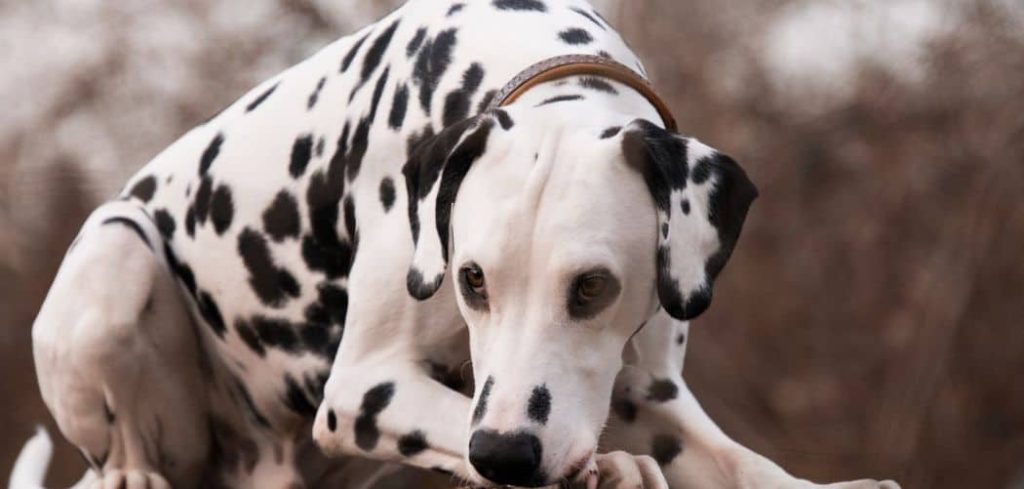
Old Dog Itching And Scratching: Signs
Signs of itching and scratching in an old dog can range from mild, occasional behaviors to more persistent and severe symptoms.
Common signs include frequent scratching, licking, or chewing at the skin, especially around the paws, belly, ears, or base of the tail. You may also notice redness, irritated or inflamed skin, hair loss, scabs, or sores from repeated scratching.
Some dogs develop hot spots (moist, painful skin lesions) or show thickened, darkened skin in chronic cases. Behavioral changes such as restlessness, irritability, or difficulty settling can also occur due to discomfort.
If these signs are ongoing or worsening, it’s important to have your dog evaluated to identify and treat the underlying cause.
Itching And Scratching In Old Dogs: Common Causes
Age Related Dry Skin
As dogs age, their skin naturally produces fewer protective oils. These oils normally help keep the skin flexible, hydrated, and resistant to environmental irritants. In older dogs, reduced oil production leads to dryness, flaking, and micro-cracks in the skin that allow allergens and bacteria to penetrate more easily.
Dry skin itching in senior dogs often worsens during cold weather, after frequent bathing, or when the dog is on a low-fat or nutritionally imbalanced diet.
The itching may appear generalized, with dogs scratching their sides, back, neck, and chest rather than focusing on one specific area.
Because aging skin heals slowly, repeated scratching can quickly lead to redness, scabbing, and secondary infections, even if the original cause was mild dryness.
Related: Old dog vestibular disease (Signs, causes and treatment)
Environmental and Seasonal Allergies
Many dog owners are surprised to learn that allergies can develop later in life. An old dog that never had allergy symptoms before can suddenly become itchy due to pollen, mold, dust mites, or grasses.
Aging immune systems can become dysregulated, leading to exaggerated inflammatory responses to everyday environmental triggers.
Allergy-related itching often affects the paws, ears, face, belly, and armpits. Senior dogs may lick their feet excessively, rub their face on furniture, or scratch their ears repeatedly.
Unlike younger dogs, older dogs may also show delayed healing and chronic flare-ups that last longer and respond poorly to simple treatments.
Seasonal allergies may worsen at specific times of year, while indoor allergens can cause year-round itching.
Food Sensitivities
Food allergies and intolerances do not always appear early in life. In fact, many senior dogs develop food sensitivities after years of eating the same diet.
Changes in gut health, digestion, and immune regulation with age can suddenly make certain proteins or additives problematic.
Food-related itching is often non-seasonal and persistent. Dogs may scratch their ears, chew their paws, lick their belly, or rub their rear.
Gastrointestinal signs such as loose stools, gas, or vomiting may also be present, though itching can occur alone.
Because food allergies cause internal inflammation, symptoms often continue despite flea prevention or environmental changes, making them frustrating for owners to identify without proper dietary trials.
Parasites and Reduced Immune Defense
Fleas, mites, and other parasites can cause intense itching in dogs of any age, but senior dogs are especially vulnerable due to weaker immune defenses. Even a small number of fleas can trigger severe itching in an older dog, particularly if flea allergy dermatitis is present.
Mange mites, including sarcoptic and demodectic mites, are more likely to cause symptoms in older dogs with compromised immune systems.
These infestations can lead to patchy hair loss, thickened skin, redness, and relentless scratching.
Because senior dogs may groom themselves less effectively or spend more time resting, parasites can go unnoticed longer, allowing symptoms to worsen before treatment begins.
Skin Infections
Older dogs are prone to secondary skin infections because their skin barrier is weaker and their immune response slower.
Yeast and bacteria naturally live on the skin, but when conditions allow them to overgrow, intense itching and inflammation follow.
Yeast infections often cause greasy skin, a strong odor, redness, and darkened skin, especially in the ears, paws, armpits, and groin. Bacterial infections may present with pimples, crusts, sores, or oozing lesions.
Senior dogs with underlying allergies, hormonal disorders, or chronic moisture exposure are particularly susceptible, and infections often recur unless the root cause is addressed.
Hormonal Disorders
Hormonal imbalances are a major but often overlooked cause of itching in older dogs. Hypothyroidism can lead to dry, flaky skin, hair thinning, and recurrent infections, all of which cause itching.
Cushing’s disease, on the other hand, weakens the skin and suppresses immune function, increasing the risk of infections and inflammation.
Dogs with hormonal issues may also show additional signs such as weight changes, increased thirst, lethargy, hair loss, or changes in behavior. Itching related to hormonal disease tends to be chronic and progressive rather than sudden.
Because these conditions affect the entire body, topical treatments alone rarely provide lasting relief.
Pain
In some senior dogs, itching-like behaviors are actually linked to pain or discomfort rather than true skin irritation. Dogs with arthritis or nerve pain may scratch, lick, or chew certain areas as a coping behavior.
This is especially common in older dogs with joint disease who focus on one limb, hip, or side of the body.
Over time, repeated licking or scratching can damage the skin and create secondary infections, further reinforcing the behavior.
Pain-related scratching often worsens at night or after activity and may be accompanied by stiffness or reduced mobility.
Cognitive Dysfunction
Senior dogs can develop cognitive dysfunction syndrome, which affects memory, awareness, and behavior. Some dogs respond to confusion or anxiety with repetitive behaviors, including excessive scratching, licking, or chewing.
These behaviors may occur even when no obvious skin problem is present. Over time, self-trauma can create real dermatologic issues that compound the original behavioral cause.
Anxiety-related itching often worsens during quiet periods, at night, or when the dog is left alone.
Related: Old dog circling and pacing (Why it happens)
When To Call Or Visit The Vet
Itching lasts more than a few days or worsens
Hair loss, sores, or bleeding develop
Skin smells bad or appears infected
Your dog seems uncomfortable, restless, or in pain
Scratching interferes with sleep or eating
Other symptoms like weight changes, lethargy, or excessive thirst appear
Prompt veterinary attention can prevent minor skin issues from becoming chronic or painful.
Diagnosis
The veterinarian begins with a thorough physical exam and skin evaluation. Depending on findings, diagnostic steps may include skin scrapings, cytology to check for yeast or bacteria, blood tests to assess hormonal or systemic disease, allergy testing, or elimination diet trials.
Because multiple conditions often coexist in older dogs, diagnosis may take time and require a layered approach.
Treatment for Old Dog Itching and Scratching
Treatment depends on the underlying cause and may involve medicated shampoos, topical therapies, oral medications, dietary changes, parasite prevention, or management of chronic diseases. Senior dogs often require long-term treatment plans rather than short courses of medication.
Supportive care such as omega-3 supplementation, moisturizing skin therapies, and environmental management can significantly improve comfort when used alongside medical treatment.
Key Takeaway
Old dog itching and scratching is not just an annoyance—it’s often a sign that something deeper is happening beneath the skin. Aging changes the way dogs respond to allergens, infections, and internal disease, making itchiness more complex and persistent in senior years.
With careful observation, proper diagnosis, and targeted treatment, most older dogs can find meaningful relief and enjoy a more comfortable, itch-free life well into their golden years.