
When an old dog suddenly develops balance problems, head tilting, or disorientation, it can be alarming and even frightening to watch. Inner ear syndrome, often referred to as vestibular disease, is one of the most common neurologic conditions affecting senior dogs.
While it can look dramatic, the underlying cause is not always life-threatening, though it should never be ignored.
Understanding why it happens and what signs to watch for can help dog owners act quickly and reduce complications.
Table of Contents
What Is Inner Ear Syndrome In Old Dogs?
Inner ear syndrome in old dogs—most commonly referred to as vestibular disease—is a condition that affects the inner ear and balance system, leading to a sudden loss of coordination and orientation. It typically appears in senior dogs and can cause symptoms such as head tilt, loss of balance, stumbling, circling, rapid eye movements (nystagmus), and sometimes nausea or vomiting.
This condition occurs when there is a disruption in the vestibular system, which controls balance and spatial awareness.
Causes can include inner ear infections, inflammation, tumors, trauma, or age-related degeneration (often called “idiopathic vestibular disease,” where no exact cause is found).
Although the symptoms can look severe and alarming, many cases—especially idiopathic ones—improve significantly within a few days to weeks with supportive care.
Although inner ear syndrome is often associated with vestibular disease, the underlying causes can range from localized ear problems to broader neurologic or systemic disorders.
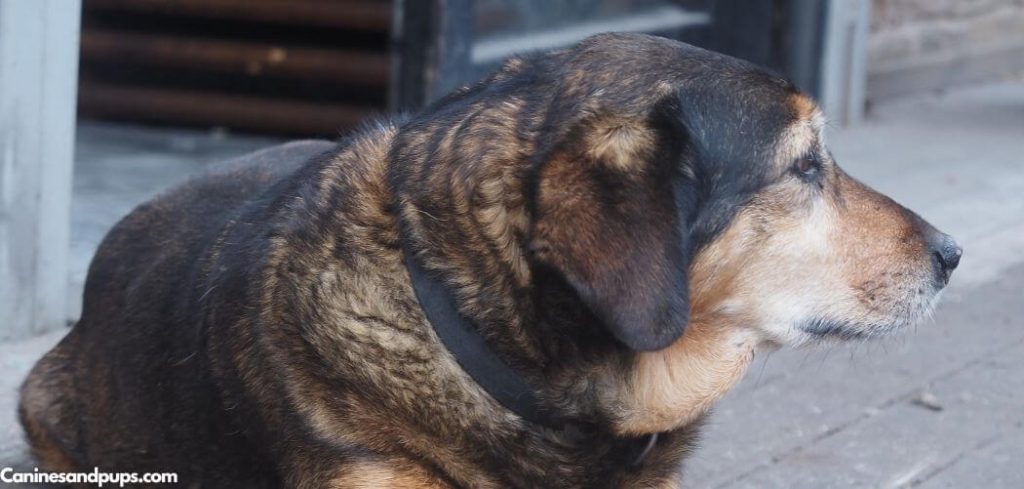
Why Are Older Dogs More Prone To Inner Ear Problems?
As dogs age, the structures of the inner ear become more susceptible to inflammation, infection, and degeneration. Senior dogs also experience reduced immune function, making it harder to fight infections that can spread from the outer or middle ear into the inner ear.
Additionally, older dogs are more likely to develop chronic conditions such as hormonal disorders, tumors, or neurologic disease that can interfere with balance pathways.
These age-related changes make inner ear syndrome more common and more complex in older dogs than in younger ones.
Symptoms Of Inner Ear Syndrome In Old Dogs
Common signs include head tilt, stumbling or falling, circling, rapid eye movements, nausea, vomiting, and difficulty standing. Some dogs appear anxious or confused due to the sudden loss of balance.
Symptoms may develop abruptly or gradually, depending on the cause. In severe cases, dogs may be unable to eat or drink without assistance, increasing the risk of dehydration and secondary complications.
Common Causes Of Inner Ear Syndrome In Old Dogs
Chronic Or Untreated Ear Infections
One of the most common causes of inner ear syndrome in senior dogs is the progression of a long-standing ear infection.
Outer or middle ear infections that are not fully treated can extend deeper into the inner ear, damaging the delicate structures responsible for balance.
Older dogs often have a history of recurring ear problems, especially those with floppy ears, allergies, or narrow ear canals. Over time, repeated inflammation weakens natural defenses and allows bacteria or yeast to migrate inward.
Once the inner ear is affected, symptoms such as head tilt, loss of balance, and abnormal eye movements can appear suddenly.
Because inner ear infections are painful and difficult to clear, they often require aggressive and prolonged treatment in senior dogs.
Related: Old dog having seizures (Causes and treatment)
Idiopathic Vestibular Disease
Idiopathic vestibular disease is a diagnosis given when no specific underlying cause can be identified. This condition is especially common in older dogs and is sometimes called “old dog vestibular syndrome.”
Idiopathic cases typically have a sudden onset, with dogs appearing normal one day and severely disoriented the next.
Despite the dramatic presentation, this form of inner ear syndrome often improves over time with supportive care.
The exact cause remains unknown, but age-related degeneration of vestibular structures or blood supply is suspected. While recovery can take days to weeks, many dogs regain good quality of life, though a mild head tilt may persist.
Inner Ear Inflammation
Inflammation of the inner ear, known as otitis interna, can develop independently or as a complication of middle ear disease. In senior dogs, chronic inflammation may go unnoticed until balance is affected.
Inflammatory conditions can disrupt nerve signaling and fluid balance within the inner ear, leading to vertigo-like symptoms.
Dogs may feel as though the room is spinning, causing nausea, vomiting, and difficulty standing.
Because inflammation often coexists with infection or structural damage, diagnosis and treatment can be challenging, particularly in aging dogs with reduced healing capacity.
Neurologic Disease Affecting Balance Centers
Not all cases of inner ear syndrome originate in the ear itself. In some older dogs, the problem lies within the brainstem or central nervous system.
Conditions such as strokes, inflammatory brain disease, or age-related neurodegeneration can interfere with vestibular pathways.
Central causes of vestibular signs often produce more severe symptoms and may be accompanied by weakness, altered consciousness, or abnormal reflexes.
These cases require immediate veterinary evaluation, as they may indicate serious underlying disease.
Senior dogs are more vulnerable to neurologic events due to changes in blood vessels, metabolism, and overall neurologic resilience.
Tumors In Or Near The Ear Or Brain
Tumors affecting the ear canal, middle ear, inner ear, or nearby brain structures can cause progressive vestibular symptoms in older dogs. These growths may compress nerves or disrupt normal balance signaling over time.
Unlike idiopathic vestibular disease, tumor-related inner ear syndrome often worsens gradually rather than improving. Symptoms may include persistent head tilt, facial nerve paralysis, hearing loss, or pain.
Because cancer risk increases with age, tumors must be considered when symptoms do not resolve or continue to progress despite treatment.
Trauma and Age Related Degeneration
Minor trauma that would not affect a younger dog can sometimes trigger vestibular symptoms in an older dog. Falls, sudden head movements, or even rough grooming may disturb already fragile inner ear structures.
Additionally, natural degeneration of balance mechanisms can occur with aging, leading to intermittent or chronic vestibular signs.
These changes may not cause acute illness but can reduce stability and increase fall risk over time.
Related: Old dog behavior before death (Common signs)
Diagnosis
Diagnosis begins with a thorough physical and neurologic examination. Veterinarians assess eye movements, reflexes, gait, and ear health to determine whether the problem is peripheral or central.
Additional testing may include ear cytology, imaging such as X-rays or advanced scans, blood work, or neurologic evaluation. In older dogs, a comprehensive approach is often necessary to rule out multiple contributing factors.
Treatment for Senior Dogs With Inner Ear Syndrome
Treatment depends on the underlying cause and may include antibiotics, anti-inflammatory medications, anti-nausea drugs, pain control, or supportive care. Dogs with idiopathic vestibular disease often improve with time and symptom management alone.
Supportive care is especially important for senior dogs and may involve assisted feeding, hydration support, and a safe environment to prevent falls.
Old Dog Inner Ear Syndrome Recovery
Many senior dogs recover partially or fully, especially in idiopathic cases. However, recovery may be slower, and some dogs are left with residual head tilt or balance changes.
Dogs with infections, tumors, or neurologic disease have more variable outcomes that depend on early diagnosis and effective treatment.
When To Call Or Visit The Veterinarian
Sudden loss of balance or coordination
Persistent head tilt or circling
Vomiting or inability to eat or drink
Facial weakness or eye abnormalities
Symptoms that worsen or fail to improve
Immediate veterinary care can significantly improve comfort and outcomes.
Key Takeaway
Old dog inner ear syndrome can be overwhelming to witness, but it is not always a life-ending diagnosis. In many cases, especially those related to idiopathic vestibular disease, dogs improve with time and supportive care.
Because senior dogs often have multiple underlying vulnerabilities, early evaluation and targeted treatment are essential.
With patience, proper management, and veterinary guidance, many older dogs regain stability and continue to enjoy their golden years.