
If you’ve noticed your senior dog standing or walking with a rounded, arched spine, you’re right to be concerned. An old dog hunched back posture is often a sign of discomfort, pain, or internal illness. While mild posture changes can sometimes be related to aging muscles, a pronounced or sudden hunch should never be ignored.
Dogs naturally try to hide pain. A hunched back is one of the clearest physical signals that something may be wrong.
We outline why an old dog develops a hunched back, the most common underlying conditions, when to seek emergency care, and how to support your senior dog’s comfort.
What Does A Hunched Back In Old Dogs Mean?
A hunched back typically refers to a posture where the dog’s spine appears rounded upward instead of maintaining a neutral, straight line. This posture is often accompanied by:
Tucked abdomen
Stiff or slow walking
Reluctance to lie down
Tension when touched
Decreased activity
Dogs arch their backs to protect areas of discomfort. The rounding reduces pressure on painful abdominal organs or spinal structures.
In senior dogs, a hunched posture is most commonly linked to pain.
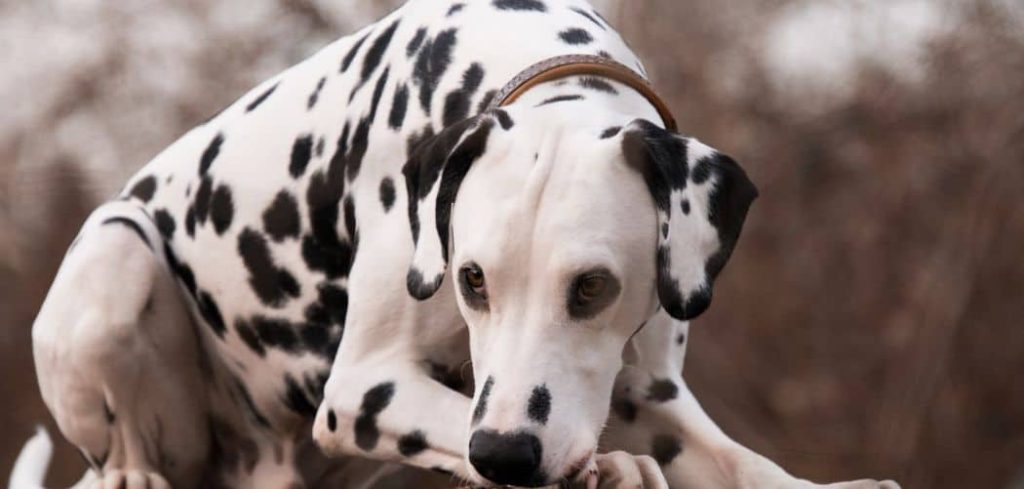
Old Dog Hunched Back: Common Causes
Arthritis And Spinal Degeneration
Arthritis is extremely common in older dogs and can affect the spine as well as the hips and joints. Over time, cartilage between vertebrae wears down, leading to inflammation and stiffness.
When spinal arthritis becomes painful, dogs may arch their backs to minimize movement and reduce pressure on inflamed joints. The hunched posture helps stabilize the spine and limit discomfort.
Senior dogs with spinal arthritis may also show reluctance to jump, climb stairs, or turn quickly. Stiffness is often worse after resting or during cold weather.
Although arthritis is progressive, pain management and physical therapy can significantly improve posture and mobility.
Related: Old Dog Hip Dysplasia (Signs, causes and treatment)
Intervertebral Disc Disease (IVDD)
Intervertebral Disc Disease occurs when the cushioning discs between vertebrae bulge or rupture. This condition can compress the spinal cord and cause significant pain.
An old dog hunched back posture due to IVDD is often sudden and pronounced. Dogs may cry out when moving, appear reluctant to walk, or show weakness in the hind legs.
In severe cases, paralysis may develop. IVDD is considered a medical emergency if neurological signs appear.
Prompt veterinary evaluation is critical, as early treatment improves outcomes.
Abdominal Pain
One of the most important causes of a hunched back in senior dogs is abdominal discomfort. Conditions affecting internal organs can cause a dog to arch their spine to reduce pressure on the abdomen.
Pancreatitis, gastrointestinal obstruction, bloating, or organ inflammation can all trigger this posture.
Dogs with abdominal pain often show additional signs such as vomiting, diarrhea, loss of appetite, restlessness, or tenderness when touched.
A hunched back combined with a tense abdomen is a strong indicator of internal discomfort and requires immediate veterinary attention.
Kidney Or Urinary Issues
Kidney infections, bladder stones, or urinary tract infections can cause lower abdominal pain that leads to a hunched posture.
Older dogs are particularly susceptible to kidney disease. In addition to a rounded back, you may notice increased thirst, frequent urination, or accidents in the house.
Because kidney problems can progress quietly, blood testing is often necessary for diagnosis.
Muscle Strain Or Injury
Senior dogs are more prone to muscle strains due to decreased flexibility and slower tissue repair. A simple misstep or overexertion can cause back muscle soreness.
Muscle-related hunching is often mild and may improve with rest. However, persistent or worsening pain should not be dismissed as a simple strain without veterinary evaluation.
Neurological Conditions
Certain neurological disorders can alter posture and cause spinal curvature. Degenerative myelopathy, spinal tumors, or nerve compression may contribute to abnormal positioning.
Neurological causes often include additional symptoms such as wobbliness, dragging paws, or loss of coordination.
If you notice weakness alongside a hunched back, prompt evaluation is essential.
Gastrointestinal Disorders
Chronic digestive issues such as inflammatory bowel disease or ulcers can cause abdominal discomfort that leads to a hunched appearance.
Dogs may also show nausea, drooling, reduced appetite, or changes in stool consistency.
Because senior dogs are more prone to gastrointestinal disease, these signs should be investigated promptly.
When Is An Old Dog Hunched Back An Emergency?
Seek immediate veterinary care if the hunched posture is accompanied by:
Severe abdominal swelling
Persistent vomiting
Collapse
Inability to walk
Crying out in pain
Pale gums
Difficulty breathing
These symptoms may indicate life-threatening conditions such as bloat or severe spinal injury.
Related: Old dog hip problems (Understanding the causes)
Old Dog Hunched Back: Diagnosis
To determine why your old dog has a hunched back, your veterinarian will perform a thorough physical examination.
They may evaluate:
Spine flexibility
Abdominal tenderness
Neurological reflexes
Joint mobility
Diagnostic tests may include:
Bloodwork to assess organ function
X-rays to examine the spine and abdomen
Ultrasound for internal organ evaluation
Advanced imaging if spinal disease is suspected
Accurate diagnosis guides appropriate treatment.
Old Dog Hunched Back: Treatment
Treatment depends on the underlying cause. Arthritis and spinal degeneration are often managed with anti-inflammatory medications, joint supplements, and physical therapy.
IVDD may require strict rest, medication, or surgical intervention. Abdominal conditions such as pancreatitis require hospitalization and supportive care.
Kidney or urinary issues are treated based on severity and may involve antibiotics or dietary changes.
Muscle strains often respond to rest and pain management. Early intervention significantly improves recovery and comfort.
Related: Dog losing hair in patches on back (Here’s why)
Supporting Your Senior Dog At Home
While awaiting diagnosis or during treatment, providing comfort at home is important.
Offer soft, supportive bedding to reduce pressure on joints. Avoid stairs and high-impact activities. Use non-slip rugs to prevent slipping.
Keep your dog warm, as cold temperatures can worsen stiffness. Monitor appetite, hydration, and bathroom habits closely. Never administer human pain medications, as many are toxic to dogs.
Can A Hunched Back Be Part Of Normal Aging?
Mild posture changes can occur as muscles weaken with age. However, a pronounced or persistent hunched back is rarely just “old age.”
Pain is the most common cause, and pain should always be addressed. If your dog’s posture has changed noticeably, veterinary evaluation is warranted.
Key Takeaway
An old dog hunched back posture is usually a sign of discomfort rather than simple aging. Arthritis, spinal disease, abdominal pain, kidney issues, muscle strain, and neurological conditions are among the most common causes.
Because senior dogs are more vulnerable to serious illness, prompt veterinary assessment is essential when posture changes occur.
With accurate diagnosis and proper treatment, many dogs regain comfort and improved posture.
Paying attention to subtle physical changes allows you to intervene early and protect your dog’s quality of life. A hunched back is your dog’s way of communicating that something is wrong — listening closely can make all the difference in their golden years.