
If you’ve noticed your senior dog huffing through their mouth — breathing heavier than usual, exhaling forcefully, or keeping their mouth open even at rest — it can be unsettling. While mild panting is normal in dogs, persistent or unusual mouth breathing in older dogs often signals an underlying issue.
Old dog huffing through mouth behavior can be related to pain, respiratory problems, heart disease, anxiety, or even temperature regulation issues. Because senior dogs are more vulnerable to chronic conditions, any change in breathing patterns should be taken seriously.
Table of Contents
What Does Huffing Through The Mouth Mean?
Dogs naturally breathe through their noses at rest. Panting — breathing through the mouth with the tongue out — is a normal way for dogs to regulate body temperature.
However, there is a difference between normal panting and abnormal huffing. Huffing often appears as:
Heavy or forceful exhalation
Rapid breathing without obvious heat or exercise
Open-mouth breathing at rest
Audible breathing sounds
Restlessness while breathing
In older dogs, persistent mouth breathing may indicate stress on the respiratory or cardiovascular system.
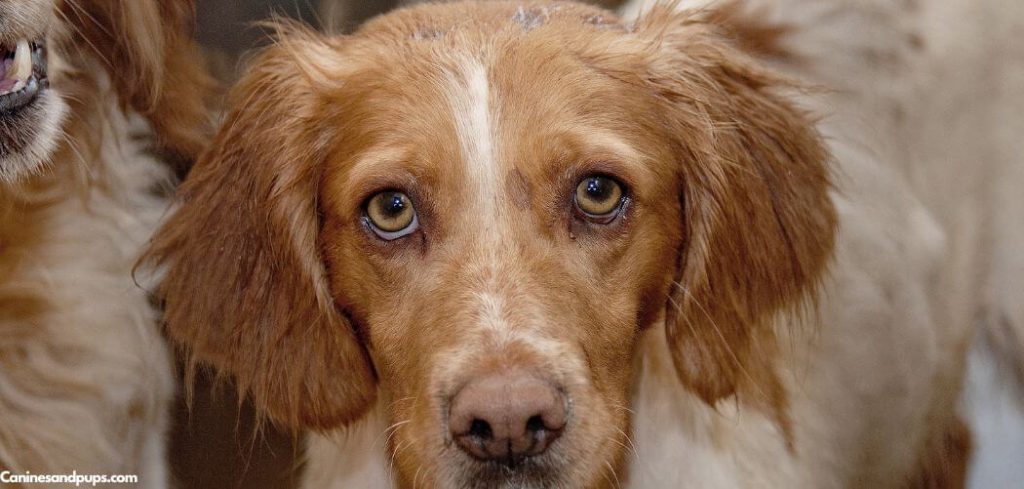
Old Dog Huffing Through Mouth: Common Causes
Pain Or Discomfort
Pain is one of the most overlooked causes of abnormal breathing in older dogs. When a dog experiences pain — whether from arthritis, abdominal discomfort, or internal illness — their breathing may become faster or more forceful.
An old dog huffing through mouth while resting may be attempting to cope with discomfort. Pain increases heart rate and respiratory rate, even if the dog appears otherwise calm.
You may also notice stiffness, reluctance to move, or sensitivity when touched. Addressing the underlying pain often restores normal breathing patterns.
Related: Old Dog Honking Cough (Causes and treatment)
Heat Or Temperature Sensitivity
Senior dogs are more sensitive to heat because their ability to regulate body temperature declines with age. Even mild warmth may trigger excessive panting or huffing.
If your dog is huffing through their mouth in a warm room, ensure proper ventilation and access to cool water.
However, if mouth breathing persists in a cool environment, another cause is likely.
Heart Disease
Heart disease is a common cause of abnormal breathing in older dogs. When the heart cannot pump effectively, fluid may accumulate in the lungs, making breathing more difficult.
An old dog huffing through mouth due to heart disease may also show:
Rapid breathing at rest
Coughing
Exercise intolerance
Fatigue
Pale or bluish gums
Mitral valve disease and congestive heart failure are especially common in small senior dogs.
If breathing appears labored or persistent, veterinary evaluation is essential.
Chronic Respiratory Disease
Conditions such as chronic bronchitis or airway inflammation can cause increased respiratory effort. In these cases, dogs may breathe through their mouths more frequently due to airway irritation.
Older dogs are more prone to chronic respiratory conditions. You may hear wheezing or coughing along with mouth breathing.
Inflammatory airway disease typically requires long-term management to reduce symptoms.
Tracheal Collapse
Tracheal collapse is a common condition in small senior dogs. Weakening of the cartilage rings in the trachea causes the airway to narrow during breathing.
When airflow becomes restricted, dogs may huff or pant excessively to compensate.
Episodes are often triggered by excitement, exercise, or pressure from a collar.
Switching to a harness and managing weight can help reduce strain on the airway.
Stress
Senior dogs can develop new anxieties as their senses decline. Hearing loss, vision impairment, or cognitive changes may increase stress levels.
An anxious dog may breathe more rapidly or huff through the mouth, especially when left alone or exposed to unfamiliar situations.
If huffing occurs primarily during stressful events and resolves afterward, anxiety may be the cause.
Cognitive Dysfunction Syndrome
Cognitive dysfunction, similar to dementia in humans, can alter breathing patterns indirectly. Confused or disoriented dogs may pace and pant without clear physical cause.
If your old dog is huffing through mouth alongside nighttime restlessness, confusion, or altered behavior, cognitive decline may be contributing. Veterinary guidance can help manage symptoms.
Obesity
Excess weight places additional strain on the heart and lungs. Overweight senior dogs may breathe more heavily, especially during mild activity.
Even small increases in body weight can impact respiratory efficiency.
Weight management is an important part of improving breathing comfort.
Dental Or Oral Pain
Severe dental disease can cause mouth breathing. If nasal passages are uncomfortable or painful, a dog may prefer breathing through the mouth.
Look for drooling, bad breath, or difficulty chewing as additional clues. Dental treatment often improves comfort significantly.
Related: Old Dog Making Weird Breathing Noises (What it means)
When Is Huffing An Emergency?
Seek immediate veterinary care if mouth breathing is accompanied by:
Blue or pale gums
Collapse
Extreme lethargy
Persistent coughing
Sudden weakness
Labored or noisy breathing
Rapid or shallow breathing at rest can indicate serious cardiac or respiratory distress.
Old Dog Huffing Through Mouth: Diagnosis
If your old dog is huffing through mouth persistently, your veterinarian will perform a comprehensive examination.
Diagnostic tests may include:
Listening to heart and lung sounds
Measuring respiratory rate
Chest X-rays
Bloodwork to assess organ function
Echocardiogram if heart disease is suspected
Identifying the root cause is essential for effective treatment.
Related: Dog coughing white foamy mucus (What it means)
Old Dog Huffing Through Mouth: Treatment
Treatment depends on the underlying condition. Pain-related breathing changes improve with appropriate pain management.
Heart disease requires medications to support cardiac function and reduce fluid buildup.
Respiratory conditions are managed with anti-inflammatory drugs or bronchodilators. Anxiety may be addressed with behavior modification or medication.
Weight loss can reduce strain on both heart and lungs. Early intervention often leads to significant improvement.
How To Monitor Breathing At Home
Monitoring resting respiratory rate is helpful. Count breaths per minute while your dog is asleep. Normal resting rates are typically under 30 breaths per minute.
Consistently elevated rates should be reported to your veterinarian.
Keep a journal of when huffing occurs, including environmental conditions and activity levels.
Supporting Your Senior Dog
- Maintain a comfortable room temperature and ensure fresh air circulation.
- Provide soft bedding to reduce joint discomfort.
- Avoid strenuous activity if breathing seems labored.
- Use a harness instead of a collar to prevent airway pressure.
- Regular veterinary checkups are essential for early detection of age-related disease.
Key Takeaway
Old dog huffing through mouth behavior may be harmless in some cases, but it often signals discomfort, respiratory disease, heart problems, anxiety, or pain in senior dogs.
Because aging increases vulnerability to chronic conditions, persistent or unusual mouth breathing should never be dismissed.
Careful observation, prompt veterinary evaluation, and targeted treatment can significantly improve comfort and quality of life.
If you notice changes in your senior dog’s breathing, trust your instincts. Early action can make a meaningful difference in protecting their health and ensuring their golden years remain comfortable and secure.