
If your old dog has developed horrible breath, it’s more than just unpleasant it can be a sign of underlying health problems that shouldn’t be ignored.
Mild “dog breath” is normal, but a sudden or strong foul odor often points to issues in the mouth or even deeper inside the body.
Old Dog Horrible Breath: Why It Happens
When an old dog has horrible breath, it’s most commonly caused by dental disease, but it can also signal infections or internal health issues.
Over time, plaque and tartar buildup lead to gum inflammation and bacterial growth, which produce strong odors.
In some cases, problems like kidney disease, diabetes, or digestive issues can also change the smell of your dog’s breath.
An old dog’s horrible breath is often a warning sign that something deeper needs attention, not just a cosmetic issue.
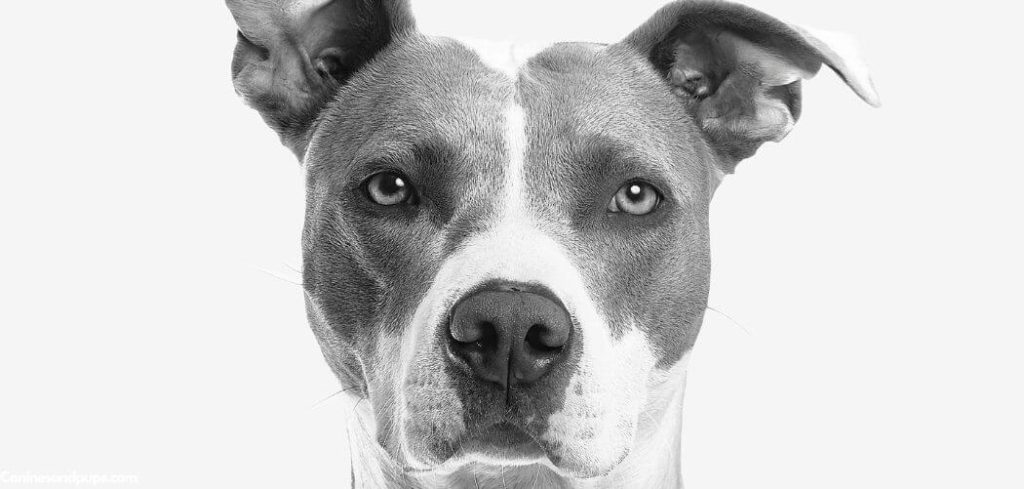
Old Dog Horrible Breath: Symptoms
If your old dog has horrible breath, you may notice other signs alongside the odor:
Strong, foul smell from the mouth
Yellow or brown tartar buildup on teeth
Red, swollen, or bleeding gums
Difficulty chewing or dropping food
Excessive drooling
Pawing at the mouth or face
Reduced appetite or reluctance to eat
Weight loss
Vomiting or increased thirst (in systemic cases)
Old Dog Horrible Breath: Common Causes
Dental Disease (Periodontal Disease)
Dental disease is the leading cause of horrible breath in older dogs. As plaque hardens into tartar, it creates a breeding ground for bacteria along the gumline.
These bacteria release foul-smelling compounds and cause inflammation, leading to gingivitis and eventually periodontal disease. Over time, this can result in loose teeth, infections, and significant pain.
Without treatment, the infection can even spread beyond the mouth to other parts of the body.
Read more: Old Dog Bad Teeth (Causes explained)
Tooth Decay or Abscesses
A decaying tooth or abscess can produce an extremely strong, often rotten smell. These infections occur when bacteria penetrate deep into the tooth or surrounding tissue.
Your old dog may have difficulty eating, show sensitivity on one side of the mouth, or avoid hard food altogether.
Abscesses are painful and can worsen quickly, sometimes causing swelling in the face or jaw.
Read more: Old Dog Losing Teeth (Signs of mouth problems)
Kidney Disease
Kidney disease is common in older dogs and can cause a distinct ammonia-like or “urine” smell on the breath.
When the kidneys are not functioning properly, waste products build up in the bloodstream and are released through the breath.
This condition is often accompanied by increased thirst, frequent urination, and lethargy.
Diabetes
Dogs with diabetes may develop a sweet or fruity odor on their breath. This happens when the body starts breaking down fat for energy, producing ketones.
In more serious cases, this can lead to diabetic ketoacidosis, a life-threatening condition that requires immediate veterinary care.
Other signs often include increased thirst, weight loss, and changes in appetite.
Oral Tumors
Tumors in the mouth can lead to tissue breakdown and infection, resulting in a very strong, unpleasant odor.
These growths may not always be visible at first but can cause bleeding, drooling, or difficulty eating.
Oral tumors are more common in older dogs and should always be evaluated promptly.
Digestive Issues
Sometimes, bad breath originates from the digestive system rather than the mouth. Conditions like reflux, infections, or gastrointestinal imbalances can cause unpleasant odors.
If your old dog’s horrible breath is paired with vomiting or changes in stool, the issue may be internal rather than dental.
This type of breath odor may come and go depending on digestion.
Foreign Objects or Infections
Occasionally, something stuck in your dog’s mouth—like a piece of bone, food, or debris—can lead to localized infection and bad breath.
These infections can quickly worsen if bacteria multiply in the affected area.
You may notice pawing at the mouth or sudden onset of odor.
Old Dog Horrible Breath: What to Do
If your old dog has horrible breath, start by gently checking their mouth if they allow it. Look for obvious signs like tartar buildup, red gums, or anything unusual stuck between the teeth.
Improving oral hygiene at home can make a big difference. Brushing your dog’s teeth regularly with a dog-safe toothpaste helps reduce plaque and bacteria over time.
Providing dental chews or toys designed to support oral health can also help keep teeth cleaner, though they should not replace brushing.
Make sure your dog has access to fresh water at all times, as hydration supports overall health and can help reduce bacterial buildup in the mouth.
If the smell is persistent or worsening, avoid delaying veterinary care. Bad breath is often a symptom of a deeper issue that needs proper diagnosis and treatment.
When to Call or Visit Your Vet
If your old dog’s horrible breath is accompanied by bleeding gums, loose teeth, or visible pain, it’s important to schedule a veterinary visit as soon as possible. These signs often indicate advanced dental disease.
Seek immediate attention if the breath has a strong ammonia or fruity smell, especially if paired with increased thirst, lethargy, or vomiting. These symptoms may point to kidney disease or diabetes.
You should also contact your vet if your dog is refusing food, losing weight, or showing swelling around the face or jaw. These can be signs of infection or tumors.
Persistent bad breath that does not improve with basic dental care always warrants professional evaluation.
Old Dog Horrible Breath: Treatment
Treatment for an old dog with horrible breath depends on the cause. For dental disease, your veterinarian may recommend a professional dental cleaning under anesthesia, along with tooth extractions if necessary.
Infections such as abscesses are typically treated with antibiotics and pain management, and in some cases, surgical intervention.
If an underlying condition like kidney disease or diabetes is diagnosed, treatment will focus on managing that illness through medication, diet changes, and ongoing monitoring.
For oral tumors, your vet may recommend biopsy, surgery, or additional treatments depending on the severity.
Routine dental care and regular veterinary checkups are key to preventing recurrence.
Key Takeaway
Horrible breath in an old dog is more than just a nuisance—it’s often a sign that something isn’t right.
Whether it’s dental disease or a deeper health issue, early attention can make a significant difference in your dog’s comfort and overall well-being.
By staying proactive with dental care and seeking veterinary guidance when needed, you can help your dog stay healthier, happier, and more comfortable in their senior years.