
When an old dog’s hips start “going out,” it can feel sudden and frightening for owners, especially if mobility changes seem to happen overnight.
Difficulty standing, slipping, or collapsing in the hind end is often a sign of progressive joint or neurological problems that become more common with age.
Old Dog Hips Going Out: Why It Happens
An old dog’s hips go out most often because age-related joint degeneration, muscle loss, or nerve problems reduce stability and strength in the back end.
Conditions such as arthritis, hip dysplasia, spinal disease, and muscle wasting gradually weaken the structures that support the hips.
In senior dogs, even small changes can suddenly become noticeable because the body has less ability to compensate. Pain, inflammation, and nerve compression all contribute to slipping, collapsing, or an inability to rise.
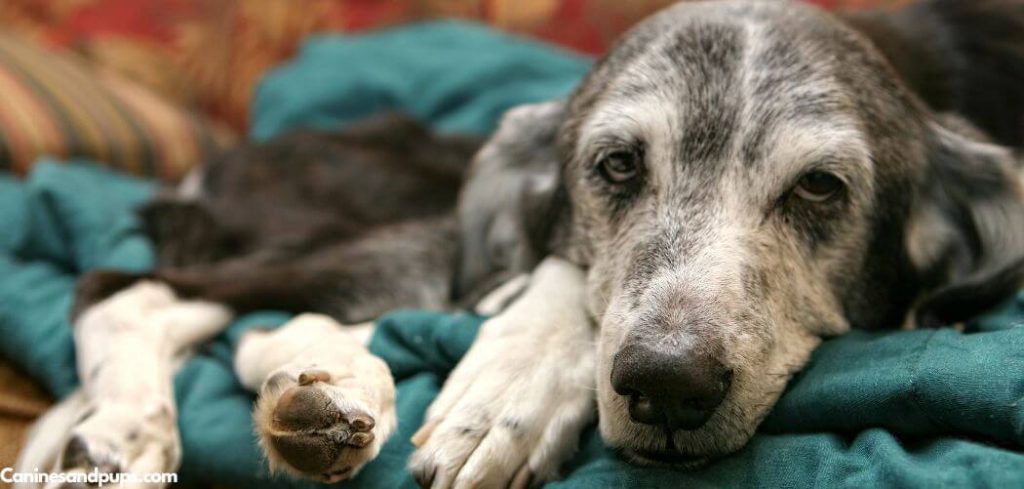
Old Dog Hips Going Out: Symptoms
If your old dog’s hips are going out, you may notice:
- Difficulty standing up or lying down
- Wobbling or swaying in the back legs
- Slipping on smooth surfaces
- Dragging back feet
- Reluctance to climb stairs or jump
- Stiffness, especially after rest
- Falling or collapsing in the hind legs
- Reduced activity or reluctance to walk
Old Dog Hips Going Out: Common Causes
Osteoarthritis
Osteoarthritis is the most common reason old dogs lose hip stability. Over time, cartilage within the hip joint wears down, leading to inflammation, pain, and reduced range of motion.
As arthritis progresses, dogs compensate by shifting weight forward, which weakens the muscles that support the hips.
Eventually, this imbalance can cause the hips to give out unexpectedly, especially on slippery floors or when rising.
Hip ysDplasia
Hip dysplasia doesn’t only affect young dogs. Many senior dogs develop worsening symptoms as years of joint wear compound an already abnormal hip structure.
As the joint becomes looser and more arthritic, stability decreases.
Dogs may suddenly show weakness or collapse even if they seemed to manage well earlier in life. Pain and muscle loss accelerate the decline.
Related: Old Dog Hip Dysplasia (Signs, causes and treatment)
Muscle Wasting
Senior dogs naturally lose muscle mass, particularly in the hind end. When hip and thigh muscles weaken, they can no longer stabilize the joints effectively.
This muscle loss often happens gradually but becomes obvious when the dog slips, struggles to rise, or can’t support their weight. Reduced activity due to pain or illness worsens the cycle of weakness.
Degenerative Spinal Disease
Spinal conditions such as degenerative disc disease or lumbosacral stenosis can interfere with nerve signals to the hind legs. When nerves are compressed, muscles may not respond properly.
Dogs with spinal involvement may show dragging toes, knuckling, or sudden hind-end collapse. Hip instability in these cases is neurological rather than purely joint-related and often worsens over time.
Related: Old Dog Has Arched Back (Causes and treatment)
Pain-Related Guarding
Severe pain from joints, ligaments, or soft tissue injuries can cause a dog to shift weight suddenly. When an old dog avoids using a painful hip, the other side may fail to support them.
This leads to slipping or falling that looks like the hips “going out.” Pain-related instability is often worse after rest or during cold weather.
Underlying Medical Conditions
Systemic illnesses such as kidney disease, endocrine disorders, or chronic inflammation can weaken muscles and reduce coordination. These conditions don’t directly affect the hips but make stability harder to maintain.
Dogs may appear generally weaker, tire easily, and have episodes where the hips fail during normal movement.
What to Do
Make your home environment safer by providing non-slip rugs, supportive bedding, and easy access to favorite areas. Reducing slipping can significantly improve confidence and mobility.
Help your dog rise slowly and avoid forcing movement. Support harnesses or slings can relieve strain on weak hips and prevent falls.
Maintain a healthy weight, as excess pounds place additional stress on already compromised joints. Even small weight reductions can improve stability.
Keep activity gentle and consistent. Short, controlled walks help maintain muscle without overloading painful joints.
Schedule a veterinary evaluation to determine the underlying cause. Proper diagnosis allows for targeted pain control, physical therapy, or supportive treatments.
When to Call or Visit Your Vet
Contact your veterinarian if your dog suddenly cannot stand or repeatedly collapses in the hind end. Sudden loss of mobility can indicate spinal injury or severe pain.
Seek prompt care if hip instability is accompanied by crying, aggression when touched, or signs of neurological dysfunction such as dragging legs or loss of bladder control.
A vet visit is also necessary if weakness worsens quickly, interferes with daily activities, or fails to improve with home adjustments.
Any rapid change in mobility in an old dog should be evaluated to prevent further injury and discomfort.
Old Dog Hips Going Out: Treatment
Treatment focuses on improving mobility and reducing pain. Your vet may prescribe anti-inflammatory medications and pain relief to manage discomfort associated with arthritis or joint degeneration.
Joint-support supplements, weight management, and controlled exercise are commonly recommended to reduce strain on the hips. In some cases, physical therapy or rehabilitation exercises may help strengthen muscles and improve stability.
At home, supportive care—such as orthopedic bedding, ramps, and non-slip flooring—can make a significant difference in your dog’s comfort and quality of life.
Key Takeaway
When an old dog’s hips start going out, it’s usually a sign of underlying joint, muscle, or nerve decline rather than a simple slip or stumble. Aging bodies lose strength and stability, making previously manageable conditions suddenly visible.
Early veterinary support, environmental changes, and pain management can greatly improve comfort and mobility.
If your senior dog shows signs of hip instability, addressing the issue promptly helps preserve quality of life and prevent injury.