
If your senior dog is moving more slowly, hesitating before standing, or struggling with stairs, their hips may be the root of the problem. Old dog hips are especially vulnerable to wear and tear because the hip joint carries much of your dog’s body weight throughout their life.
While some stiffness is a natural part of aging, persistent hip discomfort is not something you should ignore. Many hip conditions in older dogs are manageable with early intervention, proper treatment, and supportive care at home.
We outline why old dog hips commonly develop problems, what conditions are most responsible, how symptoms progress, and what you can do to keep your senior companion comfortable.
Why Hip Problems Are So Common In Senior Dogs?
The hip joint is a ball-and-socket structure that allows smooth movement of the hind legs. Over time, repeated motion, jumping, running, and even simple daily walking create stress on the joint surfaces.
In younger dogs, cartilage cushions the joint and strong muscles stabilize the hips. As dogs age, cartilage thins, joint fluid decreases, and muscle mass naturally declines. These changes reduce shock absorption and increase friction inside the joint.
Old dog hips often become stiff and painful not because of a sudden injury, but because of cumulative wear over many years.
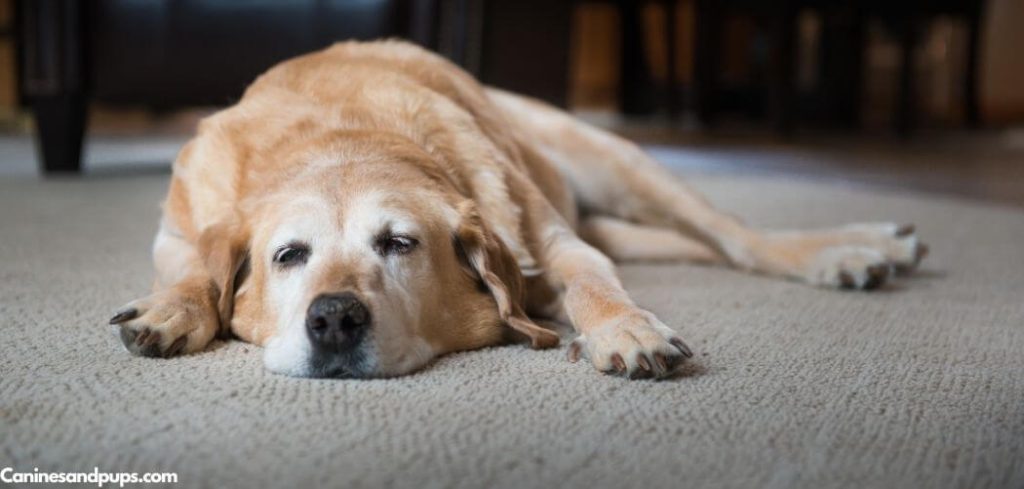
Signs Of Hip Problems In Senior Dogs
Recognizing early signs of discomfort allows for timely intervention. Common symptoms related to old dog hips include:
Difficulty rising from lying down
Reluctance to climb stairs
Hesitation before jumping into a car
Slower walking pace
Limping or favoring one hind leg
Bunny-hopping gait
Reduced interest in play
Muscle loss in the hindquarters
Behavioral changes may also occur. Dogs in pain may become irritable or withdraw from interaction.
Subtle signs often appear before obvious lameness, so careful observation is important.
Old Dog Hip Problems: Common Causes
Muscle Loss With Aging
Aging naturally leads to sarcopenia, or muscle loss. The hindquarters are particularly vulnerable. Strong muscles play a critical role in stabilizing old dog hips and absorbing shock during movement.
When muscle mass declines, the joint bears more direct pressure. This increases strain and accelerates degenerative changes.
Dogs who become less active due to mild pain may experience further muscle weakening, creating a cycle that worsens hip problems.
Maintaining safe, controlled exercise helps slow muscle loss and support joint stability.
Osteoarthritis
Osteoarthritis is the most common cause of problems affecting old dog hips. This degenerative joint disease develops when cartilage breaks down and loses its smooth, protective surface.
As cartilage erodes, bones begin to rub against each other. This friction triggers inflammation, thickening of the joint capsule, and formation of bone spurs. Over time, flexibility decreases and movement becomes painful.
Dogs with osteoarthritis often appear stiff after lying down. They may take several slow steps before loosening up.
Cold or damp weather can intensify discomfort. Arthritis progresses gradually, but with proper management, many dogs maintain good mobility for years.
Hip Dysplasia
Hip dysplasia is a structural abnormality in which the ball and socket of the hip do not fit together properly. This condition often has a genetic basis and is common in large and giant breeds.
When the joint is loose, abnormal motion leads to premature cartilage wear. Many dogs compensate well in early life due to strong muscles supporting the joint. However, as they age and muscle mass declines, instability worsens.
In senior dogs, hip dysplasia frequently presents as advanced arthritis. Pain, reduced range of motion, and muscle wasting in the hind legs are common signs.
Related: Old Dog Hip Dysplasia (Signs, causes and treatment)
Obesity and Excess Weight
Excess body weight significantly worsens problems in old dog hips. Even a few extra pounds increase pressure on already stressed joints.
Fat tissue also produces inflammatory compounds that contribute to joint inflammation. Over time, obesity accelerates cartilage breakdown and intensifies discomfort.
Weight management is one of the most powerful tools for protecting aging hips.
Previous Injuries
Old injuries can resurface later in life. A prior ligament tear, fracture, or joint trauma may predispose the hip to early arthritis.
As dogs age and tissue repair slows, these previously injured areas may become painful again. Scar tissue and subtle joint misalignment can contribute to chronic discomfort.
Even if the injury seemed resolved years earlier, it may play a role in current hip issues.
Related: Old Dog Hip Pain (Signs, causes and treatment)
Diagnosis of Hip Issues
Diagnosis typically begins with a thorough physical examination. Your veterinarian will assess joint flexibility, muscle mass, and pain response.
X-rays are commonly used to evaluate joint structure and detect arthritis or hip dysplasia. Imaging reveals bone changes, narrowing of joint spaces, and the presence of bone spurs.
In some cases, additional testing may be recommended to rule out spinal problems or neurological conditions that can mimic hip pain.
Accurate diagnosis ensures the most effective treatment plan.
Treatment for Old Dog Hips
While hip degeneration cannot be reversed, symptoms can often be managed successfully.
Pain Management
Nonsteroidal anti-inflammatory drugs are commonly prescribed to reduce inflammation and improve comfort. When monitored carefully, these medications can significantly enhance mobility.
Other medications may be added depending on severity and underlying causes.
Joint Supplements
Supplements containing glucosamine, chondroitin, and omega-3 fatty acids may help support cartilage health and reduce inflammation. While results vary, consistent use can benefit some dogs.
Starting supplements early in the disease process often yields better outcomes.
Physical Therapy and Exercise
Gentle, regular exercise helps maintain muscle strength and joint flexibility. Short walks are typically better than long, strenuous outings.
Hydrotherapy is particularly beneficial because water supports body weight while encouraging muscle activity.
Physical therapy programs can be customized to address specific mobility challenges.
Weight Management
Maintaining a healthy weight reduces strain on old dog hips. If your dog is overweight, a veterinarian-guided weight loss plan can significantly improve comfort.
Even small reductions in body weight can lead to noticeable improvements in mobility.
Home Modifications
Simple home adjustments can make daily life easier. Provide orthopedic bedding to cushion joints. Use non-slip rugs to prevent slipping on smooth floors. Install ramps to reduce the need for stairs.
Assistive harnesses can help support the hindquarters during walks or when standing up.
Can Surgery Help?
In severe cases, surgical intervention such as total hip replacement may be considered. However, surgery in senior dogs requires careful evaluation of overall health and recovery potential.
Many older dogs achieve satisfactory comfort with conservative management alone.
Monitoring Quality Of Life
As hip problems progress, monitoring your dog’s quality of life becomes essential. Signs that discomfort may be difficult to manage include:
Persistent pain despite medication
Inability to stand without assistance
Loss of appetite
Withdrawal from interaction
Regular veterinary checkups allow for timely adjustments in treatment plans.
Key Takeaway
Old dog hips are particularly susceptible to arthritis, hip dysplasia, muscle loss, and cumulative wear. While these changes are common with aging, they are not untreatable.
With early recognition, consistent veterinary care, weight management, and supportive home modifications, many senior dogs maintain comfortable and fulfilling lives.
If you notice changes in your dog’s mobility, do not assume it is simply “old age.” Addressing hip issues early can significantly slow progression and improve quality of life.
Your senior companion may move a little slower, but with thoughtful care, their golden years can still be active, comfortable, and full of companionship.