
If your senior dog is slowing down, struggling to stand, or avoiding stairs, hip pain may be the underlying cause. Old dog hip dysplasia is a common condition that can significantly affect mobility and quality of life in aging dogs.
While hip dysplasia often begins in puppyhood, many dogs do not show serious symptoms until they reach their senior years.
Understanding how hip dysplasia progresses in older dogs, what signs to watch for, and how to manage pain can help you keep your companion comfortable and active for as long as possible.
What Is Hip Dysplasia In Dogs?
Hip dysplasia is a developmental condition where the hip joint does not form properly. The hip is a ball-and-socket joint. In healthy dogs, the ball (femoral head) fits snugly into the socket (acetabulum). In dogs with hip dysplasia, the joint is loose or improperly aligned.
Over time, this instability causes friction, inflammation, and gradual wear of the cartilage. As the condition progresses, arthritis develops, leading to chronic pain and stiffness.
Although hip dysplasia often begins early in life, many dogs compensate well during youth. Symptoms frequently worsen in old age as arthritis becomes more severe.
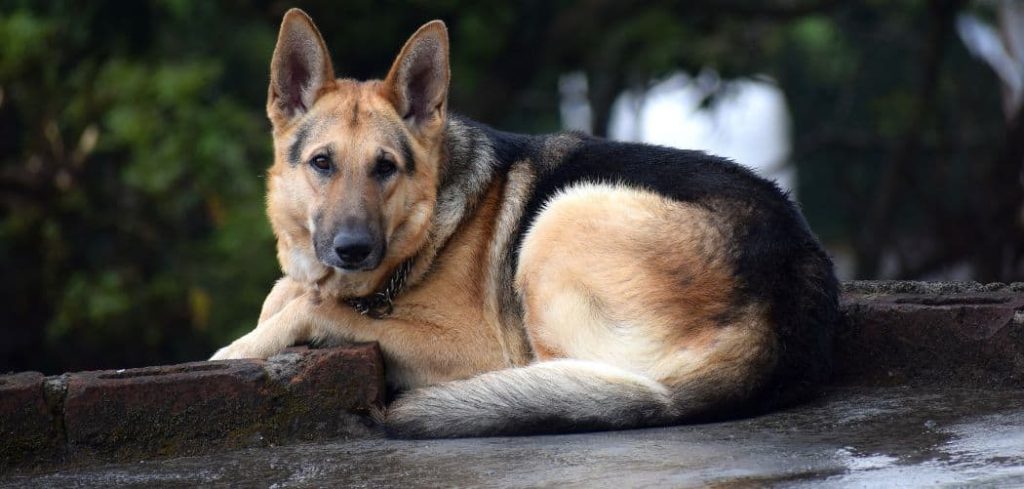
Signs Of Hip Dysplasia In Senior Dogs
Old dog hip dysplasia symptoms often develop gradually. Common signs include:
Difficulty standing up
Hesitation before jumping or climbing stairs
Bunny-hopping gait
Stiffness after rest
Decreased activity level
Lameness in hind legs
Muscle loss in the back legs
Irritability when hips are touched
Some dogs show subtle changes at first, such as avoiding long walks or preferring soft surfaces. Others may suddenly seem reluctant to move after years of being active.
Why Does Hip Dysplasia Become Worse In Old Dogs?
Many dogs with mild hip dysplasia function relatively well during adulthood. However, aging brings additional stress to the joints.
Cartilage naturally thins over time, muscle mass declines, and the body’s ability to repair tissue decreases.
In senior dogs, years of joint instability eventually result in advanced osteoarthritis. The protective cartilage erodes, bone surfaces may rub directly against each other, and bone spurs can form. These changes cause chronic pain and reduced range of motion.
Old dog hip dysplasia is often less about the original joint malformation and more about the long-term arthritic damage that develops as a result.
Related: Old Dog Hip Pain (Causes, signs and treatment)
Old Dog Hip Dysplasia: Common Causes
Genetic Predisposition
Hip dysplasia is strongly influenced by genetics. Certain breeds are more prone to developing the condition, particularly large and giant breeds such as Labrador Retrievers, German Shepherds, Golden Retrievers, and Rottweilers.
Dogs inherit a tendency for abnormal hip joint formation, which may not cause noticeable symptoms early in life. As they age, however, the poorly formed joint experiences cumulative wear and tear.
Even mixed-breed dogs can inherit genetic risk factors. If your dog had mild hip looseness as a puppy, symptoms may not appear until arthritis advances in later years.
Joint Instability Over Time
The primary issue in hip dysplasia is joint laxity, meaning the ball does not sit tightly within the socket. Over decades of movement, this instability causes micro-trauma to cartilage and bone.
In young dogs, muscles surrounding the hip can compensate for looseness. However, as dogs age and muscle mass declines, that compensation weakens. Reduced muscle support allows instability to worsen, increasing inflammation and pain.
Senior dogs often experience flare-ups during weather changes or after increased activity because arthritic joints become more sensitive over time.
Obesity And Excess Weight
Carrying extra weight significantly worsens old dog hip dysplasia. Additional body weight increases pressure on already compromised joints, accelerating cartilage breakdown.
In senior dogs, metabolism slows and activity levels often decrease, making weight gain more likely. Even a small increase in weight can dramatically impact joint health.
Weight management is one of the most important factors in slowing progression and reducing pain associated with hip dysplasia.
Muscle Loss And Aging
As dogs grow older, natural muscle loss occurs. This process, known as sarcopenia, reduces strength around the hips and hindquarters.
Strong muscles help stabilize joints and absorb shock during movement. When those muscles weaken, the hip joint bears more direct stress. This contributes to stiffness, reduced mobility, and increased discomfort in senior dogs with dysplasia.
Maintaining safe, gentle exercise can help preserve muscle tone and support joint stability.
Secondary Arthritis
In many cases, the primary issue in old dog hip dysplasia is advanced osteoarthritis. Years of joint instability lead to inflammation that damages cartilage.
Arthritis causes thickening of joint capsules, formation of bone spurs, and narrowing of joint spaces. These changes make movement painful and restricted.
Even dogs who showed mild symptoms earlier in life may experience more pronounced arthritis-related discomfort in their senior years.
Diagnosis of Hip Dysplasia
Diagnosis typically begins with a physical examination. Your veterinarian will assess range of motion, joint stability, and pain response.
X-rays are the primary diagnostic tool for confirming hip dysplasia and evaluating the extent of arthritis. Imaging reveals joint looseness, bone remodeling, and cartilage loss.
In senior dogs, diagnosis often focuses on determining the severity of arthritis and ruling out other conditions such as neurological disease or ligament injuries.
Old Dog Hip Dysplasia Treatment
While hip dysplasia cannot be reversed, many effective treatments can improve comfort and mobility.
Weight Management
Maintaining an ideal body weight is crucial. Reducing even a few pounds can significantly decrease pressure on the hips.
A veterinarian may recommend a joint-support or weight-control diet designed for senior dogs.
Pain Management
Nonsteroidal anti-inflammatory drugs (NSAIDs) are commonly prescribed to reduce inflammation and discomfort. These medications can dramatically improve quality of life when monitored properly.
Other options may include joint supplements containing glucosamine and chondroitin, omega-3 fatty acids, or prescription joint support medications.
Pain management plans are tailored to each dog’s health profile.
Physical Therapy And Exercise
Gentle, controlled exercise helps maintain muscle strength without overloading the joints. Short, frequent walks are often better than long outings.
Hydrotherapy is particularly beneficial because water supports body weight while allowing muscles to work.
Physical therapy exercises guided by professionals can improve flexibility and stability.
Assistive Devices
Ramps, orthopedic beds, and non-slip flooring can reduce strain on arthritic hips. Harnesses designed to support the hindquarters can help dogs stand and walk comfortably.
Simple home modifications often make a significant difference in daily comfort.
Surgical Options
In some cases, surgery may be considered, even in older dogs. Total hip replacement can provide dramatic improvement, but it requires careful evaluation of overall health and recovery potential.
For many senior dogs, conservative management is preferred over invasive procedures.
Related: Old Dog Hip Problems (Common problems explained)
Can A Dog Live A Good Life With Hip Dysplasia?
Absolutely. Many dogs with old dog hip dysplasia continue to enjoy happy, fulfilling lives with proper management.
Early intervention, consistent pain control, weight management, and supportive care can extend mobility for years.
The goal is not just longevity but quality of life. Monitoring your dog’s comfort level and adjusting treatment as needed ensures they remain active and engaged.
When To Consider Quality Of Life Discussions
If pain becomes difficult to manage despite medication, or if your dog can no longer stand, walk, or eliminate comfortably, it may be time to have a compassionate conversation with your veterinarian.
Indicators that quality of life may be declining include:
Persistent pain despite treatment
Inability to rise without assistance
Loss of interest in food or interaction
Frequent falls
Each situation is unique, and decisions should be guided by veterinary advice and your understanding of your dog’s well-being.
Related: Old Dog Hips (Understanding mobility changes in old dog )
Key Takeaway
Old dog hip dysplasia is a progressive condition that often becomes more noticeable in senior years due to arthritis and muscle loss. While it cannot be cured, it can be effectively managed.
Genetics, joint instability, obesity, aging, and secondary arthritis all contribute to worsening symptoms over time. Fortunately, modern veterinary medicine offers numerous tools to control pain and improve mobility.
With attentive care, proper treatment, and home adjustments, many senior dogs with hip dysplasia continue to enjoy comfort, companionship, and meaningful daily activities. Early action and consistent support are the keys to helping your aging dog move through life with dignity and ease.