
When an old dog suddenly starts hiding or behaving unusually, it can feel alarming and confusing.
These changes are often a sign that something deeper is going on, whether physical, emotional, or cognitive.
Hiding and Acting Strange in Old Dogs
Hiding can mean retreating under beds, behind furniture, into corners, closets, or rooms they don’t usually use. Some dogs hide only part of the day, while others seek isolation almost constantly.
Acting strange may include pacing, whining, staring into space, avoiding touch, sudden clinginess followed by withdrawal, or changes in sleep patterns.
You might notice your dog flinching when approached, refusing food they normally love, or reacting unpredictably to familiar sounds or people. These behaviors may appear suddenly or develop gradually over weeks.
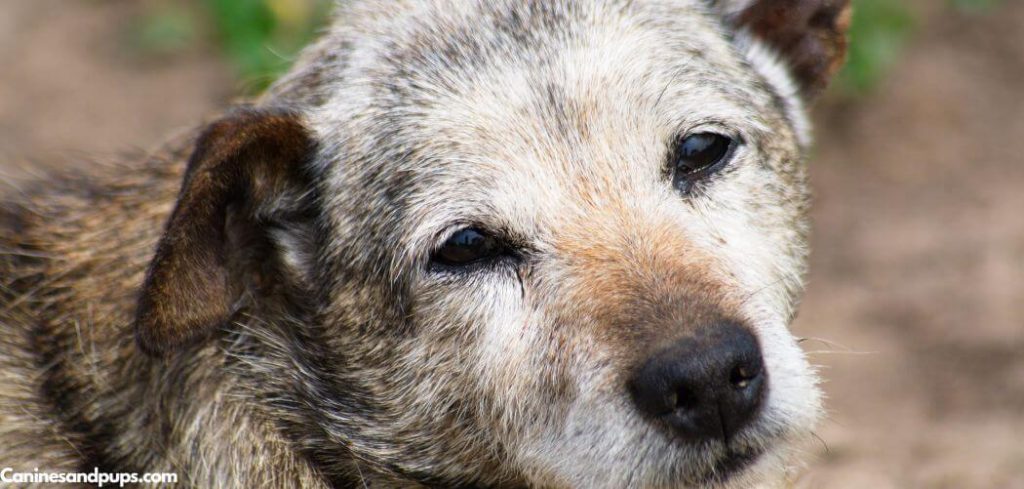
Is It Normal for Old Dogs to Hide?
No. Consistent hiding or unexplained behavior changes are not normal. While senior dogs may enjoy quieter spaces, deliberate isolation paired with odd or unusual behavior signals distress.
Aging increases the risk of conditions that cause hiding—but the behavior itself always reflects something deeper that needs to be addressed.
Old Dog Hiding and Acting Strange: Symptoms
If your dog is hiding and acting unusual, you may notice:
Spending more time in secluded or unusual places
Avoiding interaction or affection
Sudden changes in personality
Confusion or disorientation
Increased sleeping or lethargy
Loss of appetite
Restlessness or pacing
Whining, trembling, or signs of anxiety
Difficulty recognizing familiar people or spaces
Old Dog Hiding and Acting Strange: Why It Happens
An old dog hiding and acting strange is usually a sign of discomfort, confusion, fear, or illness, rather than simple behavioral change. As dogs age, underlying medical conditions, pain, or cognitive decline can alter how they interact with their environment, causing them to withdraw, avoid contact, or behave in ways that seem unusual or out of character.
Old Dog Hiding and Acting Strange: Common Causes
Pain or Physical Discomfort
Pain is one of the most common reasons an older dog may suddenly hide or act differently.
Conditions like arthritis, dental disease, or internal discomfort can make your dog want to retreat to a quiet, safe space. Hiding becomes a natural instinct to protect themselves while they’re vulnerable.
Because dogs often mask pain well, behavioral changes like withdrawal or unusual stillness may be the first noticeable signs something is wrong.
Read more: Old Dog Going Into Corners (Is this confusion or something serious?)
Canine Cognitive Dysfunction (Dog Dementia)
Cognitive decline in older dogs can lead to confusion, disorientation, and unusual behaviors.
Your dog may forget familiar routines, seem lost in known spaces, or suddenly hide in corners or behind furniture. This condition is similar to dementia in humans and can progress gradually.
As confusion increases, your dog may seek out quiet or enclosed areas because they feel safer there, even if it seems out of character.
Related: Old Dog Syndrome (Signs, causes and treatment)
Anxiety or Fear
Older dogs can become more sensitive to stress, changes in environment, or unfamiliar situations.
Loud noises, new pets, changes in household routine, or even subtle environmental shifts can trigger anxiety. Instead of reacting outwardly, many dogs cope by hiding.
This type of behavior may come and go depending on triggers, making it seem unpredictable or “strange.”
Illness or Internal Disease
Underlying medical conditions such as infections, organ dysfunction, or hormonal imbalances can cause behavioral changes.
When dogs feel unwell, they often isolate themselves. You might notice your dog hiding more, avoiding interaction, or acting differently alongside other symptoms like appetite loss or lethargy.
Because these changes can be subtle at first, hiding behavior is sometimes one of the earliest warning signs.
Vision or Hearing Loss
As dogs age, they may lose some of their ability to see or hear clearly.
This can make their environment feel unfamiliar or even threatening, leading them to seek out small, enclosed, or quiet spaces where they feel more secure.
What looks like “strange behavior” may actually be your dog adapting to a world that feels less predictable and harder to navigate.
Neurological Issues
Conditions affecting the brain or nervous system can lead to sudden personality or behavior changes.
This may include pacing, staring, disorientation, or hiding. Neurological problems can develop gradually or appear suddenly, depending on the cause.
Because the brain controls behavior, even small changes can have noticeable effects on how your dog acts.
Read more: Old Dog Head Tilt (What it could mean for your dog’s health)
Changes in Routine or Environment
Dogs, especially older ones, thrive on routine and familiarity. Even small disruptions like moving furniture, schedule changes, or new people in the home can make them feel unsettled.
Some dogs respond by becoming clingy, while others withdraw and hide as a way to cope with uncertainty.
Old Dog Hiding and Acting Strange: What to Do
Start by creating a calm, safe, and predictable environment for your dog. Keep their routine consistent, including feeding times, walks, and bedtime, as this can help reduce anxiety and confusion.
Provide a comfortable resting area that is quiet and easily accessible. If your dog is choosing to hide, avoid forcing them out, but gently check on them and ensure they are safe and comfortable.
Observe your dog closely for any additional signs like changes in appetite, mobility, or breathing. These clues can help determine whether the issue is behavioral or medical.
Offer gentle reassurance without overwhelming them. Sitting nearby, speaking softly, and maintaining a calm presence can help your dog feel secure.
If the behavior persists or worsens, documenting what you notice can be very helpful when discussing the issue with your veterinarian.
When to Call or Visit Your Vet
If your dog’s hiding behavior is sudden, persistent, or paired with other symptoms like lethargy, loss of appetite, or breathing changes, it’s important to seek veterinary care.
Signs of pain, such as limping, whining, or reluctance to move, should always be evaluated promptly.
If your dog seems confused, disoriented, or unable to recognize familiar surroundings, this could indicate cognitive or neurological issues that need attention.
Any rapid behavioral change without a clear cause is worth investigating, especially in older dogs where underlying conditions are more common.
Trust your instincts—if something feels off, it’s always better to have your dog checked.
Old Dog Hiding and Acting Strange: Treatment
Treatment will depend on the underlying cause of your dog’s behavior.
If pain is identified, your vet may prescribe medications or recommend therapies to improve comfort and mobility.
For cognitive dysfunction, specific medications, supplements, and environmental adjustments can help slow progression and improve quality of life.
If an illness or infection is present, targeted treatment such as antibiotics, supportive care, or dietary changes may be necessary.
In cases of anxiety, behavioral strategies and, in some cases, calming medications may be recommended to help your dog feel more secure.
Key Takeaway
An old dog hiding and acting strange is often your dog’s way of signaling that something isn’t right.
Whether it’s pain, confusion, anxiety, or an underlying medical condition, these behavioral changes should never be ignored.
By paying close attention, offering a calm and supportive environment, and involving your veterinarian when needed, you can help your dog feel safer and more comfortable during this stage of life.
Early attention makes a real difference—not just in treatment, but in your dog’s overall well-being and peace of mind.