
If your old dog is heavy panting, it can be worrying, especially if it seems excessive or happens without obvious cause like exercise or heat.
Panting is normal for dogs, but heavy or persistent panting in senior dogs is often a sign of discomfort or an underlying health issue.
Old Dog Heavy Panting: Why It Happens
When an old dog is heavy panting, it’s usually due to heat regulation, pain, anxiety, or underlying medical conditions affecting breathing or metabolism.
Common causes include overheating, arthritis pain, heart disease, respiratory issues, or hormonal conditions. In some cases, medications or stress can also trigger excessive panting. An old dog heavy panting is often trying to cool down, manage discomfort, or compensate for internal changes.
An old dog pants heavily because dogs regulate body temperature through panting, and this response can also be triggered by pain, stress, or reduced oxygen exchange.
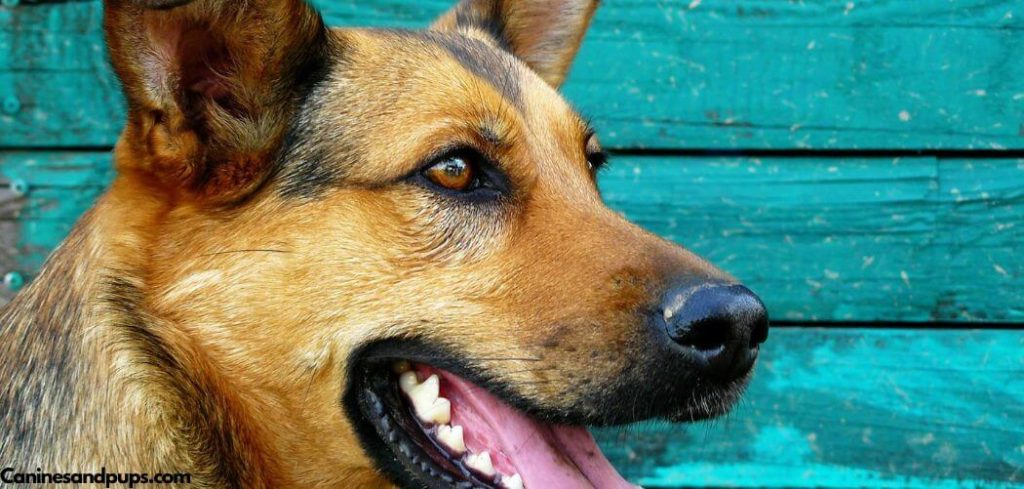
Old Dog Heavy Panting: Symptoms
If your old dog is heavy panting, you may notice:
Rapid, continuous panting
Panting at rest or during the night
Open-mouth breathing
Restlessness or pacing
Increased thirst
Lethargy or weakness
Coughing or breathing changes
Difficulty settling down
Old Dog Heavy Panting: Common Causes
Overheating or Heat Sensitivity
Older dogs are less efficient at regulating body temperature, making them more prone to overheating.
Even mild heat or activity can cause excessive panting as the body tries to cool down. Senior dogs often have reduced cardiovascular efficiency and may not dissipate heat as effectively as younger dogs.
Panting due to heat is usually accompanied by seeking cool surfaces, increased thirst, and restlessness. In more severe cases, overheating can progress to heat exhaustion or heatstroke.
Read more: Old Dog Making Weird Breathing Noise (What it means)
Pain
Pain is a very common cause of heavy panting in older dogs, even when it’s not obvious.
Conditions like arthritis can cause constant discomfort, which triggers stress responses in the body, including increased breathing rate.
Dogs may pant more when lying down, trying to get comfortable, or after minimal movement. This type of panting is often paired with restlessness or difficulty settling.
Heart Disease
Heart problems can lead to reduced oxygen delivery and fluid buildup in or around the lungs.
As a result, your dog may pant heavily to compensate for the reduced efficiency of oxygen exchange.
This type of panting often occurs at rest or during the night and may be accompanied by coughing, fatigue, or reduced exercise tolerance.
Read more: Old Dog Huffing and Puffing (Breathing concerns explained)
Respiratory Issues
Conditions affecting the lungs or airways can make breathing more difficult, leading to heavy panting.
Inflammation, infection, or structural changes in the respiratory system can reduce airflow or oxygen intake.
Dogs may show labored breathing, increased effort when inhaling, or intolerance to activity.
Anxiety or Stress
Emotional stress can trigger panting as part of the body’s response to anxiety.
Older dogs may become more sensitive to changes in their environment or routine, leading to increased stress levels.
Panting due to anxiety is often accompanied by pacing, whining, or clingy behavior.
Hormonal Conditions
Hormonal imbalances can affect metabolism and breathing patterns.
Conditions like Cushing’s disease can cause increased panting due to changes in hormone levels that affect how the body handles stress and temperature.
Other signs may include increased thirst, appetite changes, and a pot-bellied appearance.
Medication Side Effects
Certain medications, particularly steroids, can cause increased panting as a side effect.
If your dog recently started a new medication, this could be contributing to the behavior.
Always consult your veterinarian before making any changes to medication.
Old Dog Heavy Panting: What to Do
If your old dog is heavy panting, start by ensuring they are in a cool, well-ventilated environment with access to fresh water.
Limit physical activity, especially in warm conditions, and allow your dog to rest comfortably.
Observe when the panting occurs and note any triggers, such as movement, stress, or time of day.
Provide a calm and quiet environment to reduce stress-related panting.
If the panting persists or seems unusual, it’s important to consult your veterinarian.
When to Call or Visit Your Vet
If your old dog is heavy panting at rest or the panting does not stop, you should contact your veterinarian.
Seek immediate care if panting is accompanied by difficulty breathing, blue or pale gums, or collapse.
You should also seek veterinary attention if your dog shows signs of pain, coughing, lethargy, or appetite changes.
Any sudden or severe increase in panting should be evaluated promptly.
Old Dog Heavy Panting: Treatment
Veterinary treatment for an old dog heavy panting depends on the cause. Your vet may perform physical exams, blood tests, or imaging.
Pain-related causes are treated with appropriate pain management. Heart or respiratory conditions may require medications and ongoing care.
Hormonal issues are managed with specific treatments. If medications are the cause, adjustments may be made under veterinary guidance.
Key Takeaway
Heavy panting in an old dog is often a sign that something isn’t right, whether it’s heat, pain, or an underlying health issue.
By monitoring symptoms and acting early, you can help identify the cause and ensure your dog stays comfortable.
With proper care and veterinary support, many causes of heavy panting can be managed effectively.