
Older dogs developing heart failure is understandably frightening, especially when symptoms like coughing, fatigue, or breathing changes begin to appear.
These signs often develop gradually, making them easy to miss until the condition progresses.
What Heart Failure Actually Means
Heart failure does not mean the heart has stopped working. It means the heart can no longer pump blood efficiently enough to meet the body’s needs.
When circulation slows, fluid can back up into the lungs or abdomen, oxygen delivery decreases, and organs work harder to compensate.
The body responds with increased breathing rate, coughing, fatigue, and hormonal changes that further strain the heart. In senior dogs, this cycle progresses faster without support.
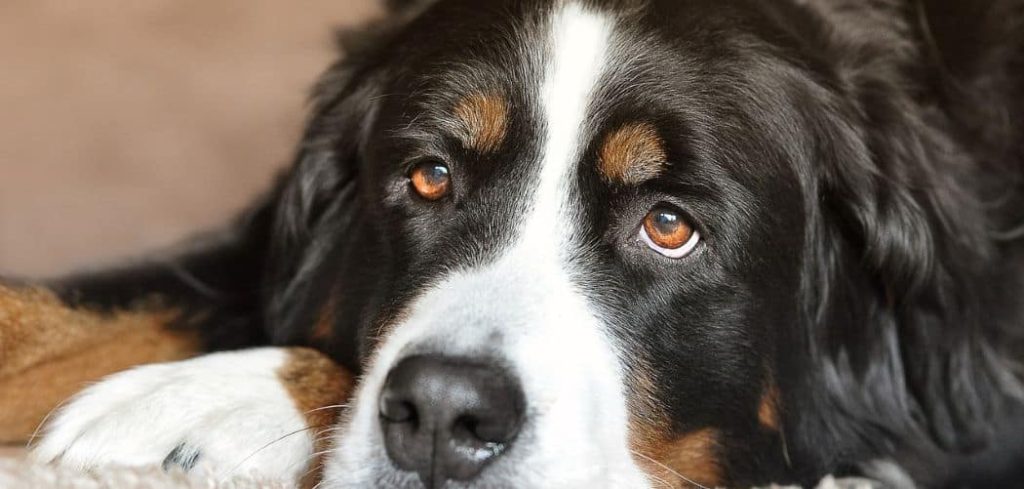
Old Dog Heart Failure: Why It Happens
Heart failure in an old dog usually happens when the heart can no longer pump blood effectively due to age-related changes, underlying disease, or structural damage.
Over time, conditions like valve degeneration, heart muscle weakening, or chronic strain can reduce the heart’s efficiency, leading to fluid buildup in the lungs or abdomen and noticeable symptoms such as coughing, lethargy, and breathing difficulty.
Is Heart Failure Normal in Old Dogs?
Heart failure is more common in older dogs, but it is not a normal or inevitable part of aging. Aging increases the risk of heart disease, but heart failure itself means the heart is no longer meeting the body’s demands.
Many dogs live long lives without developing heart failure. When it occurs, it always reflects underlying cardiac change that deserves attention and management.
Old Dog Heart Failure: Symptoms
Heart failure does not always appear suddenly. In many senior dogs, it develops gradually and quietly. Early signs often include reduced stamina, heavier breathing after mild activity, coughing, reluctance to exercise, or subtle behavior changes. Dogs may sleep more, play less, or avoid stairs.
As the condition progresses, symptoms may include rapid breathing at rest, nighttime restlessness, coughing that worsens when lying down, weakness, fainting spells, or a distended abdomen. Some dogs lose appetite, while others seem anxious or unsettled. These signs reflect the heart’s reduced ability to circulate blood efficiently.
If your dog is developing heart failure, you may notice:
Persistent coughing, especially at night
Difficulty breathing or rapid breathing
Fatigue or reduced activity levels
Loss of appetite
Weight loss or muscle wasting
Swollen abdomen (fluid buildup)
Restlessness or trouble settling
Pale or bluish gums
Fainting or collapse
Old Dog Heart Failure: Common Causes
Degenerative Valve Disease
One of the most common causes of heart failure in older dogs is the gradual breakdown of the heart valves, especially the mitral valve.
Over time, this valve becomes thickened and leaky, allowing blood to flow backward instead of moving efficiently through the heart. This forces the heart to work harder to compensate.
As the condition progresses, pressure builds up in the lungs, leading to coughing, rapid breathing, and eventually fluid accumulation. Small breed dogs are particularly prone to this condition, and it often develops slowly over months or years before becoming noticeable.
Related: Old Dog Heart Murmur Life Expectancy
Dilated Cardiomyopathy (DCM)
Dilated cardiomyopathy occurs when the heart muscle becomes weak and enlarged, reducing its ability to pump blood effectively.
Instead of strong contractions, the heart becomes stretched and inefficient, leading to poor circulation throughout the body. This can cause fatigue, weakness, and fainting episodes.
In advanced stages, fluid may accumulate in the lungs or abdomen, signaling heart failure. Larger breeds are more commonly affected, but it can occur in any aging dog, especially if there are underlying nutritional or genetic factors.
Chronic High Blood Pressure
Long-term high blood pressure puts continuous strain on the heart, forcing it to pump against increased resistance.
Over time, this pressure can thicken the heart walls and reduce its flexibility, making it harder for the heart to fill and pump properly. Eventually, this leads to decreased efficiency and potential heart failure.
High blood pressure in older dogs is often linked to other conditions like kidney disease or hormonal imbalances, which can silently contribute to heart deterioration.
Congenital Heart Defects That Worsen With Age
Some dogs are born with minor heart defects that may not cause problems early in life but become more significant as they age.
As the heart naturally weakens over time, these defects can place additional strain on circulation, eventually leading to heart failure.
You may not realize their dog has a congenital issue until symptoms appear later in life, making it seem sudden when in reality the condition has been developing slowly.
Related: Dog hacking cough and congestive heart failure (Why it happens)
Heartworm Disease
Heartworm disease can cause serious and lasting damage to the heart and lungs, especially if it has gone untreated.
The presence of worms in the heart and surrounding blood vessels disrupts normal blood flow and increases pressure within the cardiovascular system.
Even after treatment, some dogs are left with permanent damage that can lead to heart failure later in life. In regions where heartworm is common, this remains an important consideration for older dogs showing cardiac symptoms.
Age-Related Heart Muscle Wear
Just like other organs, the heart naturally undergoes wear and tear as a dog ages.
Over time, the heart muscle may become less efficient, slightly stiff, or less responsive, especially if combined with other minor underlying conditions.
While this process alone may not always lead to full heart failure, it can contribute significantly when paired with other issues like valve disease or high blood pressure.
Secondary Conditions That Strain the Heart
Certain illnesses can indirectly lead to heart failure by placing extra stress on the cardiovascular system.
Conditions like chronic lung disease, severe anemia, or endocrine disorders force the heart to work harder to deliver oxygen and nutrients throughout the body.
Over time, this increased workload can weaken the heart, eventually resulting in failure if the underlying issue is not managed properly.
Old Dog Heart Failure: What to Do
If you suspect heart failure in your dog, the most important step is to keep their environment calm and low-stress. Avoid excessive exercise or excitement, as this can put additional strain on the heart.
Make sure your dog has a comfortable resting area where they can breathe easily. Elevating their head slightly with bedding can sometimes help reduce breathing effort.
Monitor their breathing rate while they are resting. A noticeable increase in resting breaths per minute can be an early warning sign that fluid is building up in the lungs.
Ensure your dog stays hydrated, but follow any fluid or dietary recommendations your vet has provided, especially if sodium restriction is advised.
Most importantly, keep a close eye on changes. Even small shifts in energy, appetite, or breathing can signal that the condition is progressing and needs medical attention.
When to Call or Visit Your Vet
If your dog is breathing rapidly, struggling to breathe, or showing signs of distress, this is an emergency and requires immediate veterinary care.
Coughing that becomes frequent, persistent, or worsens over time should never be ignored, especially in an older dog.
If you notice a swollen abdomen, sudden weakness, or fainting episodes, contact your vet as soon as possible. These can indicate advanced heart failure.
Loss of appetite combined with lethargy is another red flag that your dog’s condition may be worsening and needs evaluation.
Early intervention can significantly improve comfort and slow disease progression, so it’s always better to act sooner rather than wait.
Old Dog Heart Failure: Treatment
Treatment for heart failure in older dogs focuses on managing symptoms and improving quality of life rather than curing the condition.
Veterinarians often prescribe medications that help remove excess fluid from the body, making breathing easier and reducing pressure on the heart.
Other medications may be used to improve heart function, regulate blood pressure, or support better circulation.
Dietary changes, particularly reducing sodium intake, can help minimize fluid retention and reduce strain on the heart.
In many cases, ongoing monitoring is essential. Your vet may recommend regular checkups, chest X-rays, or heart ultrasounds to track progression and adjust treatment as needed.
Key Takeaway
Heart failure in an old dog is a serious but often manageable condition when caught early and treated appropriately.
While it can be caused by a variety of underlying issues, the common thread is that the heart is no longer able to keep up with the body’s needs.
By recognizing symptoms early, providing supportive care at home, and working closely with your veterinarian, you can help your dog stay comfortable and maintain a good quality of life.
If something feels off, trust your instincts. Early action can make a meaningful difference for your dog’s comfort and well-being.