
If your old dog is experiencing head tremors, it can be alarming to watch, especially when the movements seem uncontrollable or sudden.
Some tremors can be harmless, but others may be a sign of underlying neurological, metabolic, or medical issues.
Head Tremors in Old Dogs
Head tremors usually appear as rhythmic shaking of the head without full-body involvement. The motion may be vertical (yes-yes movement), horizontal (no-no movement), or a fine quivering that’s most noticeable when the dog is resting or focused.
Episodes can last seconds to minutes and may stop when the dog is distracted, eating, or moving. Some dogs seem completely aware during tremors, while others appear tense or uneasy. Frequency can vary widely, from occasional episodes to daily occurrences.
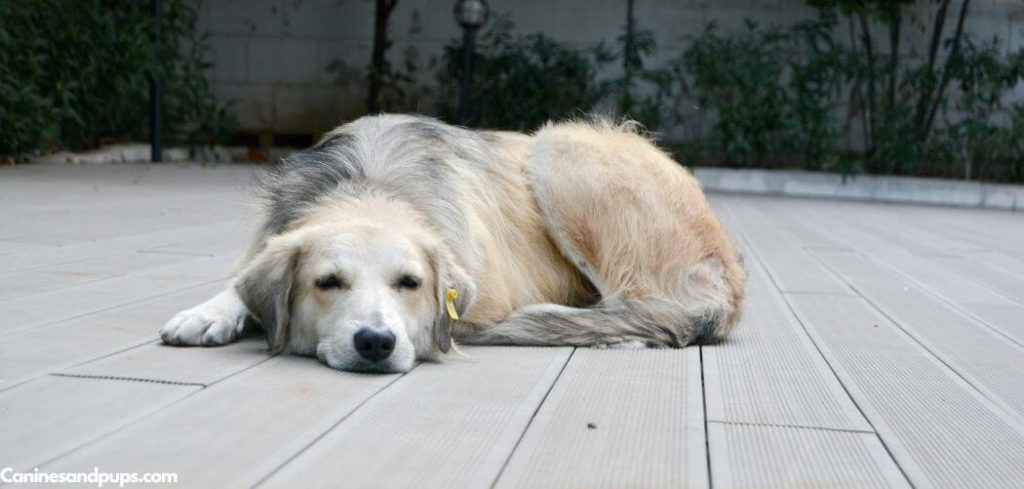
Old Dog Head Tremors: Why It Happens
Old dog head tremors happen because signals between the brain, nerves, and muscles become disrupted or irregular, causing rhythmic or sporadic shaking of the head.
Common causes include neurological changes, muscle issues, toxins, or underlying health conditions.
As dogs age, the nervous system can become more sensitive or less stable, leading to involuntary movements.
Old Dog Head Tremors: Symptoms
If your old dog has head tremors, you may notice:
Rhythmic or repetitive head shaking
Tremors that come and go
Episodes lasting seconds to minutes
Normal behavior between episodes
Difficulty focusing during tremors
Mild disorientation in some cases
No loss of consciousness (in many cases)
Possible progression in frequency over time
Old Dog Head Tremors: Common Causes
Idiopathic Head Tremor Syndrome
This is a relatively common and often benign condition. Idiopathic head tremors involve episodes of rhythmic head movements without a clear underlying cause.
Dogs are usually alert and responsive during episodes, and the tremors may stop if the dog is distracted.
In older dogs, this condition may appear suddenly but does not typically worsen significantly over time. Episodes can vary in frequency and duration.
Although it looks concerning, it is often not painful and may not require treatment unless severe.
Neurological Disorders
Conditions affecting the brain or nervous system can cause tremors. Brain tumors, inflammation, or degenerative diseases can disrupt normal nerve signals, leading to involuntary movements.
In older dogs, neurological causes are more likely and may be accompanied by other symptoms such as confusion, weakness, or coordination issues. These tremors may become more frequent or severe over time.
Related: Old Dog Neurological Problems (Signs to watch out for)
Seizure Activity (Focal Seizures)
Some tremors are actually a form of seizure. Focal seizures can affect only part of the body, such as the head, causing repetitive movements without full loss of consciousness.
Unlike generalized seizures, these episodes may be subtle but still indicate abnormal brain activity.
You may notice patterns or triggers, and episodes may increase in frequency if untreated.
Related: Old Dog Having Seizures (Causes and treatment)
Metabolic Imbalances
Internal health issues can affect nerve function. Conditions such as low blood sugar, liver disease, or electrolyte imbalances can interfere with normal brain and muscle activity.
In older dogs, these issues may develop gradually and cause intermittent tremors. Additional signs may include lethargy, appetite changes, or weakness.
Toxin Exposure
Exposure to certain toxins can cause tremors. Chemicals, medications, or certain foods can affect the nervous system and lead to shaking or tremors.
Older dogs may be more sensitive to toxins, even in small amounts.
This cause is often associated with sudden onset and may include other symptoms like vomiting or restlessness.
Pain or Muscle Weakness
Pain can sometimes cause shaking or tremor-like movements. Discomfort in the neck or head area may lead to subtle tremors as the dog tries to compensate.
Muscle weakness or fatigue can also contribute, especially in older dogs with reduced strength.
These tremors may be more noticeable during movement or when your dog is trying to hold their head steady.
Medication Side Effects
Some medications can affect the nervous system. Older dogs are often on multiple medications, and certain drugs may cause tremors as a side effect.
If tremors begin after starting a new medication, this should be considered as a possible cause.
Read more: Old Dog Head Tilt (What it could mean)
Old Dog Head Tremors: What to Do
Start by observing the tremors closely and noting how long they last and how often they occur.
Recording a video can be very helpful for your veterinarian.
Try gently distracting your dog during an episode, as some benign tremors may stop when attention shifts.
Keep your dog calm and avoid stressful situations that could trigger or worsen tremors.
Ensure your dog is eating regularly and staying hydrated, as metabolic issues can contribute to symptoms.
Do not attempt to treat tremors without veterinary guidance.
When to Call or Visit Your Vet
If your old dog has head tremors, it’s important to consult your veterinarian for proper evaluation.
Even mild tremors should be assessed to rule out serious causes.
Seek immediate care if tremors are severe, prolonged, or accompanied by collapse or unresponsiveness.
These may indicate seizures or toxicity.
You should also contact your vet if tremors are becoming more frequent, worsening, or paired with behavioral or physical changes.
Early diagnosis can help determine whether treatment is needed.
Old Dog Head Tremors: Treatment
Treatment for old dog head tremors depends on the cause. If the tremors are benign, no treatment may be necessary beyond monitoring.
Neurological or seizure-related causes may require medication to control symptoms.
Metabolic issues will be treated by addressing the underlying condition. If medication side effects are suspected, your vet may adjust dosages or switch treatments.
Diagnostic tests may be needed to identify the exact cause.
Key Takeaway
Old dog head tremors can range from harmless to serious, making proper evaluation essential.
While some cases are benign, others may signal underlying neurological or health issues.
By monitoring symptoms and seeking veterinary care when needed, you can ensure your dog receives the support and treatment necessary for a comfortable life.