
If your old dog suddenly develops a head tilt, it can be both confusing and concerning.
Some dogs may briefly tilt their heads out of curiosity, but a persistent tilt in a senior dog is often a sign of an issue affecting balance, the ears, or the nervous system.
What Does a Head Tilt Look Like in Old Dogs?
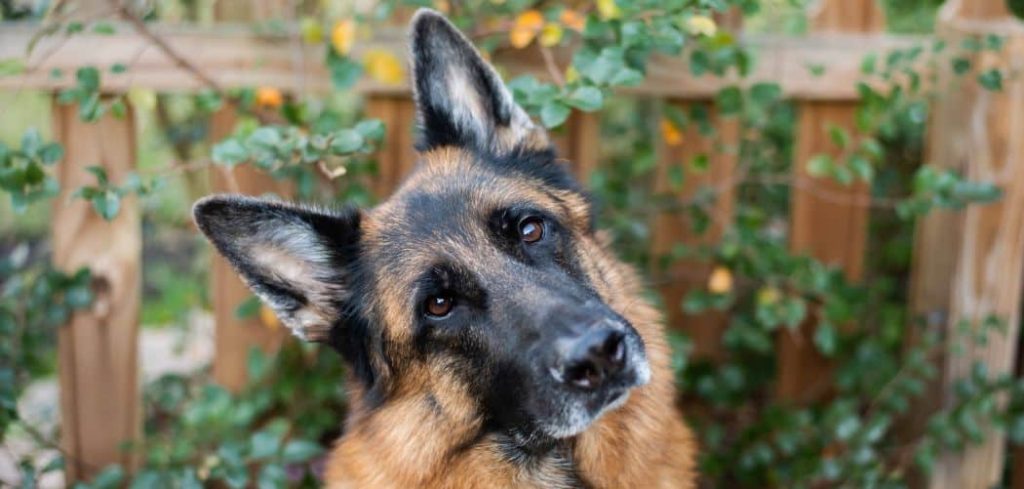
A head tilt appears when the dog holds their head consistently angled to one side. The tilt may be mild or severe and may stay the same or worsen over time. Some dogs tilt only when standing or walking, while others hold the tilt even when lying down.
You may also notice circling, stumbling, falling, nausea, vomiting, eye flicking, anxiety, or reluctance to move.
In some cases, the dog seems alert but off-balance; in others, they appear confused or distressed. The presence or absence of these additional signs helps indicate how serious the situation may be.
Old Dog Head Tilt: Why It Happens
An old dog with a head tilt is most commonly experiencing a problem with the inner ear, balance system, or neurological function.
The head tilt happens because the body’s balance system (vestibular system) is disrupted, causing the dog to tilt their head to compensate for dizziness or disorientation.
Is a Head Tilt Normal in Old Dogs?
No. A persistent head tilt is not a normal. While senior dogs are more prone to conditions that affect balance, the tilt itself always reflects an underlying problem.
Some causes are temporary and improve with support, while others require urgent care. Either way, a head tilt should always be evaluated.
Old Dog Head Tilt: Symptoms
If your old dog has a head tilt, you may notice:
Persistent tilting of the head to one side
Loss of balance or unsteady walking
Circling in one direction
Falling or leaning
Rapid eye movements (nystagmus)
Nausea or vomiting
Reduced appetite
Confusion or disorientation
Old Dog Head Tilt: Common Causes
Vestibular Disease
Vestibular disease is one of the most common causes of head tilt in older dogs. This condition affects the balance system in the inner ear and brain, leading to sudden disorientation. Dogs may appear dizzy, tilt their head, and have trouble walking or standing.
The onset is often sudden, which can be alarming, but many dogs improve significantly within days to weeks. The head tilt may remain even after other symptoms resolve.
Despite how dramatic it looks, this condition is often manageable with supportive care.
Read more: Old Dog Vestibular Disease (Signs, causes and treatment)
Ear Infections
Ear infections can affect balance and cause head tilt. When infection spreads deeper into the ear, it can disrupt the structures responsible for equilibrium.
Older dogs may be more prone to chronic ear infections, especially if they have a history of ear problems. You may notice odor, discharge, or sensitivity around the ears.
The head tilt often develops gradually and may worsen if untreated.
Neurological Conditions
Problems affecting the brain can cause a head tilt. Conditions such as brain tumors, inflammation, or strokes can interfere with coordination and balance.
In these cases, the head tilt may be accompanied by other neurological signs such as weakness, behavior changes, or severe disorientation.
Because these conditions can be serious, they require immediate veterinary evaluation.
Related: Old Dog Neurological Problems (Signs to watch out for)
Injury or Trauma
Head or neck injuries can lead to balance issues. A fall, accident, or strain can affect the vestibular system or surrounding structures, causing your dog to tilt their head.
Older dogs are more vulnerable to injury due to reduced strength and coordination. Symptoms may appear suddenly and may include pain or reluctance to move.
Toxicity or Medication Effects
Certain toxins or medications can affect the nervous system. Exposure to harmful substances or side effects from medications can disrupt balance and cause symptoms like head tilt.
In older dogs, sensitivity to medications may increase, making them more prone to adverse effects.
This cause is often accompanied by other signs such as lethargy or unusual behavior.
Chronic Ear Damage
Long-term ear problems can lead to permanent changes. Repeated infections or untreated ear conditions can damage the structures responsible for balance, leading to persistent head tilt.
In these cases, the tilt may remain even after the original issue has been treated.
Old Dog Head Tilt: What to Do
Start by keeping your dog in a safe, quiet environment to prevent falls or injury. Limit movement if your dog appears unsteady or disoriented.
Provide easy access to food and water, placing bowls within reach to reduce strain.
Avoid sudden movements or loud noises that could worsen confusion or dizziness. Observe your dog closely for additional symptoms such as vomiting, worsening balance, or behavioral changes.
Most importantly, ensure your dog feels secure and supported during episodes.
When to Call or Visit Your Vet
If your old dog develops a head tilt, you should contact your veterinarian as soon as possible.
Even mild cases require evaluation to determine the cause. Seek immediate care if your dog cannot stand, is vomiting repeatedly, or appears severely disoriented.
These signs may indicate a more serious condition. You should also act quickly if the head tilt is accompanied by ear discharge, pain, or neurological symptoms.
Old Dog Head Tilt: Treatment
Treatment for an old dog head tilt depends on the cause.
Vestibular disease often requires supportive care, including medications for nausea and comfort.
Ear infections are treated with cleaning and medication, sometimes requiring longer-term management.
Neurological conditions may require imaging, medication, or specialized treatment.
If injury or toxicity is involved, treatment will focus on stabilizing your dog and addressing the underlying issue.
Key Takeaway
An old dog head tilt is often a sign of balance or neurological issues and should not be ignored.
While some causes are manageable, others can be serious and require prompt care.
With early evaluation and proper support, many dogs recover well and can continue to live comfortably despite this condition.