
If your old dog suddenly has an arched back or is walking with a hunched posture, it’s often a sign that something is causing discomfort or pain.
Posture changes can sometimes be subtle, but an arched back in a senior dog should always be taken seriously.
Arched Back in Old Dogs
An arched back typically appears as a rounded or hunched spine, especially through the mid to lower back.
The dog may tighten their abdominal muscles, hold their tail low, and walk stiffly. Some dogs move slowly or cautiously, while others freeze in place and hesitate to sit or lie down.
You may also notice trembling, panting, restlessness, changes in appetite, reluctance to be touched, or difficulty finding a comfortable resting position.
The posture may come and go or worsen at certain times of day, such as after rest or during activity.
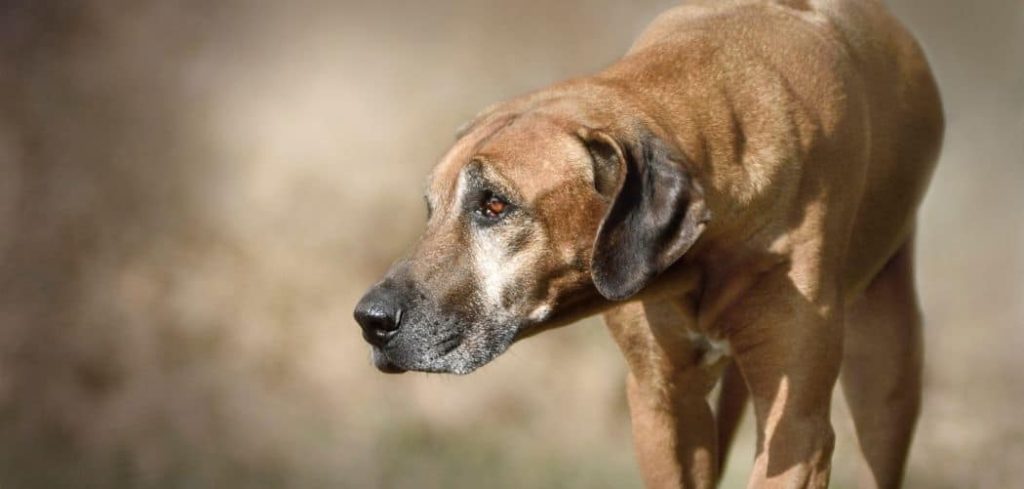
Old Dog Has Arched Back: Why It Happens
Old dog arched back happens because your dog is trying to relieve pressure or protect a painful area, often by tightening muscles and changing posture to reduce discomfort in the spine, abdomen, or internal organs.
This is caused by pain, abdominal discomfort, spinal issues, or internal illness.
Old Dog Has Arched Back: Symptoms
If your old dog has an arched back, you may notice:
Hunched or curved posture along the spine
Reluctance to move or stiffness
Groaning or vocalizing when moving
Reduced appetite
Restlessness or inability to settle
Difficulty lying down or getting comfortable
Shaking or trembling in some cases
Changes in walking or gait
Old Dog Has Arched Back: Common Causes
Abdominal Pain
One of the most common reasons for an arched back is abdominal discomfort.
Conditions like gas buildup, constipation, or gastrointestinal upset can create pressure and pain in the abdomen. Dogs often arch their backs as a way to relieve that pressure.
In older dogs, digestion can slow down, making them more prone to bloating or discomfort after eating. This posture is often accompanied by restlessness, reduced appetite, or attempts to reposition frequently.
More serious issues like pancreatitis can also cause significant abdominal pain, leading to a pronounced hunched posture.
Arthritis and Joint Pain
Arthritis can affect how your dog holds their body. As joints become inflamed and painful, your dog may adjust their posture to reduce strain on affected areas. This can result in an arched or hunched back, especially when standing or walking.
Older dogs often develop stiffness in the spine and hips, making movement uncomfortable. The arched posture may be more noticeable after rest or during colder weather.
You may also notice slower movement, hesitation, or difficulty getting up.
Spinal Problems or Disc Issues
Problems affecting the spine can cause an arched back. Conditions such as intervertebral disc disease or nerve compression can lead to pain along the spine, prompting your dog to arch their back to minimize discomfort.
This type of pain may be sharp or persistent, and your dog may avoid certain movements or react when touched along the back.
In some cases, there may also be weakness or coordination issues in the legs.
Read more: Old Dog Getting Bonny Back (Causes and treatment)
Pancreatitis
Pancreatitis is a serious condition involving inflammation of the pancreas. It often causes significant abdominal pain, leading dogs to adopt a hunched or arched posture.
Dogs with pancreatitis may also show vomiting, loss of appetite, lethargy, and discomfort when touched.
In older dogs, this condition can develop suddenly and requires veterinary care.
Internal Organ Disease
Conditions affecting organs such as the liver, kidneys, or intestines can cause discomfort that alters posture.
When internal organs are inflamed or not functioning properly, your dog may arch their back to reduce pressure or pain.
This type of issue often develops gradually and may be accompanied by other symptoms like weight loss, appetite changes, or lethargy.
Because these conditions can be serious, they should not be overlooked.
Injury
An injury can lead to sudden posture changes. Falls, slips, or strains can cause pain in muscles, joints, or the spine, leading your dog to arch their back to protect the affected area.
Older dogs are more vulnerable to injury due to reduced strength and balance. This type of cause is often associated with sudden onset of symptoms.
Read more: Old Dog Moaning When Lying Down (Here’s why)
Urinary Issues or Kidney Problems
Pain related to the urinary system can also affect posture. Infections or kidney issues can cause discomfort in the lower abdomen or back, leading to a hunched appearance.
You may also notice changes in urination, such as increased frequency, accidents, or straining. Older dogs are more prone to urinary and kidney conditions.
Old Dog Has Arched Back: What to Do
Start by observing your dog closely and noting when the posture occurs.
Pay attention to whether it’s constant or triggered by movement, eating, or rest. Keep your dog comfortable by providing a soft, supportive resting area.
Limit activity and avoid forcing movement if your dog appears uncomfortable. Ensure your dog has access to fresh water and monitor their appetite and behavior.
Avoid giving any medications without veterinary guidance, as this can worsen certain conditions.
When to Call or Visit Your Vet
If your old dog has an arched back and the posture persists, it’s important to consult your veterinarian.
This behavior often indicates pain or an underlying issue. Seek immediate care if your dog shows signs of severe discomfort, vomiting, or refusal to eat.
These may indicate serious conditions like pancreatitis.
You should also contact your vet if the arched posture is accompanied by weakness, difficulty walking, or changes in urination. Sudden or worsening symptoms should always be evaluated immediately.
Old Dog Has Arched Back: Treatment
Treatment for an old dog with an arched back depends on the cause. Pain-related issues such as arthritis may be managed with medications and supportive care.
Digestive or abdominal conditions may require dietary changes, fluids, or medication.
Spinal problems may need imaging and targeted treatment.
If an underlying illness is identified, treatment will focus on managing that condition.
Key Takeaway
An old dog having an arched back is usually a sign of discomfort or pain and should not be ignored.
While some causes are mild, others can be serious and require prompt attention.
By recognizing the signs early and seeking veterinary care when needed, you can help your dog stay comfortable and improve their quality of life.