
White or pale gums in an old dog are always a concerning sign and should never be ignored.
Unlike natural pigmentation, a loss of normal pink color often indicates a problem with circulation, oxygen levels, or overall health.
Old Dog Gums White: Why It Happens
White gums in an old dog usually happen when there is reduced blood flow, low red blood cell levels, or a serious underlying illness, leading to a noticeable loss of normal gum color.
Healthy gums should be pink and moist, so when they appear pale or white, it often means the body is not delivering enough oxygen-rich blood to the tissues.
This can result from anemia, internal bleeding, shock, or chronic disease, all of which require prompt attention.
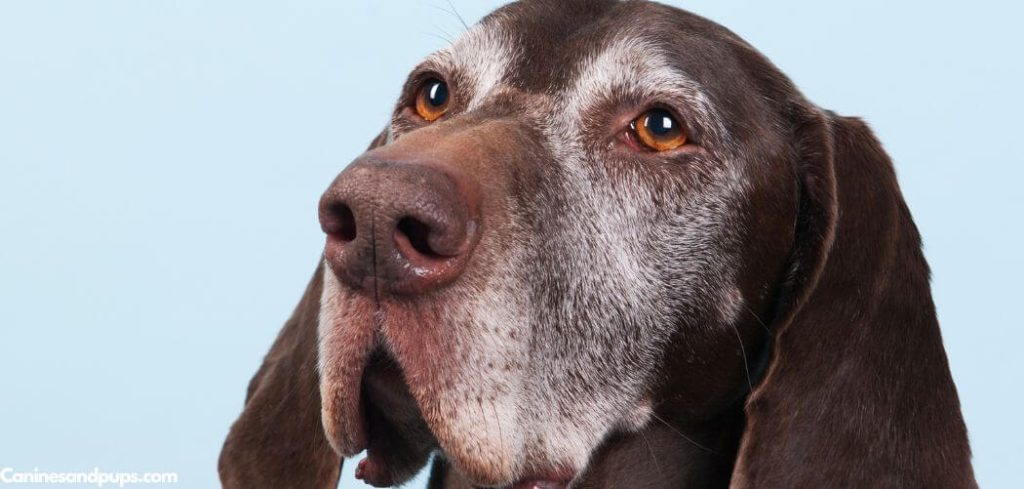
Old Dog Gums White: Signs
If your old dog has white gums, you may also notice:
Pale, white, or grayish gum color
Weakness or lethargy
Rapid or shallow breathing
Cold ears or paws
Loss of appetite
Collapse or difficulty standing
Increased heart rate
Vomiting or signs of internal distress
Delayed capillary refill time (gums stay pale after pressing)
Read more: Old Dog Gums (What gum color says about health)
Old Dog Gums White: Common Causes
Anemia
Anemia is one of the most common causes of white gums in an old dog. This condition occurs when there are not enough red blood cells to carry oxygen throughout the body.
In senior dogs, anemia can develop due to chronic disease, blood loss, or bone marrow issues. As oxygen delivery decreases, the gums lose their healthy pink color and appear pale or white.
Dogs with anemia often seem weak, tire easily, and may show reduced interest in food or activity. The condition can worsen gradually or develop more quickly depending on the cause.
Read more: Old Dog Gums Black (Signs you shouldn’t ignore)
Internal Bleeding
Internal bleeding is a serious and potentially life-threatening cause of white gums. Blood loss inside the body reduces the amount of circulating blood, leading to pale gums and weakness.
This can occur due to trauma, ruptured tumors, or bleeding disorders. In older dogs, certain types of internal masses can rupture without warning, causing sudden symptoms.
Dogs may appear weak, restless, or collapse as the condition progresses. This is an emergency situation that requires immediate veterinary care.
Shock
Shock occurs when the body is unable to maintain proper blood circulation and oxygen delivery. It can result from injury, severe infection, or internal bleeding.
When a dog is in shock, the gums often become pale or white, and the dog may appear weak, disoriented, or unresponsive.
This condition can progress rapidly and is always considered a medical emergency.
Heart Disease
Heart problems can affect how efficiently blood is pumped throughout the body. In older dogs, heart disease may lead to reduced circulation, which can cause gums to appear pale.
As the heart struggles to deliver oxygen-rich blood, tissues—including the gums—may lose their normal color.
Dogs with heart issues may also show signs like coughing, fatigue, or difficulty breathing.
Chronic Kidney or Liver Disease
Organ diseases such as kidney or liver problems can lead to anemia or toxin buildup in the body.
Over time, these conditions affect blood quality and circulation, resulting in pale gums and reduced energy levels.
These diseases often develop gradually, and white gums may appear alongside other symptoms like weight loss, vomiting, or changes in drinking and urination.
Parasites or Blood Loss
Parasites such as fleas, ticks, or internal worms can cause blood loss, especially in vulnerable or older dogs.
Over time, this loss can lead to anemia and pale gums. While this is more common in younger or neglected dogs, it can still affect seniors.
In these cases, additional signs like itching, visible parasites, or digestive issues may be present.
Oxygen Level Issues
Conditions that affect oxygen levels in the blood or circulation can cause gums to lose their pink color.
This may include respiratory problems or circulatory disorders that limit oxygen delivery to tissues.
Dogs may also show signs like rapid breathing, weakness, or bluish tinting in severe cases.
Old Dog Gums White: What to Do
If your old dog has white gums, this should be treated as urgent until proven otherwise. Start by checking your dog’s overall condition, including energy level, breathing, and responsiveness.
Keep your dog calm and avoid unnecessary movement, especially if they seem weak or unstable.
Ensure they are in a comfortable, safe space while you assess the situation, but do not delay seeking help if symptoms are significant.
Do not attempt to treat the issue at home without guidance, as white gums are usually a sign of an underlying medical problem that requires professional care.
Contact your veterinarian immediately for advice on the next steps.
When to Call or Visit Your Vet
White gums in an old dog are almost always a reason to call your vet right away.
If your dog is weak, collapsing, or having difficulty breathing, this is an emergency and requires immediate care.
Sudden pale gums, especially if accompanied by vomiting, restlessness, or abdominal swelling, may indicate internal bleeding.
If your dog is lethargic, not eating, or showing signs of illness along with pale gums, they should be evaluated as soon as possible.
Any delay in treatment can lead to worsening of the condition, so prompt action is critical.
Old Dog Gums White: Treatment
Veterinary treatment for white gums in an old dog focuses on identifying and addressing the underlying cause.
Your vet may perform blood tests to check for anemia, infection, or organ function.
Imaging such as X-rays or ultrasound may be used to detect internal bleeding or masses.
Treatment may include fluids, oxygen therapy, medications, or in severe cases, blood transfusions.
If a specific condition is diagnosed, such as heart disease or organ failure, targeted treatment will be recommended.
Key Takeaway
White gums in an old dog are a serious warning sign that should never be ignored.
They often indicate problems with blood circulation, oxygen levels, or underlying illness that require immediate attention.
Acting quickly and seeking veterinary care can make a life-saving difference, so if you notice pale gums, don’t wait—get your dog checked right away.