
Pale gums in an old dog can be a serious and sometimes urgent warning sign. Healthy dog gums are typically pink, so when they appear pale, white, or grayish, it often means something is affecting blood flow, oxygen levels, or overall circulation.
Table of Contents
What Do Pale Gums Look Like in Old Dogs?
Healthy dog gums are typically bubblegum pink, moist, and warm. Pale gums can appear light pink, chalky, gray, or almost white. In some cases, they may look bluish or dull rather than vibrant.
Pale gums may be present all the time or fluctuate—looking worse during rest, illness, or after activity.
You may also notice other signs such as weakness, lethargy, rapid breathing, reduced appetite, cold extremities, or collapse.
Even if your dog seems “mostly normal,” gum color changes should not be ignored.
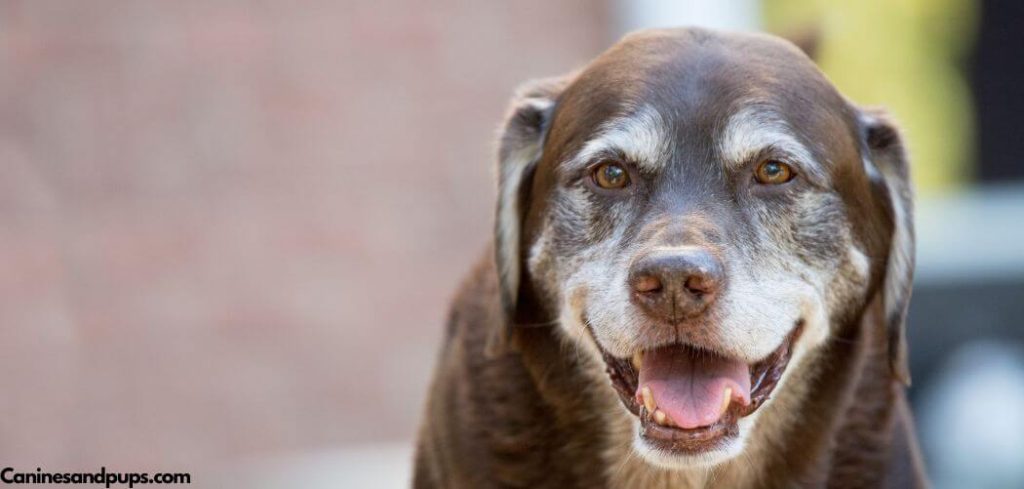
Old Dog Gums Pale: Why It Happens
Old dog gums appear pale because there is reduced blood flow or a decreased number of red blood cells, meaning less oxygen is being delivered to tissues, which causes the gums to lose their normal pink color.
Common causes include anemia, blood loss, poor circulation, or underlying disease. When dogs age, they become more vulnerable to conditions that affect the blood, heart, and internal organs.
Old Dog Gums Pale: Symptoms
If your old dog has pale gums, you may notice:
Gums that look white, gray, or very light pink
Lethargy or unusual tiredness
Weakness or collapse
Rapid or shallow breathing
Cold extremities (ears or paws)
Loss of appetite
Increased heart rate
Dizziness or unsteadiness
Old Dog Gums Pale: Common Causes
Anemia (Low Red Blood Cell Count)
Anemia is one of the most common causes of pale gums in dogs. Red blood cells are responsible for carrying oxygen throughout the body, and when their numbers drop, the gums lose their healthy pink color.
In older dogs, anemia can develop due to chronic disease, internal bleeding, or bone marrow problems.
This condition often develops gradually, but as it progresses, your dog may become increasingly weak, tired, and less active. Even mild exertion can lead to fatigue because the body isn’t receiving enough oxygen.
In some cases, anemia may not be obvious until symptoms become more severe, making pale gums an important early warning sign.
Read more: Old Dog Fainting Spells (When to worry)
Internal Bleeding
Internal bleeding can cause a sudden and dangerous drop in blood levels. This may result from trauma, tumors, or conditions affecting the spleen or other organs. Because the bleeding is internal, it may not be immediately visible.
As blood is lost, the gums become pale due to reduced circulation. Your dog may also appear weak, collapse, or show signs of abdominal discomfort. This is a medical emergency that requires immediate attention.
Heart Disease
Heart problems can affect how blood is pumped throughout the body. If the heart is not functioning properly, circulation becomes less efficient, and tissues may not receive enough oxygen-rich blood.
In older dogs, heart disease can develop gradually and may lead to symptoms like fatigue, coughing, or breathing changes alongside pale gums.
This reduced circulation can make the gums appear lighter than normal, especially during periods of stress or activity.
Shock (Emergency Condition)
Shock is a life-threatening condition that affects blood flow and oxygen delivery.
It can result from injury, severe illness, or sudden internal problems. When a dog goes into shock, blood is redirected away from less critical areas, causing the gums to become pale or white.
Dogs in shock may appear weak, disoriented, or unresponsive, and their breathing and heart rate may change rapidly. This condition requires immediate veterinary care.
Dehydration
Severe dehydration can affect blood volume and circulation. When the body lacks adequate fluids, blood becomes more concentrated, and circulation may be compromised, leading to pale or dry gums.
Older dogs are more prone to dehydration due to reduced thirst or underlying health issues.
You may also notice sunken eyes, dry nose, or reduced skin elasticity.
Chronic Illness or Organ Disease
Underlying health conditions can affect blood production and circulation. Diseases of the kidneys, liver, or bone marrow can interfere with the body’s ability to produce or maintain healthy blood cells.
In older dogs, these conditions often develop slowly and may not show obvious signs at first. Pale gums can be one of the earliest visible indicators.
Additional symptoms may include weight loss, reduced appetite, or behavioral changes.
Parasites or Blood Loss
Parasites like fleas or internal worms can cause blood loss over time.
While less common in older, well-cared-for dogs, heavy infestations can still lead to anemia and pale gums. This is more likely if your dog has not been on regular parasite prevention.
Read more: Old Dog Dying Symptoms (What to expect)
Old Dog Gums Pale: What to Do
Start by checking your dog’s gums in good lighting to confirm the color change. Healthy gums should be pink and moist, so any pale or white appearance should be taken seriously.
Keep your dog calm and limit activity, as exertion can worsen symptoms if oxygen levels are low.
Ensure your dog has access to fresh water, but do not attempt to treat the condition at home without veterinary guidance.
Observe for other symptoms such as weakness, breathing changes, or collapse.
Most importantly, treat pale gums as a warning sign rather than waiting to see if it improves.
When to Call or Visit Your Vet
If your old dog has pale gums, you should contact your veterinarian immediately. This symptom often indicates a potentially serious underlying issue.
Seek emergency care if your dog is weak, collapsing, or has difficulty breathing. These signs suggest a critical condition affecting oxygen delivery.
You should also act quickly if pale gums are accompanied by vomiting, bleeding, or sudden behavior changes.
Even mild but persistent paleness should be evaluated as soon as possible.
Old Dog Gums Pale: Treatment
Treatment for old dog gums appearing pale depends on the cause. Your vet may perform blood tests to check red blood cell levels and identify anemia.
If internal bleeding is suspected, imaging tests may be needed to locate the source. Treatment may include fluids, medications, or in severe cases, blood transfusions.
For heart or organ-related conditions, long-term management and medication may be required.
Immediate diagnosis is essential to stabilize your dog and address the underlying issue.
Key Takeaway
An old dog’s gums appearing pale is a serious symptom that should never be ignored.
It often signals problems with blood flow, oxygen levels, or underlying disease.
Acting quickly and seeking veterinary care can be life-saving and help ensure your dog receives the treatment they need to recover and stay comfortable.