
Noticing grey hair appearing on your old dog can stir up worry, especially if it seems to show up suddenly or spread faster than expected.
Greying is often a natural part of aging, but in some cases it can signal stress, underlying health changes, or systemic issues that deserve attention.
Old Dog Grey Hair: Why It Happens
Grey hair in old dogs develops when pigment-producing cells in the hair follicles slow down or stop functioning altogether.
This change is most commonly linked to natural aging, but it can also be influenced by chronic stress, hormonal shifts, inflammation, or illness.
As dogs age, their bodies prioritize vital functions over cosmetic ones like coat pigmentation.
While greying is often harmless, rapid or uneven changes can sometimes reflect deeper health or emotional factors.
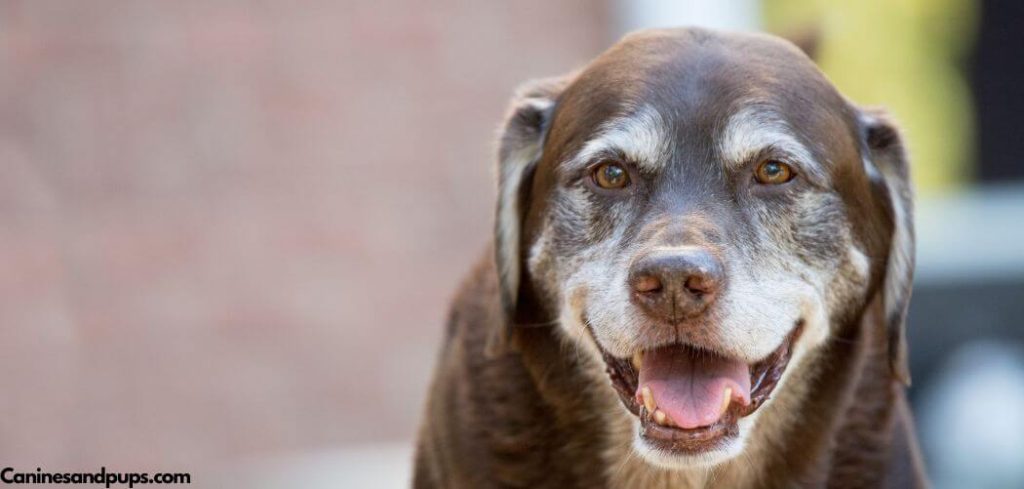
Signs of Old Dog Grey Hair
Grey hair usually begins around the muzzle, eyebrows, and chin before spreading to the face and body. In many dogs, this change happens gradually over years.
Some dogs, however, develop grey hair suddenly or in unusual patterns. You may also notice coat thinning, dryness, changes in texture, or hair loss.
When grey hair appears alongside weight changes, lethargy, anxiety, skin issues, or behavioral shifts, it may point to more than normal aging.
Old Dog Grey Hair: Common Causes
Natural Aging
The most common reason an old dog develops grey hair is simple aging. As dogs grow older, melanocytes—the cells responsible for pigment—become less active or die off.
This leads to hair growing in grey or white instead of its original color. The process is gradual and usually starts around the muzzle.
In these cases, greying is purely cosmetic and not painful or harmful. Many dogs remain perfectly healthy despite a steadily greying coat.
Read more: Old Dog Losing Hair (Why it happens)
Stress
Long-term stress can significantly accelerate greying in dogs. Elevated stress hormones interfere with pigment production and can cause hair to lose color faster than normal aging alone.
Dogs experiencing chronic anxiety may develop grey hair earlier or more suddenly, especially around the face.
Stress-related greying is often accompanied by pacing, restlessness, changes in sleep, clinginess, or increased vocalization.
While not physically dangerous, unmanaged stress can negatively affect overall health.
Hormonal Imbalances
Hormonal disorders can alter coat color and texture in senior dogs. Conditions involving the thyroid or adrenal glands may disrupt normal hair growth cycles and pigment production.
Dogs with hormonal imbalances may show uneven greying, thinning hair, slow regrowth after shedding, or symmetrical hair loss.
These changes often occur alongside weight gain or loss, lethargy, heat or cold intolerance, and skin issues. Hormonal causes require veterinary testing and management.
Inflammation
Inflammation within the body can affect hair follicles over time. Chronic inflammatory conditions may interfere with the nutrients and signals needed for healthy pigment production.
Dogs dealing with long-term inflammation may show premature or patchy greying, along with joint stiffness, digestive upset, or recurring infections.
In these cases, grey hair is not the main problem but a visible sign of ongoing internal stress on the body.
Nutritional Deficiencies
Proper pigmentation relies on adequate nutrition. Older dogs may struggle to absorb nutrients as efficiently as they once did, even if they eat well.
Deficiencies in key vitamins, minerals, or proteins can contribute to coat changes, including greying, dullness, and brittleness.
Dogs with digestive disorders, poor appetite, or dental issues may be especially prone to nutrition-related coat changes.
Illness and Systemic Disease
In some cases, grey hair appears or worsens due to chronic disease. Kidney disease, liver disease, cancer, and other systemic illnesses can affect hair growth and pigmentation indirectly.
These dogs often show additional symptoms such as appetite loss, weight loss, increased thirst, weakness, or behavioral changes.
While grey hair itself isn’t dangerous, its presence alongside other symptoms should prompt further evaluation.
Old Dog Grey Hair: What to Do
Start by observing how the greying developed. Gradual, even greying over time is usually normal and doesn’t require treatment.
Focus on supporting overall health with a balanced, age-appropriate diet, regular gentle exercise, and a calm daily routine. Reducing stress through predictable schedules, enrichment, and comfort can slow stress-related greying and improve quality of life.
Keep up with routine veterinary checkups so subtle changes don’t go unnoticed. If coat changes occur suddenly or unevenly, note any additional symptoms to share with your vet.
Avoid supplements unless recommended by a veterinarian, as unnecessary or excessive supplementation can cause harm.
When to Call or Visit Your Vet
You should consult your veterinarian if grey hair appears suddenly or progresses very rapidly. Sudden changes are more concerning than gradual aging-related greying.
Schedule a veterinary visit if greying is accompanied by lethargy, appetite changes, weight fluctuations, hair loss, skin problems, or behavioral shifts. These signs may indicate hormonal, nutritional, or systemic issues.
Immediate evaluation is especially important if your dog seems unwell overall, as early diagnosis can significantly improve outcomes and comfort.
Old Dog Grey Hair: Treatment
Treatment is usually not necessary for grey hair in an old dog, as it is typically a normal aging change.
If an underlying condition such as a hormonal imbalance is suspected, your vet may recommend testing and treatment.
Maintaining regular checkups helps ensure your dog’s overall health as they age.
Key Takeaway
Grey hair in an old dog is often a natural and harmless sign of aging, reflecting normal changes in pigment production over time. However, when greying appears suddenly, spreads rapidly, or occurs alongside other symptoms, it may signal stress, hormonal imbalance, or underlying illness.
By paying attention to timing, patterns, and accompanying changes, you can better understand whether your dog’s grey hair is simply cosmetic or a clue worth investigating.
Supporting overall health and involving your veterinarian when needed helps ensure your senior dog stays comfortable and well as they age.