
Noticing sticky discharge or “goopy” eyes in your old dog can be concerning, especially if it appears suddenly or keeps coming back.
Mild eye discharge can be normal, but persistent or excessive goop is often a sign of irritation, infection, or underlying eye conditions.
Goopy Eyes in Old Dogs: What It Means
Eye discharge varies widely. It can be clear and watery, white or gray and mucous-like, yellow or green and thick, or dry and crusty. Discharge may be present in one eye or both, appear mostly after sleep, or accumulate throughout the day.
You may also notice redness, squinting, blinking more than usual, pawing at the face, or hair loss around the eyes from constant moisture.
Patterns matter: color, consistency, amount, and whether your dog seems uncomfortable all provide clues to the cause.
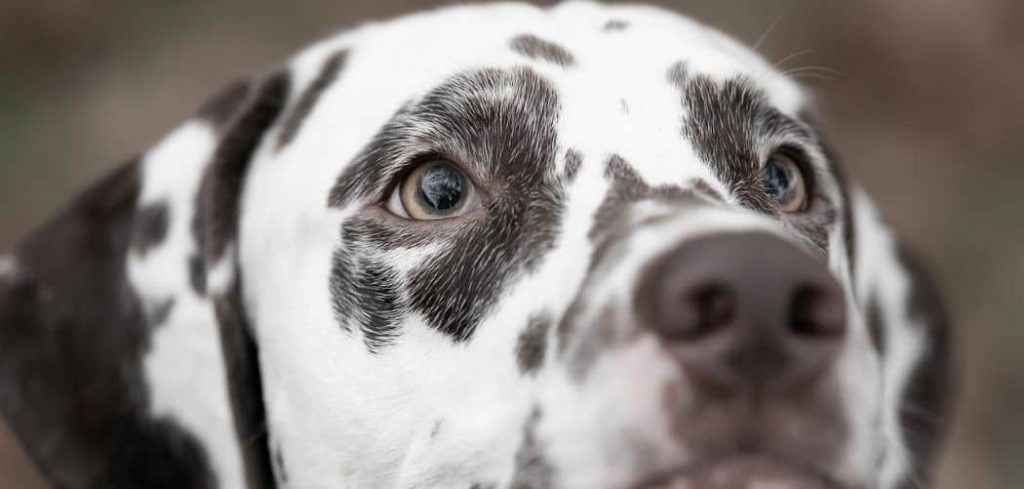
Old Dog Goopy Eyes: Why It Happens
Old dog goopy eyes happen when tears, mucus, or discharge build up due to irritation, inflammation, or blockage, leading to visible buildup around the eyes that may be clear, white, yellow, or green.
Causes include infections, tear drainage issues, allergies, or age-related eye changes.
Is It Normal for Old Dogs to Have Goopy Eyes?
Mild discharge can occur with age, but persistent, thick, colored, or worsening eye goop is not a normal part of aging. Senior dogs are more prone to the conditions that cause eye discharge, yet the discharge itself always reflects a change in eye health.
Any discharge that lasts more than a short period, or is accompanied by redness, pain, or behavior changes, deserves evaluation.
Old Dog Goopy Eyes: Symptoms
If your old dog has goopy eyes, you may notice:
Sticky or crusty discharge around the eyes
Clear, white, yellow, or green eye discharge
Redness or irritation in the eyes
Squinting or blinking more than usual
Pawing or rubbing at the eyes
Watery eyes or tear staining
Swelling around the eye area
Sensitivity to light
Read more: Old Dog Eyes (Common senior dog eye problems)
Old Dog Goopy Eyes: Common Causes
Conjunctivitis (Eye Infection)
Conjunctivitis is one of the most common causes of goopy eyes in dogs. It occurs when the lining of the eye becomes inflamed due to bacteria, viruses, or irritants.
This inflammation leads to increased discharge, which may appear thick, sticky, and yellow or green in more severe cases.
Older dogs may be more prone to infections because their immune systems are less effective at fighting off bacteria. You may also notice redness, swelling, and frequent blinking.
Without treatment, conjunctivitis can worsen and cause discomfort or complications.
Read more: Old Dog Going Blind (What it could mean)
Blocked Tear Ducts
Tear ducts help drain excess tears away from the eyes. When these ducts become blocked or less efficient, tears and mucus can accumulate, leading to visible discharge or “goopy” buildup.
In older dogs, tear drainage can decline naturally, causing chronic watery or sticky eyes. This is often seen as staining or crust forming around the inner corners of the eyes.
While not always painful, it can lead to irritation if not managed.
Dry Eye
Dry eye occurs when the eyes don’t produce enough tears. Without adequate lubrication, the eyes become irritated and produce thick mucus as a protective response. This often appears as sticky or stringy discharge.
Older dogs are more prone to this condition due to changes in tear production. You may also notice redness, squinting, or a dull appearance in the eyes.
Dry eye can become serious if untreated, potentially leading to damage to the eye surface.
Allergies
Allergies can cause eye discharge along with other symptoms. Dust, pollen, smoke, or household chemicals can irritate the eyes, leading to increased tearing and mild discharge.
In these cases, the discharge is often clear or slightly cloudy, and your dog may also rub their eyes or show signs of general itchiness.
Older dogs may become more sensitive to environmental triggers over time.
Eye Injury
Injuries to the eye can lead to discharge as the body tries to protect and heal the area.
Scratches, debris, or trauma can damage the surface of the eye, causing pain, redness, and increased discharge.
Dogs with eye injuries often squint, avoid light, or paw at their eyes. The discharge may become thicker if infection develops.
This condition requires prompt veterinary care to prevent complications.
Glaucoma or Increased Eye Pressure
Glaucoma can cause changes in the eye that lead to discharge. As pressure builds up inside the eye, it can cause irritation, redness, and fluid changes that result in visible discharge.
This condition is often painful and may also cause swelling, cloudiness, or behavioral changes.
Because glaucoma can lead to permanent damage quickly, it is considered an emergency.
Age-Related Eye Changes
Natural aging can lead to subtle changes in the eyes. Older dogs may develop mild discharge due to reduced tear quality, slower blinking, or minor irritation.
This type of goopy eye discharge is usually mild and not accompanied by redness or discomfort.
However, distinguishing normal aging from a medical issue can be difficult without evaluation.
Old Dog Goopy Eyes: What to Do
Start by gently cleaning your dog’s eyes using a soft, damp cloth to remove discharge.
Always wipe from the inner corner outward and use a clean section of the cloth for each eye.
Keep the area around the eyes dry and free from buildup to prevent irritation. Avoid using human eye drops or medications unless directed by your veterinarian.
Monitor the color and consistency of the discharge, as changes can indicate infection.
If your dog is rubbing their eyes, try to prevent further irritation by keeping the area clean and minimizing exposure to irritants.
When to Call or Visit Your Vet
If your old dog has persistent or worsening goopy eyes, it’s important to contact your veterinarian.
Ongoing discharge often indicates an underlying issue. Seek immediate care if the discharge is yellow or green, or if your dog shows signs of pain such as squinting or pawing at the eyes.
These symptoms may indicate infection or injury.
You should also consult your vet if the eyes appear red, swollen, or cloudy, or if vision seems affected. Sudden changes in the eyes should always be taken seriously.
Old Dog Goopy Eyes: Treatment
Treatment for old dog goopy eyes depends on the cause. Eye infections are typically treated with medicated eye drops or ointments to reduce inflammation and eliminate bacteria.
Blocked tear ducts may require flushing or ongoing management. Dry eye often requires long-term treatment with tear-stimulating medications and lubricating drops.
If injury or glaucoma is involved, more urgent and specialized treatment will be necessary.
Your veterinarian may perform eye tests to determine the exact cause and best treatment plan.
Key Takeaway
Old dog goopy eyes are common but should not be ignored, especially if they persist or worsen.
While some discharge is harmless, changes in color, amount, or behavior can signal underlying problems.
By keeping the eyes clean and seeking veterinary care when needed, you can help protect your dog’s comfort and vision as they age.