
Watching your old dog suddenly fall down while walking can be upsetting and confusing, especially if it happens more than once.
Occasional slips can happen, but repeated falls are often a sign of underlying health or mobility issues that need attention.
Old Dog Falls Down When Walking: Why It Happens
An old dog falls down when walking because their body can no longer maintain proper balance, strength, or coordination, often due to joint problems, neurological decline, weakness, or balance issues related to aging.
When dogs get older, their muscles weaken, their coordination declines, and conditions affecting the spine, brain, or inner ear become more common.
In many cases, it’s not just clumsiness but a physical limitation that affects how your dog moves and stabilizes themselves.
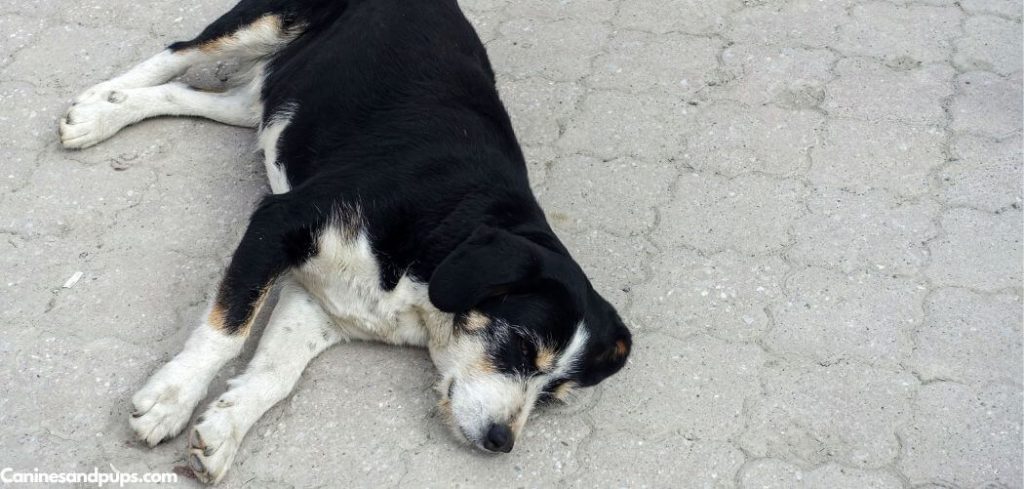
Old Dog Falls Down When Walking: Symptoms
If your old dog falls down when walking, you may notice:
Sudden collapsing or stumbling during walks
Difficulty maintaining balance or standing
Wobbling or swaying (especially in the back legs)
Slipping on smooth surfaces more than usual
Weakness in one or more limbs
Dragging paws or knuckling
Hesitation when walking or climbing
Falling more frequently over time
Old Dog Falls Down When Walking: Common Causes
Arthritis and Joint Degeneration
Arthritis is one of the most common causes of mobility issues in older dogs. Over time, the cartilage that cushions your dog’s joints wears down, leading to inflammation, stiffness, and pain.
This makes it harder for your dog to move smoothly and maintain stability, especially on uneven or slippery surfaces.
When joints become painful, dogs may shift their weight awkwardly or hesitate mid-step, increasing the risk of losing balance and falling. This is often worse after rest or during colder weather, when stiffness is more pronounced.
Related: Old Dog Fainting Spells (Why it happens)
Muscle Weakness
As dogs age, they naturally lose muscle mass and strength. This gradual decline, known as muscle atrophy, affects their ability to support their body weight and maintain coordination.
The back legs are often the most affected, which is why many older dogs appear wobbly or unstable.
Even simple movements like turning, standing up, or walking for extended periods can become physically demanding, leading to sudden falls when the muscles can no longer keep up.
Neurological Conditions
Problems affecting the brain, spinal cord, or nerves can disrupt coordination and balance.
Conditions such as degenerative myelopathy, spinal cord compression, or age-related neurological decline can interfere with how signals travel between the brain and limbs.
This can result in uncoordinated movement, delayed reactions, or weakness in the legs. Dogs may appear confused about where their feet are placed, sometimes dragging or crossing their legs before losing balance.
Related: Old Dog Neurological Problems (Signs to watch out for)
Vestibular Disease
The vestibular system controls balance and spatial orientation. In older dogs, vestibular disease can cause sudden and dramatic balance issues, making your dog appear dizzy or unable to walk straight. This often leads to falling, circling, or tilting the head.
Dogs with vestibular problems may also have rapid eye movements, nausea, or difficulty standing without support. Episodes can appear suddenly but may improve over time with proper care.
Related: Old dog vestibular disease (Signs, causes and treatment)
Inner Ear Problems or Infections
Issues within the inner ear can directly affect your dog’s balance. Infections, inflammation, or age-related degeneration in this area can disrupt the signals responsible for maintaining equilibrium.
Unlike general weakness, this type of problem often causes a noticeable loss of balance, with your dog leaning, falling to one side, or appearing disoriented while walking.
Pain or Injury
Pain can significantly alter how your dog moves. If your dog is experiencing discomfort from an injury or chronic condition, they may walk unevenly or avoid putting weight on a specific limb. This imbalance can easily lead to falls.
Sometimes, the injury may not be obvious, especially in older dogs who tend to hide pain. Subtle changes in movement or posture can be early warning signs.
Fainting Episodes
In some cases, falling while walking may actually be related to fainting rather than mobility issues.
Heart problems or sudden drops in blood pressure can cause brief loss of consciousness, leading to collapse during activity.
These episodes may look like a fall but are often accompanied by quick recovery, weakness, or signs like pale gums or heavy breathing.
Old Dog Falls Down When Walking: What to Do
Start by observing when and how your dog is falling. Notice whether it happens during activity, after rest, or seemingly at random, as this can help narrow down the cause.
Make your home safer by minimizing slipping hazards. Adding rugs, mats, or traction surfaces can help your dog maintain better footing, especially on tile or hardwood floors.
Encourage gentle, controlled movement rather than long or strenuous walks. Short, frequent walks are often easier on older joints and muscles.
Provide supportive bedding and ensure your dog has an easy place to rest without needing to climb or jump.
If needed, you can use a harness or support sling to help your dog stay stable during walks, especially if the back legs are weak.
When to Call or Visit Your Vet
If your old dog falls down when walking more than once, it’s important to consult your veterinarian.
Repeated falls are not a normal part of aging and usually indicate an underlying issue.
Seek immediate veterinary attention if your dog cannot stand, appears disoriented, or shows signs of severe weakness.
These symptoms can point to neurological or serious systemic problems.
If falling is accompanied by head tilt, rapid eye movement, or vomiting, this may indicate vestibular disease or an inner ear issue.
You should also act quickly if your dog shows signs of pain, vocalization, or sudden changes in behavior along with falling.
Old Dog Falls Down When Walking: Treatment
Treatment for an old dog falling down when walking depends on the cause. For arthritis or joint issues, your vet may recommend anti-inflammatory medications, joint supplements, and lifestyle adjustments to improve mobility.
Neurological conditions may require imaging, medications, or supportive care depending on severity and progression.
Vestibular disease often improves with supportive treatment, including anti-nausea medications and rest.
If pain or injury is involved, treatment may include pain management, physical therapy, or restricted activity.
In cases related to heart or circulation problems, medications and monitoring will be necessary to stabilize your dog.
Key Takeaway
An old dog falling down when walking is a clear sign that something is affecting their balance, strength, or coordination.
While aging plays a role, frequent falling is not something to ignore.
By identifying the cause early and providing the right support, you can help your dog stay safer, more comfortable, and maintain a better quality of life in their senior years.