
Seeing your old dog standing still and facing a wall can be unsettling, especially if it happens repeatedly or for long periods.
It may seem like odd behavior, but it’s often a sign that something is affecting your dog’s awareness, comfort, or brain function.
What Does “Facing the Wall” Look Like in Old Dogs?
Wall-facing behavior can vary. Some dogs stand inches from a wall and stare at it without moving. Others press their head gently or firmly against the surface. Some dogs wander into corners and remain there, while others repeatedly return to the same spot.
You may notice your dog seems unresponsive during these moments, slow to react to sound or touch, or confused afterward. In many cases, this behavior appears alongside pacing, zoning out, sleep disruption, or house-soiling, clues that point to deeper changes rather than an isolated behavior.
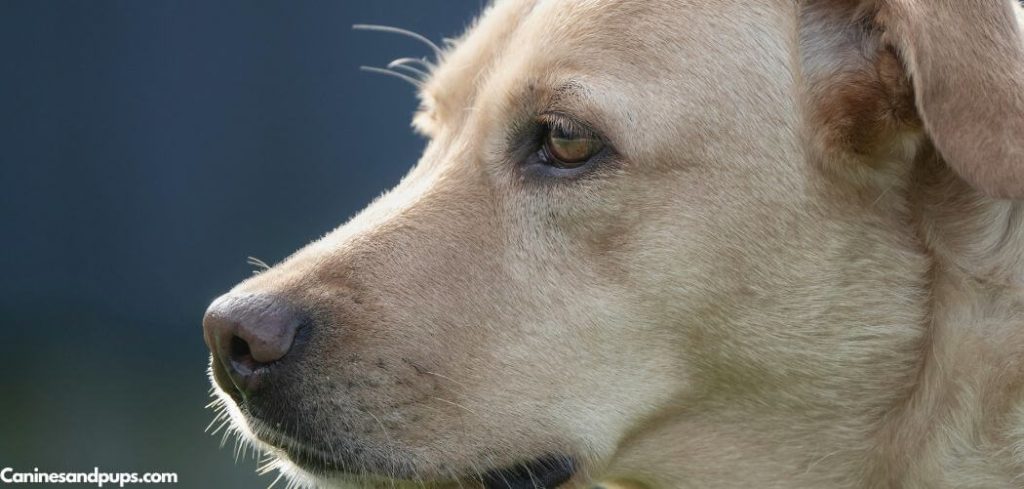
Old Dog Facing Wall: Why It Happens
An old dog facing a wall happens because they may feel disoriented, unable to process their surroundings properly, or physically unable to turn around easily due to pain or neurological issues. In some cases, it can also be a sign of more serious conditions affecting the brain or nervous system.
As dogs age, changes in brain function and awareness can lead to unusual behaviors like staring at walls or getting “stuck” in corners.
Old Dog Facing Wall: Symptoms
If your old dog is facing a wall, you may notice:
Standing still and staring at walls or corners
Appearing “stuck” and unable to turn around easily
Delayed responses when called
Seeming confused or disoriented
Pacing or wandering aimlessly
Changes in sleep patterns
Reduced interaction or awareness
Repeating unusual behaviors throughout the day
Old Dog Facing Wall: Common Causes
Canine Cognitive Dysfunction (Dog Dementia)
Cognitive decline (Canine Cognitive Dysfunction) is one of the most common reasons for this behavior in older dogs.
As the brain ages, changes in memory, awareness, and processing ability can lead to confusion and disorientation. Dogs may forget familiar layouts in the home or struggle to interpret their surroundings.
Facing a wall often happens when the dog becomes “stuck” mentally and physically, unsure of how to move or what to do next. You may notice this more at night or during quiet periods when there is less stimulation.
Over time, this condition can progress, leading to more frequent episodes and additional symptoms like pacing or disrupted sleep.
Related: Old Dog Syndrome (Signs, causes and treatment)
Neurological Disorders
Conditions affecting the brain or nervous system can cause abnormal behaviors like wall-facing.
Brain tumors, inflammation, or other neurological diseases can interfere with normal brain signals, affecting coordination, awareness, and behavior.
In these cases, wall-facing may be accompanied by other signs such as head pressing, circling, loss of balance, or changes in personality. The behavior often becomes more frequent or severe over time.
Because neurological conditions can progress, early evaluation is important.
Related: Old Dog Neurological Problems (Signs to watch out for)
Vision Loss
Older dogs often experience reduced vision or hearing, which can affect how they interact with their environment.
If your dog cannot see clearly, they may accidentally walk toward a wall and hesitate or stop because they’re unsure of what’s ahead.
They may also rely more on touch and memory, which can sometimes lead to confusion if their surroundings feel unfamiliar. This can result in your dog standing still, facing a wall, and appearing unsure how to navigate away.
Pain
Physical discomfort can also play a role in this behavior. If your dog has arthritis or joint pain, turning around in tight spaces may be uncomfortable or difficult.
As a result, they may stop and remain facing a wall simply because repositioning their body causes discomfort.
You may notice stiffness, reluctance to move, or hesitation when changing direction alongside this behavior.
Anxiety
Some older dogs develop anxiety, especially as their senses and confidence decline.
Facing a wall or standing still may be a coping behavior when your dog feels overwhelmed or uncertain.
Changes in routine, environment, or household dynamics can also contribute to this. Your dog may seek quiet, enclosed spaces and then appear stuck or withdrawn.
Head Pressing (Medical Emergency)
In more serious cases, what looks like wall-facing may actually be head pressing.
Head pressing involves a dog pushing their head against a wall or surface, often due to neurological issues such as toxins, brain swelling, or severe illness.
This behavior is different from simple staring and is usually persistent and forceful. It is considered an emergency and requires immediate veterinary attention.
Old Dog Facing Wall: What to Do
Start by observing how often the behavior occurs and how long it lasts.
Occasional confusion may be age-related, but frequent or prolonged episodes should be taken more seriously.
Make your home easier to navigate by keeping furniture in consistent positions and avoiding clutter. Familiar layouts can help reduce confusion and prevent your dog from getting “stuck.”
Gently guide your dog away from walls or corners when you notice the behavior, offering calm reassurance without startling them.
Provide mental stimulation through gentle interaction, toys, or short walks to keep your dog engaged and oriented.
Ensure your dog has comfortable, easily accessible resting areas so they don’t need to navigate tight or awkward spaces.
When to Call or Visit Your Vet
If your old dog frequently faces a wall or appears confused, it’s important to consult your veterinarian.
Behavioral changes in older dogs are often linked to underlying medical conditions.
Seek immediate veterinary care if your dog is pressing their head against the wall, appears unresponsive, or shows signs of severe disorientation.
These can indicate serious neurological problems.
You should also contact your vet if the behavior is worsening, accompanied by changes in appetite, sleep, or mobility, or if your dog seems less aware of their surroundings.
Early evaluation can help identify whether the issue is cognitive, neurological, or physical.
Read more: Old Dog Circling and Pacing (Why it happens)
Old Dog Facing Wall: Treatment
Treatment depends on the underlying cause of your old dog facing a wall.
For cognitive dysfunction, your vet may recommend specialized diets, supplements, and medications to support brain health and slow progression.
If a neurological condition is suspected, diagnostic tests such as imaging or blood work may be needed to determine the cause and appropriate treatment.
For vision loss or mobility issues, management focuses on making your dog’s environment safer and more comfortable.
If anxiety is contributing, behavioral strategies or calming aids may be recommended.
Key Takeaway
An old dog facing a wall is often a sign of confusion, discomfort, or underlying health changes rather than just unusual behavior.
While mild cases may be linked to aging, frequent or persistent episodes should not be ignored.
By paying attention to patterns and seeking veterinary guidance when needed, you can help your dog stay safe, supported, and comfortable as they age.