
If your old dog has sudden or noticeable face swelling, it can be alarming and should always be taken seriously.
Swelling in the face can range from mild puffiness to severe distortion and is often a sign of an underlying issue.
Old Dog Face Swelling: Why It Happens
When an old dog develops face swelling, it’s usually due to inflammation, infection, allergic reactions, or underlying growths.
Common causes include dental abscesses, insect stings, allergic reactions, tumors, or trauma. The swelling may affect one side or both sides of the face depending on the cause.
An old dog with face swelling is often experiencing fluid buildup or tissue inflammation in response to irritation or injury.
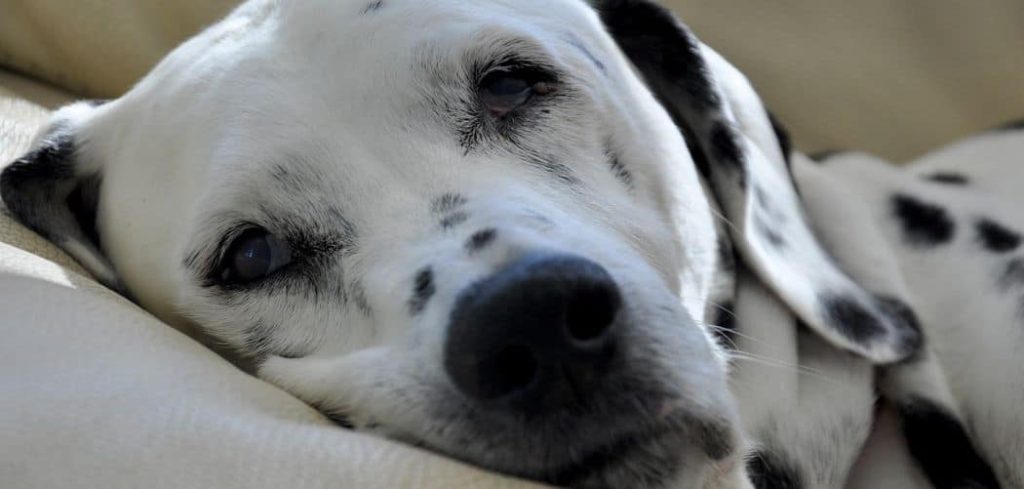
Old Dog Face Swelling: Symptoms
If your old dog has face swelling, you may notice additional signs:
Swelling on one or both sides of the face
Puffy muzzle, cheeks, or around the eyes
Redness or warmth in the swollen area
Pain or sensitivity when touched
Drooling or difficulty eating
Pawing at the face
Bad breath
Lethargy or changes in behavior
Old Dog Face Swelling: Common Causes
Dental Abscess (Tooth Root Infection)
A dental abscess is one of the most common causes of facial swelling in older dogs.
When bacteria infect the root of a tooth, it can lead to a buildup of pus beneath the gum or within the jaw. As pressure increases, the infection spreads into surrounding tissues, causing visible swelling—often on one side of the face, particularly under the eye.
This type of swelling may appear suddenly, even though the dental disease has been developing over time.
Dogs may also show signs like bad breath, reluctance to eat, or sensitivity when the face is touched. If left untreated, the infection can worsen and spread.
Allergic Reaction (Insect Sting or Bite)
Allergic reactions can cause rapid facial swelling, often affecting the muzzle, lips, or around the eyes.
Insect stings, bites, or exposure to allergens can trigger the immune system to release histamines, leading to fluid buildup and inflammation. This type of swelling often appears suddenly and may be accompanied by itching, redness, or hives.
In some cases, swelling can progress quickly and affect breathing, making it a potential emergency. Older dogs may be more sensitive to allergens than before.
Read more: Old Dog Nipples Swollen (Causes explained)
Oral Tumors or Growths
Growths in the mouth or jaw can cause gradual or sometimes sudden swelling of the face.
As tumors grow, they can push against surrounding tissues, disrupt normal structures, and cause inflammation or infection. This leads to visible swelling that may worsen over time.
In older dogs, tumors are a more common concern, and they may also cause symptoms like drooling, bleeding from the mouth, or difficulty eating. Early evaluation is important for proper diagnosis.
Trauma or Injury
Injuries such as bumps, bites, or falls can lead to swelling in the facial area.
Even minor trauma can cause inflammation, bruising, or fluid accumulation under the skin. Older dogs may be more prone to injury due to reduced coordination or mobility.
Swelling from trauma may appear quickly and may be accompanied by tenderness or changes in behavior due to discomfort.
Abscess or Skin Infection
Infections under the skin, not related to teeth, can also cause facial swelling.
These abscesses may develop from small wounds, scratches, or bites that become infected. As bacteria multiply, pus forms and creates a swollen, often painful area.
The swelling may feel warm and may eventually rupture if untreated. Older dogs may have slower healing, increasing the risk of infection.
Salivary Gland Issues
Problems with the salivary glands, such as blockage or leakage, can lead to swelling in the face or neck area.
When saliva accumulates in surrounding tissues, it forms a soft swelling known as a salivary mucocele.
This type of swelling may not be painful but can grow over time and affect your dog’s ability to eat or swallow comfortably.
Lymph Node Enlargement
Lymph nodes located in the face and neck can become enlarged due to infection, inflammation, or cancer.
This enlargement can appear as swelling and may be firm to the touch.
If the cause is systemic, your dog may also show other symptoms such as lethargy, appetite changes, or weight loss.
Read more: Old Dog Foot Swelling (Understanding why it happens)
Old Dog Face Swelling: What to Do
If your old dog has face swelling, start by observing how quickly it appeared and whether it’s getting worse. Sudden swelling often points to allergic reactions or injury, while gradual swelling may suggest infection or growth.
Keep your dog calm and prevent them from scratching or pawing at the swollen area, as this can worsen irritation.
Avoid giving hard food if eating seems painful, and offer soft meals to reduce discomfort.
Do not attempt to treat the swelling with home remedies, especially if the cause is unknown.
Because facial swelling can have serious causes, it’s best to arrange a veterinary visit as soon as possible.
When to Call or Visit Your Vet
If your old dog’s face swelling appears suddenly, you should contact your veterinarian promptly, especially if it worsens quickly.
Seek immediate emergency care if your dog has difficulty breathing, severe swelling, or signs of an allergic reaction.
You should also seek urgent attention if your dog is not eating, appears in pain, or has swelling that continues to grow.
If the swelling is accompanied by discharge, bad breath, or behavioral changes, a full evaluation is necessary.
Old Dog Face Swelling: Treatment
Treatment for an old dog with face swelling depends on the cause. Your vet may perform a physical exam, dental check, or imaging such as X-rays.
Dental abscesses often require tooth extraction and antibiotics. Allergic reactions may be treated with antihistamines or other medications.
Infections are treated with antibiotics and sometimes drainage. Tumors may require biopsy and further treatment such as surgery.
Key Takeaway
Face swelling in an old dog is a visible sign that something is wrong and should never be ignored.
While some causes are mild, others can be serious or even urgent.
By acting quickly and seeking veterinary care, you can help your dog get the treatment they need and stay comfortable and healthy.