
If your old dog’s urine looks darker than usual—deep yellow, brownish, or even tea-colored—it can be a concerning change. While urine color can vary slightly, noticeably dark urine in a senior dog often signals dehydration or an underlying health issue.
Old Dog Dark Urine: Why It Happens
When an old dog has dark urine, it is usually due to concentrated urine, blood, or abnormal substances being filtered by the kidneys.
Changes in hydration, organ function, or the urinary system can all affect urine color. In older dogs, these changes should never be ignored.
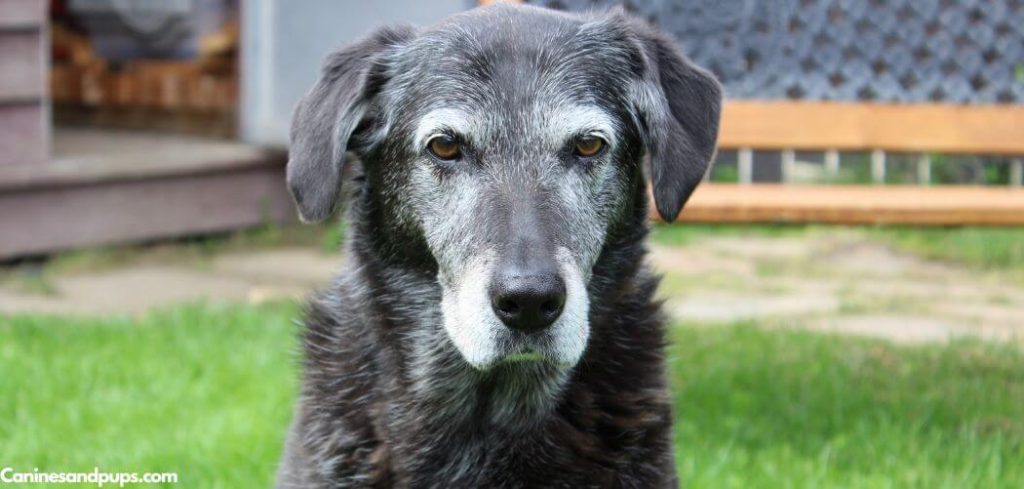
Old Dog Dark Urine: Symptoms
If your old dog has dark urine, you may notice:
Deep yellow, amber, brown, or tea-colored urine
Strong or unusual urine odor
Reduced or increased urination
Straining to urinate
Lethargy or reduced energy
Increased thirst (in some cases)
Loss of appetite
Signs of discomfort when urinating
Old Dog Dark Urine: Common Causes
Dehydration
One of the most common causes of dark urine is dehydration. When your dog isn’t drinking enough water, the urine becomes more concentrated, making it appear darker and stronger-smelling.
Older dogs may drink less due to reduced thirst or underlying health issues, increasing the risk of dehydration.
This is often accompanied by other signs such as dry gums, lethargy, or reduced skin elasticity. Mild dehydration can sometimes be corrected at home, but persistent dehydration requires attention.
Read more: Old Dog Urine Smells Like Fish (What it means)
Urinary Tract Infection (UTI)
A urinary tract infection can cause changes in urine color and appearance.
Bacteria in the urinary system can lead to inflammation, which may result in darker urine, cloudiness, or even blood in the urine.
Dogs with UTIs often urinate more frequently, strain, or have accidents in the house. The color change is due to irritation and possible presence of blood or debris in the urine.
Read more: Old Dog UTI (Signs, causes and treatment)
Blood in Urine (Hematuria)
Dark urine can sometimes indicate the presence of blood, even if it’s not bright red.
Blood can give urine a brownish or tea-like color, especially if it has been in the bladder for a while. This can be caused by infections, stones, trauma, or other urinary tract issues.
This is always a sign that should be evaluated, as it indicates irritation or damage somewhere in the urinary system.
Liver Problems
Liver disease can cause urine to appear darker due to changes in how the body processes waste products.
When the liver is not functioning properly, substances like bilirubin can build up in the body and be excreted in the urine, giving it a dark yellow or brown color.
Dogs with liver issues may also show signs like yellowing of the eyes or gums, reduced appetite, or lethargy.
Kidney Disease
Kidney disease can affect urine concentration and composition.
While early kidney disease often leads to more diluted urine, advanced or fluctuating kidney function can sometimes cause darker urine due to waste buildup or dehydration.
This condition is often accompanied by increased thirst, frequent urination, and changes in appetite or energy levels.
When to Call or Visit Your Vet
If your old dog has dark urine, a veterinary visit is required —especially if it persists.
Seek prompt care if you notice blood, straining, or signs of pain during urination.
If dark urine is accompanied by lethargy, loss of appetite, or increased thirst, this may indicate a more serious condition.
Sudden or severe changes in urine color should not be ignored. Any ongoing change in urination habits or appearance warrants evaluation.
Old Dog Dark Urine: Treatment
Your veterinarian will likely perform a urinalysis and blood tests to determine the cause.
Treatment depends on the underlying issue. Dehydration may require fluid support, while infections are treated with antibiotics.
If liver or kidney disease is present, your vet will recommend a management plan tailored to your dog’s condition.
Early diagnosis can significantly improve outcomes and comfort.
Key Takeaway
Old dog dark urine is not something to ignore—it often signals dehydration or an underlying health issue.
While some causes are mild, others can be serious if left untreated.
By acting early and seeking veterinary care when needed, you can help ensure your dog stays healthy, comfortable, and properly hydrated.