
When your old dog’s back looks curved, hunched, or arched, it can be a worrying change.
Posture can shift slightly with age, but a noticeably curved back in a senior dog often signals pain or an underlying medical issue.
Table of Contents
Old Dog Curved Back: Why It Happens
When an old dog develops a curved or hunched back, it is usually due to pain, muscle changes, or conditions affecting the spine or abdomen. A curved back happens because your dog is trying to relieve pressure or avoid pain by changing how they hold their body.
Dogs naturally adjust their posture to protect areas that hurt, and a curved back is often a protective response to discomfort.
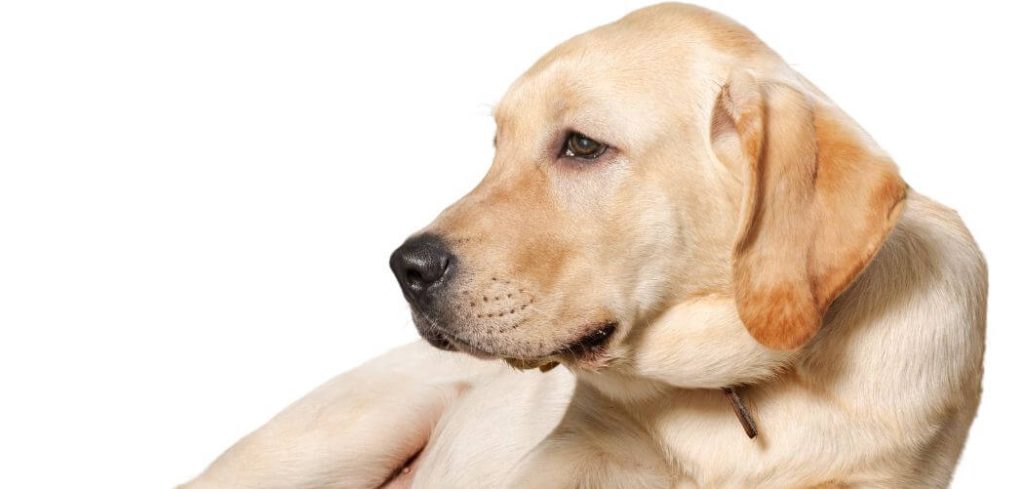
Old Dog Curved Back: Symptoms
If your old dog has a curved back, you may notice:
Hunched or arched posture
Reluctance to move or stretch
Stiffness, especially after rest
Difficulty lying down or getting up
Reduced activity or energy
Sensitivity when touched along the back or abdomen
Changes in gait or walking pattern
Signs of discomfort or restlessness
Old Dog Curved Back: Common Causes
Back Pain or Spinal Issues
One of the most common causes of a curved back is pain along the spine. Conditions such as degenerative disc disease, spinal arthritis, or general wear and tear can cause discomfort that makes your dog arch their back.
This posture reduces pressure on sensitive areas and helps stabilize the spine.
Dogs with spinal pain may move cautiously, avoid jumping, or react when their back is touched. The curved posture is often a constant or recurring sign.
Related: Old Dog Neurological Problems (Signs to watch out for)
Abdominal Pain
A curved or hunched back can also indicate pain in the abdomen. When internal organs are inflamed or uncomfortable—due to issues like digestive upset or organ problems—your dog may hunch to protect the abdominal area.
This posture reduces tension and movement in the belly, which can help ease discomfort.
This cause is often accompanied by other signs such as reduced appetite, vomiting, or restlessness.
Arthritis and Joint Stiffness
Arthritis can affect not just the limbs but also the spine and surrounding muscles.
As joints become stiff and inflamed, your dog may adjust their posture to reduce strain. A curved back can develop as part of this compensation, especially when standing or walking.
This is often more noticeable after periods of rest and may improve slightly once your dog starts moving.
Read more: Old Dog Getting Bonny Back (What it means)
Muscle Weakness
Age-related muscle loss can change your dog’s posture over time. As muscles weaken, especially along the back and core, they provide less support for proper posture. This can cause the spine to appear more curved or hunched.
While this process is gradual, it can become more noticeable in senior dogs, particularly if combined with reduced activity or other health issues.
Injury
A sudden curved back can sometimes result from injury. Strains, sprains, or minor trauma can cause localized pain, leading your dog to adopt a protective posture.
In older dogs, even small injuries can have a significant impact due to reduced flexibility and slower recovery.
If the change in posture appears suddenly, injury should be considered.
Old Dog Curved Back: What to Do
If your old dog has a curved back, start by limiting activities that could worsen discomfort, such as jumping or climbing stairs.
Provide a supportive, comfortable resting area to reduce pressure on the spine and joints.
Encourage gentle movement, such as short walks, to help maintain flexibility without causing strain.
Observe your dog closely for other signs of pain or illness, such as changes in appetite or behavior.
Avoid handling your dog roughly, especially around the back or abdomen.
When to Call or Visit Your Vet
If your old dog’s back is curved, especially if it’s a new or worsening change, a veterinary visit is recommended.
Signs of pain, such as reluctance to move or sensitivity to touch, should be evaluated.
If the curved posture is accompanied by vomiting, loss of appetite, or lethargy, this may indicate internal issues.
Sudden onset of a hunched back should be treated as urgent.
Any persistent change in posture should not be ignored.
Old Dog Curved Back: Treatment
Your veterinarian will assess your dog’s spine, posture, and overall health.
Diagnostic tests such as X-rays or blood work may be recommended to identify the cause.
Treatment may include pain management, anti-inflammatory medications, or supportive therapies.
If an underlying condition is found, your vet will tailor treatment accordingly.
The goal is to relieve discomfort and restore as much normal posture and movement as possible.
Key Takeaway
Old dog curved back is usually a sign of pain or discomfort rather than a normal part of aging.
Whether caused by spinal issues, internal discomfort, or muscle changes, it’s important to identify the cause early.
With proper care and veterinary support, you can help your dog feel more comfortable and maintain a better quality of life.