
Hearing your old dog crying at night can be distressing, especially when it seems to come out of nowhere or happens repeatedly.
Nighttime vocalization in senior dogs is often a sign that something isn’t quite right, whether it’s physical discomfort, confusion, or emotional distress.
Old Dog Crying at Night: Why It Happens
An old dog crying at night is commonly linked to pain, cognitive decline, anxiety, or changes in sensory perception that become more noticeable in quiet, dark environments.
As dogs age, conditions like arthritis, canine cognitive dysfunction, and declining vision or hearing can make nighttime confusing or uncomfortable.
Emotional factors such as separation anxiety or increased dependence on owners may also play a role, especially when routines change.
Because nighttime removes distractions, underlying issues often become more noticeable, leading to crying, whining, or restlessness.
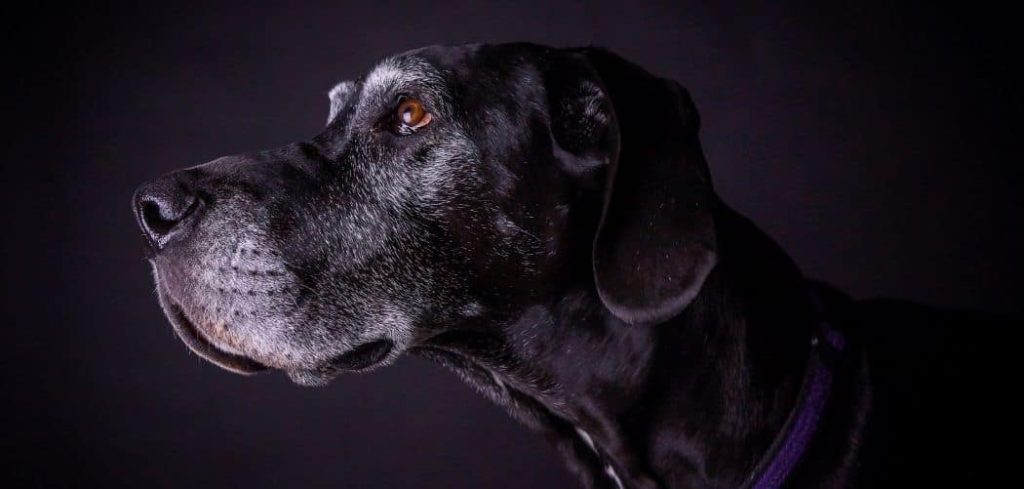
Old Dog Crying at Night: Symptoms
If your old dog is crying at night, you may also notice:
Whining, howling, or barking during nighttime hours
Restlessness or pacing
Difficulty settling down or staying asleep
Confusion or disorientation
Increased clinginess or need for reassurance
Accidents in the house overnight
Changes in appetite or daytime behavior
Signs of pain such as stiffness or reluctance to move
Old Dog Crying at Night: Common Causes
Cognitive Dysfunction Syndrome (Dog Dementia)
One of the most common reasons an old dog cries at night is cognitive dysfunction syndrome, often compared to dementia in humans.
This condition affects memory, awareness, and normal sleep-wake cycles, causing confusion that becomes more pronounced after dark.
Dogs with cognitive decline may wake up disoriented, forget where they are, or fail to recognize familiar surroundings, leading to anxiety and vocalization.
They may also pace, stare at walls, or seem restless during the night, then sleep more during the day, further disrupting their routine.
Because the brain is less able to process environmental cues, nighttime can feel especially unsettling, prompting crying as a way to seek comfort.
Read more: Old Dog Crying (Is this normal or not?)
Pain and Discomfort
Chronic pain is another major cause of nighttime crying in older dogs.
Conditions like arthritis, joint stiffness, or even internal discomfort from organ disease can worsen when your dog is lying still for long periods.
As the body relaxes during sleep, stiffness and inflammation may increase, making it harder for your dog to get comfortable.
This discomfort often leads to restlessness, frequent position changes, or vocalizing as a way of expressing pain.
Because older dogs may not show obvious signs of pain during the day, nighttime crying can sometimes be the first noticeable symptom.
Anxiety and Increased Dependence
Senior dogs often become more emotionally dependent on their owners, which can lead to nighttime anxiety when left alone.
Even dogs that were previously independent may start seeking more reassurance as they age.
If your dog wakes up and doesn’t see or hear you nearby, they may feel insecure or distressed, leading to whining or crying.
Changes in household routine, new environments, or the loss of a companion pet can also trigger or worsen this behavior.
Nighttime quiet amplifies these feelings, making even mild anxiety feel more intense.
Vision or Hearing Loss
Age-related sensory decline can significantly affect how a dog experiences nighttime.
If your old dog has reduced vision, darkness can make familiar spaces feel unfamiliar or even frightening.
Similarly, hearing loss may prevent them from picking up reassuring sounds, leaving them feeling isolated or unsure of their surroundings.
This sensory confusion can cause hesitation, restlessness, or crying, especially if your dog wakes up and feels disoriented.
In some cases, dogs may call out simply to locate you or confirm they are not alone.
Need to Go Outside (Bladder or Digestive Changes)
Older dogs often experience changes in bladder control or digestive function, which can lead to nighttime discomfort.
If your dog needs to urinate or defecate but cannot hold it as long as they used to, they may cry to signal the need to go outside.
Conditions such as urinary tract infections, kidney issues, or age-related incontinence can increase urgency and frequency.
This type of crying is often accompanied by pacing, restlessness, or heading toward the door.
Ignoring these signals can lead to accidents and increased stress for your dog.
Sleep Disturbances
Aging can disrupt a dog’s natural sleep patterns, leading to more frequent waking during the night.
Senior dogs may nap more during the day and struggle to maintain deep sleep at night.
When they wake up, they may feel bored, confused, or restless, leading to vocalization.
This shift in sleep patterns is often gradual but can become more noticeable over time.
Combined with other age-related changes, it can significantly affect nighttime behavior.
Underlying Medical Conditions
Certain health issues, such as heart disease, respiratory problems, or gastrointestinal discomfort, can also cause nighttime crying.
These conditions may become more noticeable when your dog is lying down or trying to rest.
For example, breathing difficulties can worsen at night, causing discomfort and anxiety that leads to vocalization.
Similarly, internal discomfort or nausea can prevent your dog from settling, resulting in whining or pacing.
Because these issues may not always be obvious during the day, nighttime symptoms should be taken seriously.
Read more: Old Dog Pacing at Night (What’s causing it?)
What to Do If Your Old Dog Is Crying at Night
If your old dog is crying at night, start by creating a calm, predictable bedtime routine to help them feel secure.
Ensure their sleeping area is comfortable, warm, and easy to access, especially if mobility is an issue. Orthopedic bedding can help relieve pressure on joints and improve comfort.
Try to keep your dog close to you at night if possible, as proximity can reduce anxiety and provide reassurance, particularly for dogs experiencing cognitive decline or sensory loss.
Limit daytime naps slightly and encourage gentle activity during the day to help regulate their sleep cycle and promote better rest at night.
If your dog may need to go outside, consider a scheduled late-night bathroom break to reduce discomfort and prevent overnight accidents.
When to Call or Visit Your Vet
If your old dog’s nighttime crying is sudden, persistent, or worsening, it’s important to consult your veterinarian.
Signs of pain, such as limping, stiffness, or reluctance to move, should always be evaluated.
If your dog appears confused, disoriented, or shows changes in behavior, cognitive dysfunction may need to be assessed.
Seek immediate care if crying is accompanied by breathing difficulties, vomiting, or collapse.
Any significant change in sleep patterns or vocalization in a senior dog warrants a professional evaluation.
Old Dog Crying at Night: Treatment
Veterinary treatment for an old dog crying at night depends on identifying the underlying cause and addressing it appropriately.
Your veterinarian may begin with a full physical examination and discuss your dog’s behavior, sleep patterns, and any other symptoms you’ve noticed.
If pain is suspected, medications such as anti-inflammatories or joint support therapies may be prescribed to improve comfort.
For dogs with cognitive dysfunction, specific medications and supplements can help support brain function and reduce confusion and anxiety.
If anxiety is a significant factor, calming medications or behavioral strategies may be recommended.
Diagnostic tests such as blood work or imaging may be used to rule out underlying medical conditions like organ disease or infections.
Treatment plans are often tailored to your dog’s specific needs, with a focus on improving comfort, reducing stress, and restoring better sleep patterns.
Key Takeaway
An old dog crying at night is often a sign that something needs attention, whether it’s physical discomfort, cognitive changes, or emotional distress.
While some causes are manageable with simple adjustments at home, others require veterinary care to ensure your dog’s comfort and well-being.
Paying close attention to patterns, accompanying symptoms, and changes in behavior can help you identify the cause more quickly.
With the right support and care, you can help your senior dog feel safer, more comfortable, and able to rest peacefully through the night.