
When an old dog starts coughing and having diarrhea at the same time, it can be alarming, especially when these symptoms appear suddenly or worsen over a short period.
This combination often signals that something more serious than a simple stomach upset or mild respiratory irritation may be affecting your dog’s health.
Table of Contents
What Is Old Dog Coughing and Diarrhea?
Old dog coughing and diarrhea refers to the occurrence of both respiratory and gastrointestinal symptoms at the same time in a senior dog. While these symptoms may seem unrelated, they can sometimes stem from a shared underlying issue such as infection, systemic inflammation, organ disease (especially heart or liver), parasites, or toxin exposure.
In older dogs, weakened immunity and age-related organ decline make them more vulnerable to multiple symptoms appearing together. This combination should always be taken seriously, particularly if it develops suddenly.
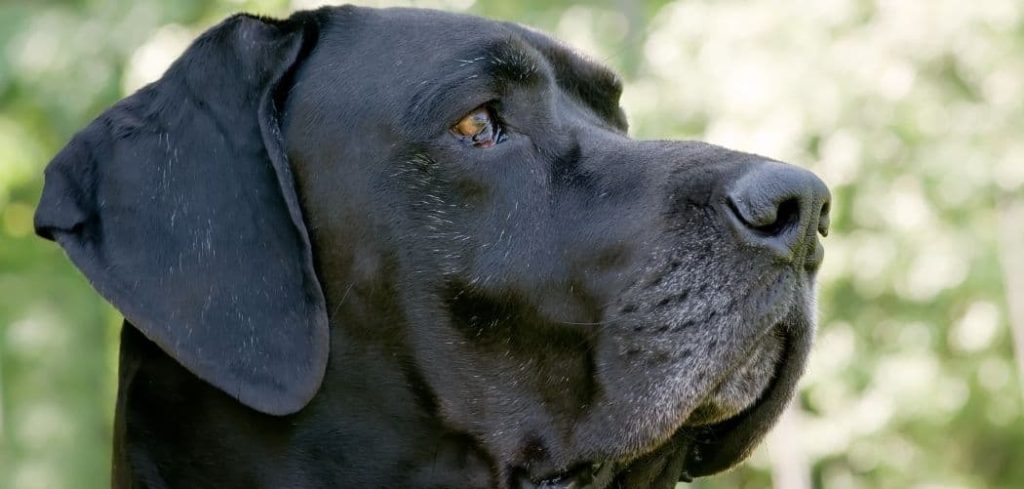
Old Dog Coughing and Diarrhea: Signs
Signs may include:
Persistent hacking, honking, or wet cough.
Loose, watery, or frequent stools.
Lethargy or weakness.
Loss of appetite.
Abdominal discomfort or bloating.
Dehydration (dry gums, sunken eyes).
Labored breathing or restlessness.
Some dogs may seem mildly affected at first, but in senior dogs symptoms can worsen quickly.
Old Dog Coughing and Diarrhea: Why It Happens
Coughing and diarrhea in an old dog usually happen when an underlying illness affects multiple body systems at once, such as the lungs, heart, digestive tract, or immune system. In many senior dogs, age-related organ decline, chronic inflammation, infections, or cancer can disrupt both breathing and digestion at the same time.
Conditions like heart disease, respiratory infections, kidney or liver failure, and systemic inflammation often lead to fluid buildup, poor oxygen delivery, intestinal irritation, and weakened immunity.
As the body struggles to maintain balance, symptoms begin appearing in more than one area. This is why coughing and diarrhea together should never be ignored in an aging dog.
Read more: Old Dog Constant Diarrhea (Signs, causes and treatment)
Old Dog Coughing and Diarrhea: Common Causes
Congestive Heart Failure
One of the most common and serious causes of coughing and diarrhea in senior dogs is congestive heart failure. As the heart weakens with age, it becomes less able to pump blood efficiently throughout the body.
This leads to fluid backing up into the lungs, causing coughing, labored breathing, and exercise intolerance.
At the same time, reduced circulation to the digestive organs can interfere with normal digestion and nutrient absorption, resulting in diarrhea, appetite loss, and weight loss.
Dogs with heart failure may also appear weak, restless at night, unwilling to lie flat, or prone to sudden fatigue. As the disease progresses, toxins accumulate in the bloodstream and further irritate the intestines.
Without treatment, heart failure can worsen rapidly, making this a life-threatening cause that requires immediate veterinary care.
Respiratory Infections
Older dogs have weaker immune systems, making them more vulnerable to bacterial, viral, and fungal infections that affect multiple systems.
Respiratory infections such as pneumonia, bronchitis, or severe kennel cough can cause persistent coughing, nasal discharge, fever, and breathing difficulty. At the same time, systemic inflammation from these infections can upset the digestive tract.
Many dogs with serious respiratory infections develop diarrhea due to inflammation, antibiotic side effects, reduced appetite, and altered gut bacteria.
Some pathogens can directly affect both the lungs and intestines, creating overlapping symptoms.
Dogs may seem lethargic, dehydrated, and uninterested in food as the infection spreads. In senior dogs, even moderate infections can quickly become dangerous if untreated.
Chronic Kidney or Liver Disease
Kidney and liver disease are extremely common in aging dogs and frequently cause both respiratory and digestive symptoms.
When the kidneys fail, waste products accumulate in the bloodstream, leading to nausea, vomiting, diarrhea, dehydration, and weakness.
These toxins can also irritate the lungs and cause abnormal breathing patterns or coughing.
Similarly, liver disease interferes with detoxification and digestion. Bile imbalances, metabolic waste buildup, and low protein production contribute to intestinal inflammation and loose stools.
Fluid retention and anemia associated with liver disease can also strain the respiratory system.
Dogs with organ failure often drink excessively, urinate more, lose weight, and develop dull coats along with coughing and diarrhea.
Cancer Affecting Multiple Organs
Cancer is a major concern in senior dogs and can easily explain coughing and diarrhea occurring together. Lung tumors, metastatic cancers, lymphoma, and abdominal tumors frequently involve more than one organ system.
A tumor in the lungs may cause persistent coughing, while cancer in the intestines or lymph nodes disrupts digestion.
In some cases, cancer spreads through the bloodstream, triggering widespread inflammation and organ dysfunction.
Dogs may experience chronic diarrhea, blood in stool, weight loss, weakness, decreased appetite, and worsening cough over time.
Cancer-related cachexia, which is muscle wasting caused by systemic inflammation, further weakens the dog’s ability to cope. Early detection is critical, as advanced cancer often carries a poor prognosis.
Aspiration Pneumonia from Digestive Disorders
Aspiration pneumonia occurs when stomach contents, food, or saliva accidentally enter the lungs.
This is especially common in older dogs with swallowing problems, acid reflux, neurological decline, or chronic vomiting.
When aspiration happens, bacteria and stomach acid irritate lung tissue, leading to coughing, fever, breathing difficulty, and weakness.
At the same time, the underlying digestive disorder that caused the aspiration often produces diarrhea.
Acid reflux, inflammatory bowel disease, or gastric motility problems can all trigger both symptoms. Dogs may gag, retch, drool excessively, or refuse food. Aspiration pneumonia is a medical emergency and requires rapid veterinary treatment.
Immune-Mediated and Systemic Inflammatory Diseases
Some older dogs develop immune-mediated diseases in which the immune system mistakenly attacks healthy tissues.
Conditions such as inflammatory bowel disease, immune-mediated pneumonia, or vasculitis can affect multiple organs simultaneously.
Chronic immune activation leads to intestinal inflammation, resulting in persistent diarrhea, poor nutrient absorption, and weight loss.
At the same time, inflammation in the airways or lungs causes coughing and breathing discomfort. These dogs may also have joint pain, skin problems, fever, or behavioral changes.
Because immune disorders often progress slowly, symptoms may worsen gradually before becoming obvious. Long-term management and specialized treatment are usually required.
Read more: Old dog sickness and diarrhea (Causes and treatment)
Old Dog Coughing and Diarrhea: What to Do
If your old dog is coughing and having diarrhea, begin by carefully monitoring their overall condition. Observe how often the coughing occurs, whether it is dry or wet, and whether it worsens at night or during activity. Pay attention to stool consistency, color, and frequency, as well as appetite and water intake.
Make sure your dog stays hydrated, especially if diarrhea is frequent. Offer fresh water at all times and consider adding small amounts of electrolyte solution if your veterinarian approves. Dehydration can worsen organ strain and delay recovery.
Provide a calm, warm resting environment with minimal physical exertion. Senior dogs struggling with breathing and digestion need extra rest. Avoid exercise, excitement, or stress until your dog is evaluated.
Offer bland, easily digestible food such as boiled chicken and rice if your dog is still eating and has no vomiting. Do not change diets abruptly or give human medications without veterinary guidance, as many drugs are dangerous for dogs.
Most importantly, schedule a veterinary appointment as soon as possible. Even if symptoms seem mild at first, the combination of coughing and diarrhea in an older dog often reflects serious internal disease.
When to Call or Visit Your Veterinarian
Contact your veterinarian immediately if your dog shows persistent coughing lasting more than 24 hours, worsening diarrhea, or signs of respiratory distress such as rapid breathing, open-mouth breathing, or blue-tinged gums.
Seek urgent care if your dog becomes extremely weak, collapses, refuses all food and water, or shows signs of dehydration such as sunken eyes and dry gums.
Emergency attention is required if you notice blood in the stool, black tarry stools, severe vomiting, high fever, or severe lethargy. These symptoms may indicate internal bleeding, organ failure, or life-threatening infection.
Older dogs with known heart, kidney, liver, or cancer diagnoses should be evaluated immediately when new coughing and diarrhea develop, as this may signal disease progression.
Related: Dog suddenly vomiting and diarrhea (Causes and treatment)
Old Dog Coughing and Diarrhea: Treatment
Veterinary treatment focuses on identifying and addressing the root cause. Diagnostic tests may include bloodwork, chest X-rays, fecal testing, and heart evaluation.
Treatment can involve fluids to prevent dehydration, anti-diarrheal medications, antibiotics (if infection is present), cough suppressants, bronchodilators, or heart medications, depending on the diagnosis.
Because older dogs are more prone to complications such as dehydration, pneumonia, or heart failure, early intervention is critical.
Supportive care, dietary adjustments, and close monitoring often help stabilize the dog while the underlying condition is treated.
Key Takeaway
Coughing and diarrhea in an old dog are rarely harmless symptoms and often point to serious underlying illness affecting multiple organs.
Conditions such as heart failure, infections, organ disease, cancer, and immune disorders commonly cause this troubling combination.
While supportive care at home can help temporarily, professional veterinary evaluation is essential for proper diagnosis and treatment. Acting quickly gives your senior dog the best chance at comfort, stability, and a better quality of life.