
When an old dog keeps circling to the left, it can be concerning—especially if it happens repeatedly or suddenly.
Occasional turning is normal, but persistent circling in one direction is often a sign of an underlying neurological or balance-related issue that needs attention.
Old Dog Circling to the Left: Why It Happens
When an old dog is circling to the left, it is usually due to an imbalance in the brain, inner ear, or nervous system that affects coordination and directional control.
Dogs rely on these systems to maintain balance and orientation, and when one side is affected, they may consistently move in that direction. Circling is not random—it typically reflects a disruption on one side of the body.
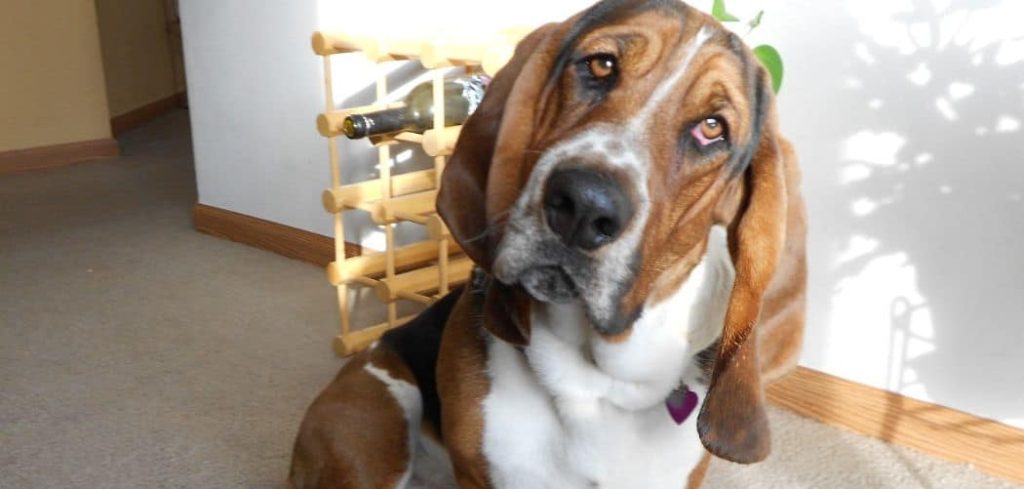
Old Dog Circling to the Left: Symptoms
An old dog circling to the left happens because the body is compensating for a problem affecting balance, coordination, or neurological function.
If your old dog is circling to the left, you may notice:
Repeated turning or circling in one direction
Difficulty walking in a straight line
Head tilt (often toward the same side)
Loss of balance or stumbling
Disorientation or confusion
Walking into walls or objects
Changes in behavior or awareness
Nausea or vomiting (in some cases)
Old Dog Circling to the Left: Common Causes
Vestibular Disease
One of the most common causes of circling to one side in older dogs is vestibular disease, which affects balance and spatial orientation.
The vestibular system, located in the inner ear and brain, helps your dog understand position and movement. When this system is disrupted—especially on one side—it can create a sensation similar to dizziness or vertigo.
As a result, your dog may circle toward the affected side, often accompanied by a head tilt and loss of balance. This condition can appear suddenly and dramatically, but many cases improve with time and supportive care.
Related: Old Dog Vestibular Disease (Signs, causes and treatment)
Brain or Neurological Disorders
Circling in one direction can also be linked to problems within the brain itself.
Conditions such as brain inflammation, tumors, or degenerative diseases can affect specific areas responsible for movement and coordination. When one side of the brain is impacted, it can cause your dog to favor that direction when moving.
Unlike vestibular disease, neurological conditions may develop more gradually or be accompanied by additional signs such as behavioral changes, weakness, or seizures. These cases require prompt evaluation.
Read more: Old Dog Neurological Problems (Signs to watch out for)
Inner Ear Infection
Infections deep within the ear can interfere with the vestibular system and lead to circling behavior.
Bacterial or yeast infections that reach the inner ear can disrupt balance signals, causing your dog to lean or circle toward the affected side.
You may also notice signs such as ear odor, discharge, or sensitivity around the ear. If untreated, these infections can worsen and lead to more severe balance issues.
Cognitive Dysfunction (Dog Dementia)
Cognitive dysfunction can also cause repetitive behaviors like circling.
As the brain ages, changes in memory and awareness can lead to confusion and repetitive movement patterns. Dogs may circle aimlessly or become “stuck” in certain behaviors, especially in familiar environments.
Unlike vestibular causes, circling related to cognitive dysfunction is often less coordinated and may not always be tied to a specific physical imbalance.
Read more: Old Dog Syndrome (Signs, causes and treatment)
Stroke
A sudden onset of circling, especially if severe, can be linked to a stroke or similar neurological event.
This occurs when blood flow to part of the brain is disrupted, leading to immediate changes in movement, balance, and behavior.
Dogs may suddenly start circling, lose coordination, or appear disoriented. This type of situation requires immediate veterinary attention.
Old Dog Circling to the Left: What to Do
If your old dog is circling to the left, the first priority is safety. Keep your dog in a secure, comfortable area to prevent falls or injury.
Limit movement on slippery surfaces and provide support if your dog struggles to walk.
Keep your dog calm and avoid overstimulation, especially if they seem disoriented.
Ensure easy access to food, water, and resting areas so your dog doesn’t have to move excessively.
Even if symptoms seem mild, arrange a veterinary visit as soon as possible to determine the cause.
When to Call or Visit Your Vet
If your old dog is circling to the left, this should always be taken seriously.
Sudden onset of circling, especially with loss of balance, head tilt, or vomiting, requires immediate attention.
If your dog cannot stand, is worsening quickly, or seems severely disoriented, seek emergency care.
Signs like seizures, extreme lethargy, or inability to eat or drink are also urgent.
Even gradual or mild circling should be evaluated, as it often indicates an underlying issue.
Old Dog Circling to the Left: Treatment
The veterinarian performs a neurological and physical exam to determine the cause of circling behavior.
Diagnostic tests may include blood work, ear examination, or imaging studies.
Treatment depends on the underlying cause. Vestibular disease often requires supportive care, while infections may need medication.
Neurological conditions may require more advanced diagnostics and long-term management.
Your vet will focus on stabilizing your dog and addressing the root issue.
Key Takeaway
An old dog circling to the left is not a normal behavior and usually signals a problem with balance or neurological function.
While some causes are treatable and may improve quickly, others require prompt medical attention.
Acting early, ensuring your dog’s safety, and seeking veterinary care can make a significant difference in your dog’s recovery and quality of life.