
Chronic diarrhea in an older dog is never something to ignore, especially when it lasts for weeks or keeps returning despite changes in diet or routine.
Persistent loose stools can slowly drain your dog’s energy, weaken their immune system, and signal serious underlying disease.
What Is Chronic Diarrhea in Old Dogs?
Chronic diarrhea in old dogs refers to loose or watery stools that persist for more than two to three weeks, or that repeatedly return over time. Unlike short-term digestive upset, chronic diarrhea usually signals an underlying medical condition rather than a simple dietary issue.
Because aging dogs have reduced digestive efficiency and weaker immune systems, persistent diarrhea can quickly affect overall health.
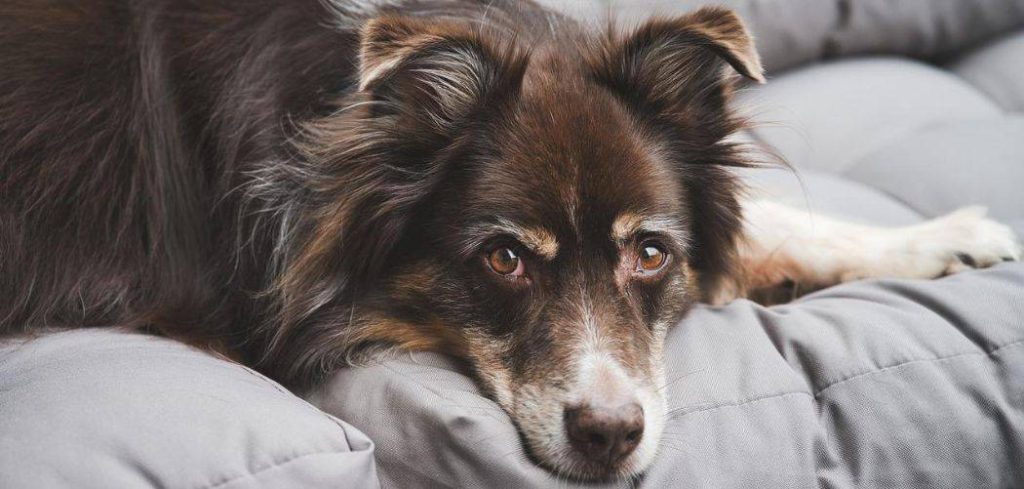
Old Dog Chronic Diarrhea: Why It Happens
Chronic diarrhea in older dogs is most often caused by long-term digestive disease, weakened organ function, immune system disorders, or hidden infections that prevent proper nutrient absorption.
As dogs age, their gastrointestinal tract becomes more sensitive, their immune response slows, and their organs may no longer regulate digestion efficiently. Conditions such as inflammatory bowel disease, pancreatic dysfunction, intestinal tumors, chronic infections, and liver or kidney disease frequently disrupt normal stool formation.
In many senior dogs, several of these problems occur at the same time, making diarrhea persistent and difficult to resolve without medical care.
An old dog with chronic diarrhea is usually experiencing ongoing inflammation, poor digestion, or intestinal damage that prevents the body from absorbing fluids and nutrients properly, leading to repeated loose stools, weight loss, and declining energy.
Old Dog Chronic Diarrhea: Signs
Signs of chronic diarrhea in senior dogs may include:
Frequent loose, soft, or watery stools.
Mucus or occasional blood in stool.
Weight loss despite normal or reduced appetite.
Straining or urgency to defecate.
Gas and abdominal discomfort.
Lethargy or reduced activity.
Dehydration (dry gums, sunken eyes).
Over time, chronic diarrhea can lead to nutrient deficiencies, muscle wasting, and weakness, especially in older dogs. Some dogs may appear relatively normal at first, making early signs easy to overlook.
Old Dog Chronic Diarrhea: Common Causes
Inflammatory Bowel Disease (IBD)
Inflammatory bowel disease is one of the most common causes of chronic diarrhea in senior dogs. It develops when the immune system mistakenly attacks the lining of the intestines, creating constant inflammation.
Over time, this inflammation damages the intestinal wall, reducing its ability to absorb nutrients and water.
Dogs with IBD often have soft stools for months, intermittent vomiting, gas, and gradual weight loss. Some become picky eaters or lose interest in food altogether. Because the intestinal lining is compromised, even normal food can trigger diarrhea.
This condition is serious because untreated inflammation can permanently damage the digestive tract, leading to malnutrition and weakened immunity.
Exocrine Pancreatic Insufficiency and Pancreatic Disease
The pancreas produces enzymes that break down fat, protein, and carbohydrates. In older dogs, chronic pancreatitis or pancreatic degeneration can reduce enzyme production, leading to exocrine pancreatic insufficiency.
When digestion is incomplete, food passes through the intestines undigested. This causes large-volume, foul-smelling diarrhea that often looks greasy or pale. Dogs may seem constantly hungry but still lose weight.
Without proper digestion, nutrients cannot be absorbed, causing muscle loss, vitamin deficiencies, and ongoing gastrointestinal distress that worsens over time.
Read more: Old Dog Constant Diarrhea (Signs, causes and treatment)
Intestinal Tumors and Gastrointestinal Cancer
Cancer becomes more common with age, and tumors in the stomach or intestines are a major cause of chronic diarrhea in senior dogs.
These tumors interfere with normal digestion by blocking food movement, damaging tissue, or causing internal bleeding.
Affected dogs may have ongoing diarrhea mixed with mucus or blood, unexplained weight loss, weakness, and decreased appetite. Some develop abdominal pain or bloating.
Intestinal cancers are dangerous because they progress silently and often spread before obvious symptoms appear. Chronic diarrhea may be one of the earliest warning signs.
Chronic Infections
Older dogs can develop persistent bacterial, viral, or parasitic infections due to weakened immune systems. Giardia, whipworms, Clostridium bacteria, and other pathogens can survive long-term in the gut if not fully eliminated.
These infections irritate the intestinal lining and disrupt the natural balance of gut bacteria. Dogs may experience recurring diarrhea, gas, abdominal discomfort, and fatigue.
If untreated, chronic infections can cause severe dehydration, electrolyte imbalances, and long-term digestive damage.
Liver and Kidney Disease
The liver and kidneys play key roles in digestion and waste removal. When these organs begin to fail, toxins accumulate in the bloodstream and interfere with normal intestinal function.
Dogs with liver or kidney disease may develop chronic diarrhea alongside symptoms such as increased thirst, vomiting, bad breath, appetite loss, and lethargy. Their stools may vary between loose and watery depending on toxin levels.
These diseases are serious because they affect multiple body systems and often progress silently until advanced stages.
Food Intolerance
As dogs age, they may develop sensitivities to foods they previously tolerated. Proteins, grains, additives, or preservatives can trigger chronic inflammation in the gut.
In addition, aging alters the gut microbiome, reducing beneficial bacteria and allowing harmful strains to dominate. This imbalance leads to poor digestion, gas, bloating, and chronic loose stools.
Food-related diarrhea is serious because it can worsen immune dysfunction and perpetuate intestinal inflammation if not properly diagnosed and managed.
Read more: Old dog sickness and diarrhea (Causes and treatment)
Old Dog Chronic Diarrhea: What to Do
If your old dog has chronic diarrhea, start by closely monitoring their eating habits, stool appearance, energy level, and weight. Keep a written record of symptoms, including how long the diarrhea has lasted and whether blood or mucus is present.
Provide easily digestible food such as veterinarian-approved gastrointestinal diets rather than switching foods frequently. Sudden changes can worsen inflammation and prolong symptoms.
Make sure your dog always has access to fresh water, as chronic diarrhea leads to dehydration even when drinking appears normal. Adding electrolyte solutions recommended by your vet may help in some cases.
Limit physical stress and environmental changes during flare-ups. Stress hormones can worsen gut inflammation and prolong recovery.
Never give human anti-diarrhea medications without veterinary approval, as many are dangerous for dogs and can mask serious disease.
When to Call or Visit Your Vet
Contact your veterinarian immediately if diarrhea lasts longer than five days in an older dog, even if other symptoms seem mild.
Seek urgent care if you notice blood in the stool, black tarry feces, repeated vomiting, severe weakness, or rapid weight loss.
Call your vet right away if your dog stops eating, becomes unusually lethargic, or shows signs of abdominal pain such as whining, restlessness, or hunching.
Immediate veterinary attention is also needed if diarrhea is accompanied by fever, collapse, pale gums, or difficulty breathing, as these indicate systemic illness.
Chronic diarrhea in senior dogs almost always requires diagnostic testing, including blood work, fecal exams, imaging, and sometimes intestinal biopsies.
Related: Old dog dropping poop randomly (Here’s why)
Old Dog Chronic Diarrhea: Treatment
Veterinary treatment focuses on diagnosing the root cause and stabilizing the dog. This often involves blood tests, fecal exams, ultrasound imaging, and sometimes specialized gastrointestinal testing or biopsies.
Treatment may include prescription gastrointestinal diets, probiotics, anti-inflammatory medications, antibiotics (if bacterial overgrowth is present), antiparasitic drugs, pancreatic enzyme supplements, or immune-modulating medications depending on the diagnosis.
Supportive care such as fluid therapy and dietary adjustments is often necessary to prevent dehydration and weight loss. Early intervention is critical in senior dogs, as untreated chronic diarrhea can significantly weaken the body and worsen underlying disease.
Key Takeaway
Chronic diarrhea in an old dog is rarely “just a stomach upset.” It is most often a sign of long-term digestive disease, organ dysfunction, infection, or cancer that requires professional care.
While supportive home care can help stabilize your dog, lasting improvement usually depends on identifying and treating the underlying cause. Early diagnosis gives your dog the best chance at comfort, better nutrition, and improved quality of life.
If your senior dog has ongoing diarrhea, trust your instincts and involve your veterinarian sooner rather than later. Prompt action can make a life-changing difference.