
Noticing blood in your old dog’s stool can be frightening, especially when it appears suddenly or keeps happening.
Bloody poop in senior dogs often a sign of irritation or serious internal disease that should never be ignored.
Table of Contents
What Is Bloody Poop in Old Dogs?
Bloody poop in old dogs refers to the presence of visible red blood (hematochezia) or dark, tarry stool (melena) in their feces. Bright red blood usually indicates bleeding from the lower intestines or rectum, while darker stool suggests bleeding higher in the digestive tract.
Because older dogs are more prone to chronic disease and cancer, bloody stool should always be evaluated immediately.
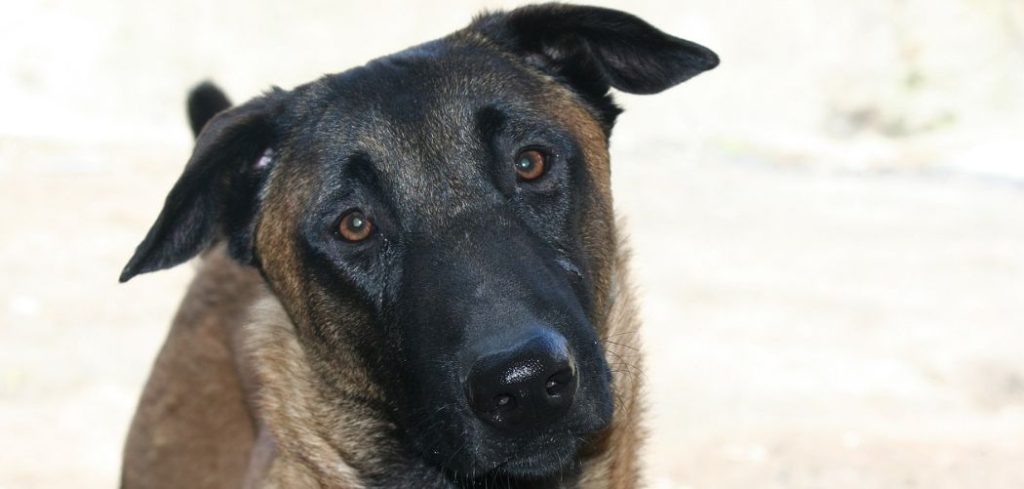
Old Dog Bloody Poop: Why It Happens
Bloody stool in an old dog usually happens when the digestive tract becomes damaged, inflamed, infected, or unable to protect itself properly. Aging weakens the gut lining and immune system, making senior dogs more vulnerable to ulcers, tumors, infections, parasites, organ failure, medication side effects, and bleeding disorders. Even mild digestive stress can lead to bleeding when tissues are fragile.
In many cases, bloody poop reflects an underlying condition that has been developing silently for months before symptoms appear.
Old Dog Bloody Poop: Signs
Signs that may accompany bloody stool include:
Red streaks or clots in stool.
Loose or watery diarrhea mixed with blood.
Straining during bowel movements.
Mucus in stool.
Lethargy or weakness.
Loss of appetite
Abdominal discomfort or bloating.
Pale gums (in cases of significant blood loss).
Some older dogs may still act relatively normal at first, but ongoing bleeding can quickly lead to dehydration or anemia, especially if vomiting is also present.
Old Dog Bloody Poop: Common Causes
Gastrointestinal Inflammation
Inflammation of the colon and lower intestines is one of the most common reasons older dogs develop bloody stool. As dogs age, their digestive lining becomes thinner and more sensitive, making it easier for irritation to trigger bleeding.
Colitis often develops after dietary changes, stress, infections, antibiotic use, or chronic digestive disease. Inflamed intestinal tissue becomes swollen and fragile, allowing small blood vessels to rupture during bowel movements.
You may notice loose stools mixed with mucus, streaks of bright red blood, straining, frequent bathroom trips, and sudden urgency. Some dogs may seem uncomfortable or restless after defecating.
If left untreated, chronic inflammation can worsen, lead to dehydration, and weaken overall gut function, making future flare-ups more severe.
Read more: Old Dog Constant Diarrhea (Signs, causes and treatment)
Gastrointestinal Cancer
Cancer becomes significantly more common in senior dogs and is a major concern when bloody stool appears. Tumors can grow anywhere in the digestive tract, including the stomach, small intestine, colon, or rectum.
These growths disrupt normal tissue and blood supply, causing ulcers, erosion, and slow internal bleeding. Over time, this bleeding appears in stool as dark, tarry feces or bright red streaks.
Other signs often include weight loss, appetite changes, fatigue, vomiting, abdominal swelling, and reduced activity. Some tumors bleed intermittently, making symptoms come and go.
Digestive cancers are especially dangerous because they often progress quietly until bleeding becomes obvious. Early detection greatly improves treatment options and comfort.
Parasites and Chronic Infections
Although parasites are more common in younger dogs, senior dogs can still become infected, especially if their immune system is weakened.
Hookworms, whipworms, giardia, and bacterial infections can all damage the intestinal lining.
These organisms attach to the gut wall, feed on blood, and create microscopic wounds that lead to visible bleeding. In older dogs, healing is slower, allowing infections to persist.
Signs may include diarrhea, weight loss, dull coat, weakness, vomiting, bloating, and foul-smelling stools. Some dogs also become anemic from chronic blood loss.
Untreated infections can slowly drain your dog’s strength and contribute to organ stress over time.
Stomach and Intestinal Ulcers
Ulcers form when stomach acid damages the protective lining of the digestive tract. Senior dogs are at higher risk due to medication use, stress, kidney disease, liver disease, and weakened tissue repair.
Pain relievers, especially human medications and some veterinary anti-inflammatories, are a common cause of ulcers in older dogs. These drugs reduce protective mucus and allow acid to erode tissue.
Ulcers often cause dark, black, tarry stools, which indicate digested blood. Dogs may also vomit blood, refuse food, drool excessively, or show abdominal pain.
If ulcers rupture, they can cause life-threatening bleeding and require emergency treatment.
Blood Clotting Disorders and Organ Failure
The liver plays a major role in producing clotting factors that stop bleeding. When liver disease develops in senior dogs, the body loses its ability to control bleeding properly.
Kidney disease can also interfere with platelet function and blood pressure, increasing the risk of intestinal bleeding. Certain autoimmune disorders and bone marrow problems can further disrupt clotting.
With clotting disorders, even small digestive irritation can result in significant blood loss. Dogs may bruise easily, bleed from gums, develop nosebleeds, or show pale gums.
Bloody stool caused by clotting problems is especially dangerous because it can worsen rapidly and lead to shock if untreated.
Food Allergies
Older dogs often develop sensitivities to foods they once tolerated well. Changes in digestion, enzyme production, and immune response can cause reactions to certain proteins or ingredients.
Food intolerance leads to inflammation of the gut lining, allowing blood vessels to leak. Sudden diet changes, spoiled food, table scraps, garbage, and toxic plants can trigger similar damage.
Signs may include itching, vomiting, diarrhea, gas, abdominal discomfort, and inconsistent stool quality alongside bleeding.
Repeated exposure keeps the gut in a constant state of irritation, increasing long-term risk of chronic disease.
Inflammatory Bowel Disease (IBD)
Inflammatory bowel disease is a chronic immune-mediated condition that becomes more common with age. In IBD, the immune system attacks the intestinal lining, causing persistent inflammation and tissue breakdown.
Over time, this damage leads to poor nutrient absorption, ulcer formation, and bleeding. Bloody stool may appear periodically or become constant.
Dogs with IBD often experience fluctuating appetite, vomiting, diarrhea, weight loss, lethargy, and sensitivity to diet changes.
IBD requires long-term management and veterinary supervision to prevent progression.
Related: Old Dog Black Diarrhea (What it means)
Old Dog Bloody Poop: What to Do
When you first notice blood in your senior dog’s stool, start by closely monitoring their behavior, appetite, energy level, and bathroom habits. Take note of whether the blood is bright red, dark, mixed with mucus, or present in diarrhea, as this information helps guide diagnosis.
Make sure your dog has constant access to fresh water to prevent dehydration, especially if diarrhea is present. Dehydration can quickly worsen weakness and slow healing.
Feed a bland, easily digestible diet such as plain boiled chicken and rice for short periods if your dog is still eating, unless your veterinarian advises otherwise. This can reduce intestinal irritation while you seek guidance.
Avoid giving any over-the-counter medications, human pain relievers, or supplements unless approved by your veterinarian, as many products can worsen bleeding.
Keep your dog calm and restrict strenuous activity, since physical stress can increase intestinal blood flow and worsen bleeding.
When to Call or Visit Your Veterinarian
Contact your veterinarian immediately if your dog passes large amounts of blood, has black tarry stools, or continues bleeding for more than 24 hours.
Seek urgent care if bloody stool is accompanied by vomiting, weakness, collapse, pale gums, rapid breathing, abdominal pain, or refusal to eat.
Immediate veterinary attention is necessary if your dog has known kidney disease, liver disease, cancer, or is taking long-term medications.
Go to an emergency clinic if your dog becomes lethargic, disoriented, or shows signs of dehydration such as dry gums or sunken eyes.
Any repeated episodes of bloody stool in an old dog should be investigated promptly, even if your dog seems otherwise normal.
Related: Old Dog Chronic Diarrhea (Signs, causes and treatment)
Old Dog Bloody Poop: Treatment
Treatment focuses on identifying the source of bleeding and stabilizing the dog. Diagnostic tests may include fecal exams, bloodwork, abdominal imaging (X-rays or ultrasound), and possibly endoscopy or biopsy if cancer or severe inflammatory disease is suspected.
Treatment depends on the cause and may involve fluid therapy, anti-inflammatory medications, antibiotics, antiparasitic drugs, dietary changes, or gastrointestinal protectants.
If tumors, polyps, or ulcers are found, surgical intervention may be required.
Because senior dogs are more vulnerable to complications, early veterinary care significantly improves outcomes and prevents progression to more serious conditions.
Key Takeaway
Bloody poop in an old dog is never something to ignore, even if it appears mild at first. Aging makes the digestive system more fragile, allowing inflammation, disease, tumors, and organ problems to cause bleeding more easily.
While some cases may be temporary, many reflect serious underlying conditions that require medical care. Early evaluation gives your dog the best chance for treatment, comfort, and quality of life.
If you notice blood in your senior dog’s stool, trust your instincts and seek veterinary guidance. Acting quickly can make a life-saving difference.