
It can be deeply upsetting when an older dog suddenly starts biting their owner, especially after years of trust and companionship.
This kind of behavior change is rarely random and is often a sign that your dog is experiencing discomfort, confusion, or fear.
Old Dog Biting Owner: Why It Happens
An old dog biting their owner happens because the dog is reacting to discomfort, confusion, or fear, often as a form of communication rather than intentional aggression, especially when aging affects their body and mind.
When dogs age, they may become less tolerant of touch, more easily startled, or confused about familiar people and situations. Medical conditions such as arthritis or neurological changes can make handling uncomfortable, leading to defensive reactions.
Anxiety, reduced vision or hearing, or underlying illness can cause a dog to misinterpret even gentle interactions as threatening.
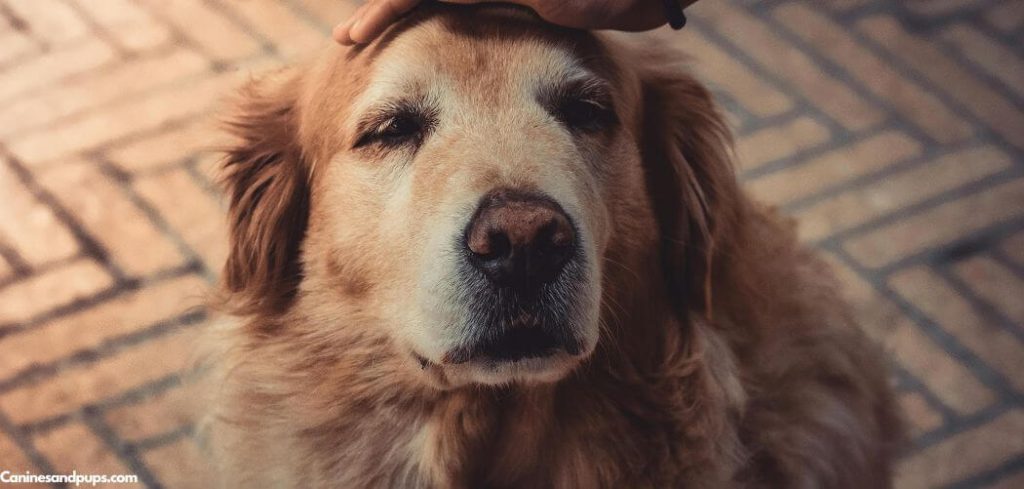
Old Dog Biting Owner: Symptoms
If your old dog is biting you, you may notice:
Growling or warning signals before biting
Snapping when touched or approached
Biting during grooming, feeding, or handling
Increased irritability or sudden mood changes
Avoiding contact and reacting defensively when approached
Startling easily and reacting aggressively
Guarding resting spots or food from you
Confusion or disorientation alongside aggression
Changes in normal affectionate behavior
Old Dog Biting Owner: Common Causes
Chronic Pain
Pain is one of the most common reasons an old dog bites their owner. Conditions like arthritis, dental disease, or internal discomfort can make even gentle touch feel painful. When a dog anticipates that handling will hurt, they may react defensively to prevent further discomfort.
For example, lifting a dog with sore joints or touching a sensitive area can trigger a bite, even if the dog previously tolerated it.
Because pain can be constant or worsen with movement, dogs may become increasingly irritable and less tolerant over time.
Dog Dementia
Cognitive decline (dog dementia) can change how a dog recognizes and responds to their owner.
Dogs with canine cognitive dysfunction may become confused, forget familiar people, or misinterpret interactions. This can lead to fear-based biting, especially if the dog feels threatened or disoriented.
A dog may react aggressively if approached suddenly, particularly in low-light conditions or when waking up from sleep.
This type of behavior is often linked to confusion rather than true aggression, making it especially important to handle gently.
Related: Old Dog Syndrome (Signs, causes and treatment)
Vision and Hearing Loss
Sensory decline can make the world feel unpredictable and unsafe for an older dog.
If your dog cannot see or hear clearly, they may not realize it’s you approaching them. This can lead to startle responses, where the dog reacts defensively by snapping or biting.
Dogs with vision loss may also feel more vulnerable, increasing their likelihood of reacting aggressively to protect themselves.
Over time, this can create a pattern where the dog becomes more cautious and reactive.
Fear and Anxiety
Older dogs can develop increased anxiety, even in familiar environments. Changes in routine, health, or surroundings can make them feel insecure, leading to defensive behaviors.
Fear-based biting often occurs when a dog feels cornered, overwhelmed, or unable to escape a situation.
You may notice other signs such as trembling, pacing, or avoidance before the biting occurs.
Resource Guarding
Some older dogs begin to guard resources even from their owners. This can include food, toys, or resting areas, especially if the dog feels vulnerable or uncomfortable.
A dog that is resting or in pain may become more protective of their space and react aggressively when approached. This behavior is often a sign that the dog needs more security and less disruption.
Underlying Medical Conditions
Medical issues can directly influence behavior and temperament. Conditions such as neurological disorders, infections, or hormonal imbalances can alter how a dog reacts to their environment.
For example, thyroid issues can affect mood, while brain-related conditions may cause confusion or unpredictable behavior.
If biting begins suddenly without an obvious trigger, a medical cause should always be considered.
Reduced Tolerance
As dogs age, their tolerance for interaction often decreases. Activities they once enjoyed, like prolonged petting or busy environments, may become overwhelming.
When overstimulated, an older dog may react more quickly and intensely, including biting. This is often a sign that the dog needs shorter, calmer interactions and more rest.
Read more: Old Dog Biting Puppy (Here’s why)
Old Dog Biting Owner: What to Do
If your dog is biting you, the most important step is to stay calm and avoid reacting with punishment. Biting is usually a signal that your dog is uncomfortable or afraid, not being intentionally disobedient.
Pay close attention to triggers and avoid situations that provoke the behavior. Understanding what causes the reaction can help you prevent future incidents.
Approach your dog gently and predictably, especially if they have vision or hearing loss. Speaking softly before touching them can help reduce startle responses.
Give your dog space when they are resting or eating, and avoid disturbing them unnecessarily. Respecting their boundaries can significantly reduce defensive behavior.
Create a calm and consistent environment where your dog feels safe. Reducing stress and maintaining routine can help stabilize behavior over time.
When to Call or Visit Your Vet
If your dog suddenly starts biting you without warning, it’s important to seek veterinary care as soon as possible. Sudden aggression often indicates pain or illness.
If the biting becomes frequent, severe, or unpredictable, professional evaluation is necessary to ensure safety and identify the cause.
Signs of confusion, disorientation, or changes in sleep patterns alongside biting may indicate cognitive dysfunction and should be assessed.
If your dog shows physical symptoms such as limping, weight loss, or appetite changes, these may point to underlying health issues contributing to the behavior.
Any situation where you feel unsafe or unable to manage the behavior should be addressed with veterinary and behavioral support.
Old Dog Biting Owner: Treatment
Treatment for an old dog biting focuses on identifying and treating the underlying cause. If pain is contributing to the behavior, your vet may prescribe medications or therapies to improve comfort and reduce defensive reactions.
For cognitive dysfunction, treatment may include medications, supplements, and environmental adjustments to support brain function and reduce confusion.
If anxiety is a factor, calming strategies, behavioral modification, or medication may be recommended to help your dog feel more secure.
Medical conditions affecting behavior will require targeted treatment, which may include medication, dietary changes, or ongoing monitoring.
Your vet may also recommend working with a professional trainer or behaviorist to develop a safe and structured plan.
Key Takeaway
An old dog biting an owner can be distressing, but it is often a sign that your dog is struggling with pain, fear, or confusion.
Rather than viewing it as betrayal or bad behavior, it’s important to understand it as communication.
By identifying triggers, making adjustments at home, and seeking veterinary care when needed, you can help your dog feel safer and more comfortable.
With patience, understanding, and proper support, many cases of biting can be managed, allowing your senior dog to maintain a better quality of life while keeping everyone safe.