
Bald spots on an older dog can be alarming, especially when they appear suddenly or worsen over time.
Hair loss in senior dogs is often a sign of underlying skin, hormonal, or health issues that need attention.
Table of Contents
Old Dog Bald Spots: Why It Happens
An old dog developing bald spots is most often experiencing hair loss due to aging skin, underlying hormonal conditions, skin infections, allergies, or parasites, all of which can weaken hair follicles or cause itching and damage that leads to visible patches of missing fur.
When dogs age, their skin becomes thinner and more sensitive, making them more prone to irritation, hair loss, and slower healing.
Conditions like thyroid disease or Cushing’s disease can disrupt normal hair growth, while itching from fleas, mites, or allergies can cause excessive scratching that leads to patchy fur loss. In some cases, benign or cancerous skin growths may also contribute to localized bald areas.
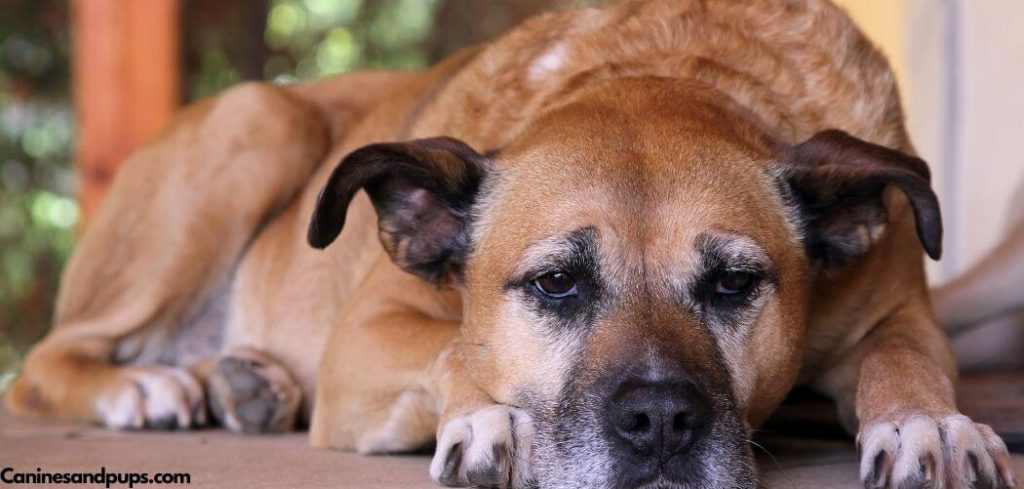
Is It Normal for Old Dogs to Get Bald Spots?
No. While thinning fur can occur with age, true bald spots are not a normal part of aging. Hair loss almost always indicates a change in skin health, hormone balance, immune function, or circulation.
Because senior dogs heal more slowly and have weaker skin defenses, hair loss that might be mild or temporary in a younger dog often becomes more pronounced and persistent in older dogs.
Old Dog Bald Spots: Symptoms
If your old dog has bald spots, you may notice:
Patchy hair loss on the body, legs, or tail
Red, inflamed, or irritated skin
Scaly, flaky, or crusty areas
Excessive scratching, licking, or chewing
Darkened or thickened skin in affected areas
Small bumps, sores, or scabs
Unpleasant skin odor
Gradual thinning of coat rather than sudden loss
Old Dog Bald Spots: Common Causes
Hormonal Imbalances
Hormonal conditions are one of the most common reasons older dogs develop bald spots.
Hypothyroidism slows down the body’s metabolism, which can lead to dry skin, brittle hair, and gradual hair loss, especially along the sides and tail.
Cushing’s disease, on the other hand, causes excess cortisol production, which weakens the skin and hair follicles. This often results in symmetrical bald patches, thinning fur, and fragile skin that bruises easily.
These conditions typically develop slowly, so owners may notice progressive hair loss rather than sudden bald spots.
Read more: Old Dog Losing Hair (What it really means)
Allergies
Allergies can cause intense itching, which leads to scratching, licking, and chewing that damages the coat and creates bald patches.
Older dogs can develop new sensitivities over time, even to things they previously tolerated. Common triggers include pollen, dust mites, certain foods, or cleaning products.
Repeated irritation inflames the skin, disrupts hair growth, and may lead to secondary infections that worsen the bald areas.
Parasites
Parasites are a frequent and often overlooked cause of bald spots in senior dogs. Fleas can trigger allergic reactions that cause severe itching, especially around the base of the tail and back. Even a few bites can lead to noticeable hair loss.
Mites, such as those responsible for mange, burrow into the skin and cause patchy hair loss, redness, and scabbing.
Older dogs with weaker immune systems may be more vulnerable to these infestations.
Skin Infections
Skin infections often develop when the skin barrier is compromised, either from scratching, allergies, or underlying health issues.
Bacterial infections can cause redness, pustules, and hair loss in localized areas.
Fungal infections, such as yeast overgrowth, can lead to greasy skin, odor, and patchy bald spots. These infections often require treatment because they rarely resolve on their own.
Pressure Sores and Friction
Senior dogs, especially those who spend more time lying down, can develop bald spots over pressure points like elbows, hips, and hocks.
Constant contact with hard surfaces reduces blood flow to the skin and causes hair to wear away.
Over time, these areas may become thickened, darkened, or even develop sores if not properly cushioned.
Age-Related Skin Changes
As dogs age, their skin naturally becomes thinner, less elastic, and more fragile. Hair follicles may become less active, leading to slower or incomplete regrowth.
This can result in patchy thinning or bald spots that are not linked to a specific disease but rather the aging process itself.
Tumors or Skin Growths
Lumps, cysts, or tumors can disrupt normal hair growth in the surrounding area. Benign growths may simply push hair aside, while malignant tumors can damage skin tissue and cause localized hair loss.
Any new lump associated with a bald spot should always be evaluated by a veterinarian.
Read more: Old Dog Itching and Scratching (Causes explained)
Old Dog Bald Spots: What to Do If Your Dog Has Old Dog Bald Spots
If your old dog has bald spots, start by gently examining the affected areas. Look for signs of redness, parasites, wounds, or unusual lumps, as these can help narrow down the cause.
Make sure your dog is on a consistent flea and parasite prevention plan, even if you don’t immediately see fleas. Parasites are a very common cause of hair loss and are easy to miss.
Improve your dog’s comfort by providing soft, clean bedding, especially if the bald spots are on pressure points. This helps reduce further irritation and supports skin healing.
Keep the skin clean and dry, but avoid over-bathing, as this can strip natural oils and worsen dryness. Using a gentle, vet-approved shampoo can help soothe irritated skin.
Pay attention to diet and overall health. High-quality nutrition supports skin and coat health, and any sudden changes in appetite, weight, or behavior alongside bald spots should be taken seriously.
When to Call or Visit Your Vet
If the bald spots are spreading quickly or appearing suddenly, it’s important to consult your veterinarian as soon as possible. Rapid hair loss can signal infections, parasites, or hormonal problems that need prompt treatment.
Seek veterinary care if the skin looks red, swollen, oozing, or has a strong odor. These are signs of infection that won’t resolve without medical intervention.
If your dog is constantly scratching, biting, or seems uncomfortable, a vet visit is necessary to identify and relieve the underlying cause.
Bald spots accompanied by weight changes, increased thirst, lethargy, or behavioral shifts may indicate hormonal conditions like Cushing’s disease or hypothyroidism.
Any lump, bump, or unusual growth associated with hair loss should always be examined to rule out tumors or more serious conditions.
Old Dog Bald Spots: Treatment
Treatment for bald spots in an old dog depends on the underlying cause. If parasites are responsible, your vet will prescribe medicated treatments to eliminate fleas or mites and soothe the skin.
For infections, antibiotics or antifungal medications may be needed, along with medicated shampoos to restore skin health.
Hormonal conditions like hypothyroidism or Cushing’s disease require long-term management with specific medications that help regulate the body and improve coat regrowth over time.
If allergies are suspected, your vet may recommend dietary trials, antihistamines, or other treatments to control itching and inflammation.
In cases involving tumors or abnormal growths, further testing such as biopsies may be required, and surgical removal might be recommended depending on the diagnosis.
Key Takeaway
Bald spots in an old dog are often a sign that something deeper is going on, whether it’s aging skin, parasites, allergies, or a medical condition.
While some causes are mild and manageable at home, others require prompt veterinary care to prevent discomfort and complications.
Pay close attention to changes in your dog’s skin, behavior, and overall health, and don’t hesitate to seek professional advice if something seems off.
With early attention and the right care, many causes of hair loss can be treated, helping your dog stay comfortable, healthy, and happy in their senior years.