
A grumpy old dog can be confusing and upsetting for owners, especially when a once-friendly companion suddenly seems irritable, snappy, or withdrawn.
While aging dogs can become less tolerant, persistent grumpiness is often a sign that something deeper is affecting their comfort or wellbeing.
What Is a Grumpy Old Dog?
A grumpy old dog is a senior dog that becomes more irritable, less tolerant, or easily annoyed, especially in situations they previously handled well.
Older dogs may growl, snap, avoid interaction, or prefer being left alone, particularly when touched, moved, or disturbed while resting.
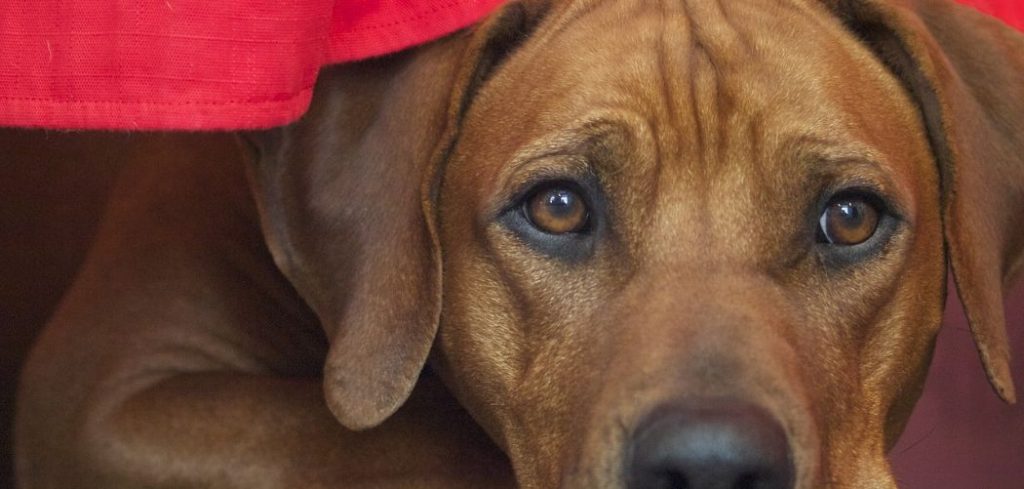
Grumpy Old Dog: Why It Happens
A grumpy old dog is usually reacting to physical discomfort, sensory changes, or emotional stress that comes with aging. Pain, stiffness, and chronic health conditions can lower a senior dog’s tolerance for handling or interaction.
At the same time, hearing loss, vision decline, and cognitive changes may make dogs feel anxious or easily startled.
When discomfort or confusion goes unrecognized, it often shows up as irritability rather than obvious illness.
Grumpy Old Dog: Signs
If your dog is becoming grumpy in old age, you may notice:
- Growling or snapping more than usual
- Irritability when touched or handled
- Avoiding interaction or withdrawing
- Sudden reactions to familiar people or pets
- Sensitivity to noise or movement
- Changes in sleep patterns
- Reluctance to be picked up or moved
- Reduced tolerance for activity or play
Grumpy Old Dog: Common Causes
Chronic Pain
One of the most common reasons for grumpiness in old dogs is chronic pain. Arthritis, joint degeneration, and spinal issues are extremely common in senior dogs and often worsen gradually.
Dogs in pain may resent being touched, picked up, or asked to move. What appears as irritability is often a defensive response to avoid discomfort. Pain that goes untreated can significantly impact mood and quality of life.
Read more: Old Dog Behavior Before Death (Behavior changes explained)
Dental Disease and Oral Pain
Dental problems are widespread in aging dogs and frequently overlooked. Infected teeth, gum disease, and oral abscesses can cause constant pain that affects behavior.
Dogs with dental pain may snap when their face is touched, avoid eating hard food, or act irritable during close interaction. Because mouth pain is hidden, behavioral changes may be the first noticeable sign.
Vision or Hearing Loss
As dogs age, their senses often decline. Reduced vision or hearing can make the world feel unpredictable and threatening.
An old dog that can’t see or hear well may become easily startled and react defensively. Sudden touches or unfamiliar movements can feel alarming, leading to grumpiness or snapping even toward familiar people.
Cognitive Decline
Cognitive dysfunction in senior dogs can alter personality and behavior. Dogs may become confused, anxious, or disoriented, especially in the evening or in unfamiliar environments.
This mental decline can lower patience and increase irritability. A dog that once tolerated interaction may now feel overwhelmed or stressed, responding with grumpy or withdrawn behavior.
Related: Old Dog Syndrome (Signs, causes and treatment)
Hormonal or Metabolic Illness
Conditions such as thyroid imbalance, kidney disease, or liver dysfunction can affect mood and behavior. These illnesses often cause subtle discomfort, nausea, or fatigue.
When an old dog feels unwell internally, they may become less tolerant and more irritable. Behavioral changes are sometimes an early sign of underlying disease that hasn’t yet shown obvious physical symptoms.
Stress
Senior dogs often rely heavily on routine and familiarity. Changes such as new pets, moving furniture, visitors, or schedule disruptions can be stressful.
An aging dog may lack the emotional flexibility they once had, leading to frustration or grumpiness. Stress layered on top of physical discomfort can quickly change behavior.
Grumpy Old Dog: What to Do
Start by observing when the grumpiness occurs and what triggers it. Patterns can reveal whether pain, handling, or environmental stress is involved.
Make your dog’s environment more predictable and comfortable. Provide soft bedding, quiet rest areas, and avoid unnecessary handling that may cause discomfort.
Handle your dog gently and give them more space when needed. Respect signals like growling or pulling away rather than forcing interaction.
Schedule a veterinary checkup to rule out pain, dental disease, or medical issues. Behavioral changes in senior dogs should never be dismissed as “just old age.”
When to Call or Visit Your Vet
Contact your veterinarian if grumpiness appears suddenly or worsens rapidly.
Seek veterinary care if irritability is paired with appetite changes, weight loss, limping, difficulty moving, confusion, or house-soiling.
Aggression, snapping, or biting that is new or escalating should always be evaluated promptly, as it often signals pain or neurological changes.
Grumpy Old Dog: Treatment
Veterinary treatment for a grumpy old dog depends on the underlying cause. Your vet may perform a physical exam, blood tests, or imaging.
Pain-related causes are often managed with medications and joint support. Dental issues may require cleaning or treatment.
Cognitive dysfunction may be managed with medications and supportive care.
Behavioral changes linked to anxiety may be addressed with environmental adjustments or medication.
Key Takeaway
A grumpy old dog is rarely “just being difficult.” Most behavior changes in senior dogs are rooted in pain, sensory loss, cognitive decline, or illness.
By recognizing grumpiness as a sign of discomfort and responding with patience, medical care, and environmental support, you can greatly improve your dog’s quality of life.
Aging may change behavior, but suffering should never be accepted as normal.