
Seeing a dog vomit during her heat cycle can be alarming, especially when it happens suddenly or repeatedly.
Hormonal changes during estrus affect the entire body, and for some dogs, this can lead to stomach upset that worries even experienced owners.
This guide explains the most common causes of vomiting related to a dog’s heat cycle, what you can do at home, and when to seek veterinary help.
Dog Vomiting Due to Heat Cycle: Why It Happens
Vomiting during a dog’s heat cycle is most often linked to hormonal fluctuations that affect the digestive system and appetite. Rising estrogen and progesterone levels can slow digestion, increase nausea, and make dogs more sensitive to smells and food textures.
Stress, reduced appetite, mild dehydration, and uterine changes can all contribute, and in some cases, vomiting may signal a more serious reproductive or medical issue that happens to coincide with heat.
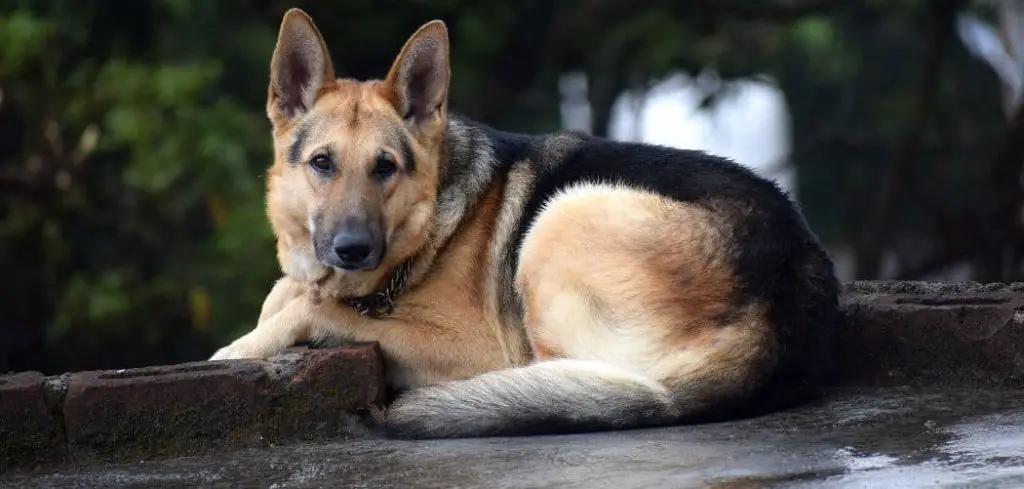
Dog Vomiting Due to Heat Cycle: Common Causes
Hormonal Fluctuations Affecting the Digestive Tract
During the heat cycle, estrogen levels rise and later give way to progesterone. These hormones do not only affect the reproductive system; they also influence the gastrointestinal tract.
As hormone levels shift, stomach emptying can slow and acid production may increase.
This creates a nauseated feeling similar to motion sickness or hormonal nausea in humans. Some dogs vomit bile or partially digested food, especially in the morning or after meals.
While hormonal vomiting is often mild and short-lived, repeated episodes can lead to dehydration and discomfort, making close monitoring important during heat.
Related: Dog diarrhea due to heat cycle (Why it happens)
Reduced Appetite Leading to Stomach Irritation
Many dogs eat less while in heat. Changes in mood, restlessness, and hormonal effects on appetite centers in the brain can cause them to skip meals or eat very little.
When a dog’s stomach remains empty for long periods, gastric acid can build up and irritate the stomach lining. This irritation commonly leads to vomiting yellow bile or foamy fluid.
This type of vomiting is often worse early in the day or after long gaps between meals and may improve when small, bland meals are offered more frequently.
Stress During Estrus
Heat cycles can be physically and emotionally stressful for dogs. Increased anxiety, pacing, vocalizing, and sensitivity to their environment are common during this time.
Stress triggers the release of cortisol and other stress hormones, which can disrupt normal digestion. In sensitive dogs, this stress response alone can cause nausea and vomiting.
If vomiting coincides with clear signs of anxiety or agitation during heat, stress-related gastrointestinal upset may be a significant contributing factor.
Dehydration From Panting and Restlessness
Dogs in heat may pant more, pace frequently, and sleep less. These behaviors increase fluid loss, especially in warm environments.
Even mild dehydration can upset electrolyte balance and irritate the stomach, leading to nausea and vomiting. Dehydration also thickens stomach contents, making digestion more difficult.
You may notice darker urine, sticky gums, or reduced interest in water alongside vomiting, all of which suggest hydration needs attention.
Uterine Changes and Abdominal Discomfort
As the uterus prepares for possible pregnancy, it enlarges slightly and becomes more active. This can cause mild abdominal discomfort or cramping sensations.
Abdominal discomfort can trigger nausea, particularly in dogs that are already sensitive to pain or hormonal changes.
Vomiting in this context may occur alongside restlessness, frequent position changes, or a tucked abdomen.
While mild discomfort is normal, ongoing vomiting with abdominal pain should never be ignored, as it may signal a developing complication.
Underlying Reproductive or Medical Conditions
In some cases, vomiting during heat is not caused by normal estrus changes at all. Conditions such as uterine infections, ovarian cysts, gastrointestinal disease, or early pyometra can initially appear during or shortly after a heat cycle.
Vomiting linked to these conditions is often more persistent and may be accompanied by lethargy, fever, foul-smelling discharge, or refusal to eat. Because timing overlaps with heat, owners may mistakenly assume vomiting is “normal.”
This is why vomiting during heat should always be evaluated in the context of the dog’s overall health and behavior.
Related: My dog is in heat and not eating (Why it happens)
What to Do If Your Dog Is Vomiting Due to Heat Her Cycle
If your dog is vomiting during her heat cycle but otherwise seems alert and stable, supportive care at home can help reduce discomfort. Offer small, bland meals such as plain boiled chicken and rice, spaced throughout the day rather than large portions.
Ensure constant access to fresh water and encourage drinking, especially if she is panting or restless. Adding ice cubes or offering water in different bowls may help reluctant drinkers.
Keep her environment calm and quiet to minimize stress. Reducing exposure to male dogs, loud noises, or overstimulation can help settle her digestive system.
Monitor the frequency and appearance of vomit closely. Occasional vomiting that improves within a day is less concerning than repeated or worsening episodes.
Avoid giving over-the-counter medications unless specifically directed by your veterinarian, as some human products can worsen nausea or be unsafe for dogs.
When to Call or Visit Your Vet
Vomiting during heat should prompt a veterinary call if it continues beyond 24 hours or happens multiple times in a single day.
Seek immediate veterinary care if vomiting is accompanied by lethargy, fever, refusal to drink, abdominal pain, or foul-smelling vaginal discharge.
Blood in the vomit, severe weakness, collapse, or signs of dehydration such as dry gums are emergencies and require urgent attention.
If your dog has never vomited during previous heat cycles or seems significantly more unwell than usual, a vet visit is the safest course of action to rule out serious reproductive or medical conditions.
Related: Dog suddenly not eating and vomiting (Here’s why)
Key Takeaway
Vomiting due to a heat cycle is often linked to hormonal changes, reduced appetite, stress, or mild dehydration, but it should never be automatically dismissed as normal.
Careful monitoring, gentle at-home support, and attention to warning signs can help keep your dog safe and comfortable.
When vomiting is persistent, severe, or paired with other symptoms, timely veterinary care is essential to protect your dog’s reproductive and overall health.