
A dog becoming unusually tired after a vaccine is one of the most common reactions owners notice, and it can be worrying when your dog suddenly seems uninterested in food, play, or activity.
Vaccines are meant to protect your dog, but the immune response they trigger can temporarily make them feel sluggish or “off.”
This guide outlines the most common causes of a dog becoming tired after a vaccine, what you can do, and when to seek veterinary help.
Dog Tired After Vaccine: Why It Happens
A dog feeling tired after a vaccine typically happens because the immune system is reacting to the shot, which is a normal and expected part of how vaccines work.
Some dogs become sleepy, nap more than usual, or seem low-energy because their body is actively building immunity.
Mild fever, soreness at the injection site, and temporary discomfort can also contribute to fatigue. In more rare cases, allergic reactions, infection, or inflammatory responses can make a dog unusually exhausted.
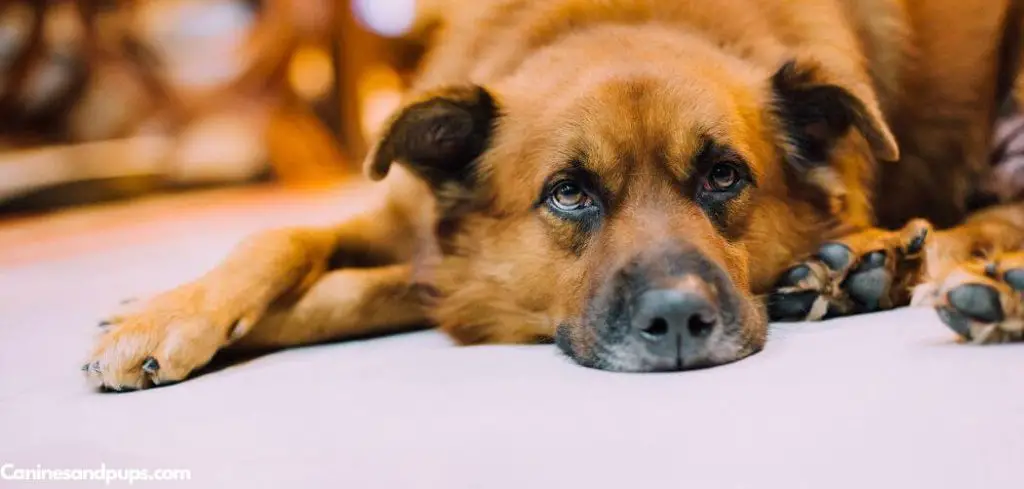
Dog Tired After Vaccine: Common Causes
Normal Immune Response
A normal immune response is the most frequent reason a dog becomes tired after receiving a vaccine.
Vaccines are designed to activate the immune system, teaching it how to recognize viruses or bacteria in the future.
This activation uses energy, which naturally leaves some dogs feeling sleepy or slow-moving for the next 24–48 hours.
You may notice your dog spending more time lying down, declining playtime, or appearing uninterested in walks they usually enjoy.
Some dogs may even find a quiet corner to rest because they feel “run down,” similar to how humans often feel after a flu shot.
Although this reaction can be surprising, it is medically expected and generally not harmful. The tiredness typically fades once the immune system completes its initial response to the vaccine.
Related: Dog diarrhea after vaccines (Why it happens)
Mild Fever After Vaccination
A low-grade fever is another common reason dogs become tired after vaccines. A fever is a natural part of the immune process and helps boost the effectiveness of the vaccine.
However, it also makes dogs feel sleepy and less active. Your dog may feel warm to the touch, breathe a little faster, or move more slowly than usual.
A fever can also reduce appetite temporarily, which contributes to overall sluggishness.
Most vaccine-related fevers are mild, short-lived, and resolve without treatment. However, the fatigue associated with even a low fever can be very noticeable to owners.
Injection-Site Soreness
Pain or inflammation where the vaccine was given can make a dog seem tired or withdrawn.
If the injection site is sore, a dog may avoid movement, hesitate to jump, walk stiffly, or be reluctant to be touched. This reduced activity can easily look like overall tiredness.
Some dogs may lay on one side only, lick at the area, or avoid being picked up.
Even a small amount of discomfort can make a dog want to rest more than usual.
The soreness typically improves within a day or two, but during that time, a dog may appear less energetic as they try to avoid further irritation.
Gastrointestinal Upset
Some dogs experience mild digestive reactions that contribute to tiredness after a vaccine. If your dog feels mildly nauseous, has soft stools, or experiences minor vomiting, they may conserve energy by resting more.
Digestive upset can make dogs appear withdrawn, quiet, or less engaged with their surroundings.
You may see signs such as reduced appetite, increased swallowing, lip licking, or preferring water over food.
Even when the stomach issues are mild, the discomfort can make a dog seem very fatigued.
These symptoms are usually short-lived and related to temporary immune changes triggered by the vaccine.
Mild Allergic Reaction
A mild allergic reaction can also cause a dog to become unusually tired after vaccination.
These reactions often include itchiness, slight facial swelling, or hives. While mild, these symptoms can make a dog uncomfortable, stressed, or restless, and the resulting fatigue becomes noticeable.
Some dogs respond to the internal stress of a mild allergic reaction by sleeping more, staying close to their owner, or withdrawing from activity. A dog may also seem tired simply because the body is working harder to neutralize the allergen.
Though mild allergic reactions are generally manageable, tiredness accompanied by swelling or skin changes should be monitored closely.
Rare But Serious Reaction
Although uncommon, a serious vaccine reaction can make a dog extremely tired or weak.
In these cases, exhaustion can appear suddenly and may be accompanied by pale gums, difficulty breathing, vomiting, or collapse.
This severe tiredness occurs because the body is overwhelmed by the reaction and cannot maintain normal energy levels.
These reactions usually occur within minutes to hours after the vaccine. Even though they are rare, they require immediate veterinary intervention.
Most dogs will never experience a severe reaction, but knowing the signs ensures you can act quickly if tiredness seems extreme or out of character.
Read more: Dog Not Feeling Well After Vaccine (What it means)
What to Do If Your Dog Is Tired After a Vaccine
If your dog is tired after a vaccine, the best first step is to let them rest. Their body is responding to the vaccine, and rest is part of the natural recovery process.
Create a quiet, comfortable space where your dog can sleep without interruption from noise, children, or other pets.
Encourage gentle hydration by offering fresh water at regular intervals. Dogs that feel tired may drink less than usual, so small, frequent opportunities to drink help prevent dehydration.
If your dog doesn’t want to eat, try offering a bland, easy-to-digest meal such as boiled chicken and rice—but do not force food if they prefer rest.
Monitor the injection site for swelling, heat, or sensitivity. Avoid pressing on the area or encouraging high activity that could worsen soreness.
A warm compress, held gently against the injection site, can offer relief if your dog tolerates it well.
Keep your dog’s activity low for the next 24 hours. Avoid long walks, running, and intense play. Short potty breaks and quiet supervision are all they need until their energy begins returning.
Most dogs recover quickly, but trust your instincts—if your dog’s tiredness seems too intense or lasts too long, contact your veterinarian.
When to Call or Visit Your Vet
If your dog’s tiredness lasts longer than 48 hours, it’s a good idea to reach out to your veterinarian. Prolonged lethargy may indicate a stronger-than-normal immune response or an underlying condition that the vaccine triggered or revealed.
You should contact your vet immediately if your dog shows signs of an allergic reaction such as swelling around the eyes, hives, or itching. Even mild reactions should be monitored, and your veterinarian can provide medication to relieve symptoms.
Seek urgent care if your dog is extremely weak, collapses, vomits repeatedly, or has difficulty breathing. These may be signs of a severe reaction that requires rapid treatment.
Likewise, if you notice a hot, painful, or rapidly swelling lump at the injection site, your vet should evaluate it.
Always trust your gut. If something feels wrong or if your dog’s behavior seems dramatically different from their usual post-vaccine reactions, it’s safest to speak with a professional.
Related: Dog side effects after vaccines (Understanding why it happens)
Key Takeaway
A dog being tired after a vaccine is one of the most common and typically harmless reactions. The immune system is working, and the resulting fatigue usually fades within a day or two.
Providing rest, gentle hydration, and close monitoring will help your dog recover comfortably.
Always watch for signs of more serious reactions and contact your veterinarian if anything seems unusual or if tiredness lasts longer than expected.
With the right care, your dog will bounce back quickly and benefit from important vaccine protection.