
If you’re a dog parent, you may have experienced a moment of worry when you notice your dog throwing up and drinking lots of water.
While occasional vomiting in dogs may not be a serious concern, frequent episodes combined with excessive water consumption can indicate an underlying issue.
We outline why dogs vomit and drink large amounts of water, the potential health risks, and what you should do to ensure your furry friend stays healthy.
Here’s Why Dog Throwing Up and Drinking Lots of Water Happens
Vomiting in dogs is a common symptom of various conditions. It can range from mild, short-lived problems like eating too fast to more serious health issues.
When a dog vomits and then begins drinking lots of water, it’s often a sign that their body is trying to rehydrate after fluid loss.
However, this behavior can also worsen the condition, leading to more vomiting, especially if the water intake is rapid or excessive. Excessive drinking is usually accompanied by other symptoms like frequent urination, vomiting, diarrhea, or lethargy.
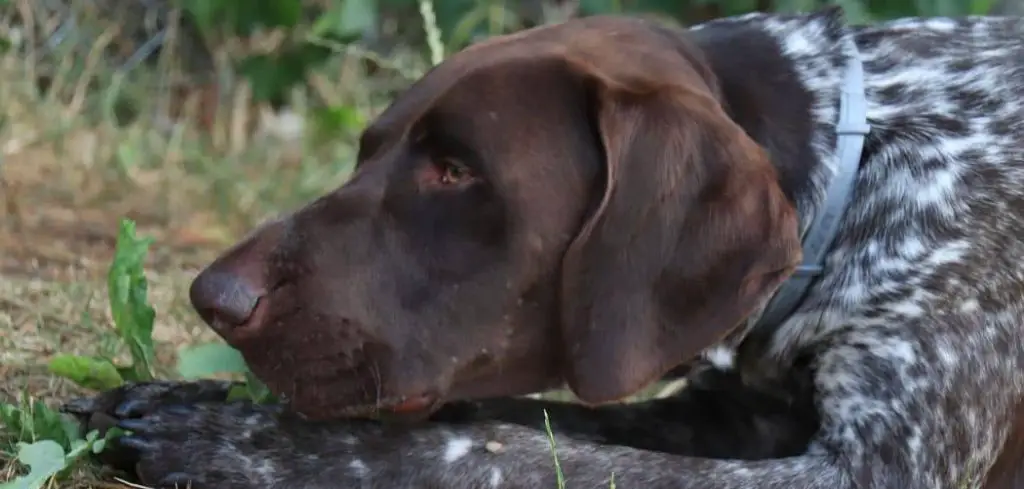
Why Is My Dog Drinking So Much Water All of a Sudden?
A sudden increase in water intake, or polydipsia, can signal serious health conditions such as kidney disease, diabetes, liver disease, or infections.
Even if the dog appears healthy, excessive drinking should never be ignored.
Alongside monitoring urination patterns, appetite, and energy levels, a veterinary exam is essential to conduct blood tests, urine analysis, and diagnostic imaging.
Early detection allows for timely management of potentially life-threatening conditions.
Do Dogs Drink a Lot of Water When They Are Sick?
Yes, dogs often increase water intake when they are ill, especially with conditions such as kidney disease, diabetes, Cushing’s disease, infections, or gastrointestinal upset.
Monitoring water intake along with other signs helps determine the severity of illness, and early veterinary intervention is important to prevent dehydration, electrolyte imbalance, or worsening of the underlying disease.
Dog Vomiting and Drinking Excessive Water: Common Causes
1. Dietary Indiscretion
One of the most common reasons why your dog might throw up and drink a lot of water is dietary indiscretion.
Dogs are curious by nature and may ingest spoiled food, garbage, or non-food items.
These substances can irritate the stomach lining and lead to vomiting.
The resulting dehydration can trigger an increased need to drink water.
This is especially common in cases of dog vomiting after eating something bad and drinking lots of water.
Related: Dog throwing up and coughing (Explained)
2. Gastrointestinal Infections
Infections caused by bacteria, viruses, or parasites can upset your dog’s stomach.
Conditions like gastroenteritis often lead to vomiting, diarrhea, and dehydration.
In these cases, dogs will instinctively drink more water to replace lost fluids.
If your dog is suffering from dog vomiting due to stomach infection and drinking too much water, consult your vet immediately.
3. Food Allergies or Sensitivities
Just like humans, dogs can have allergies or sensitivities to certain ingredients in their food.
If a new food or treat causes an allergic reaction, it may result in vomiting.
Your dog may then start drinking a lot of water in an effort to soothe their irritated digestive system.
Always observe how your dog reacts to new meals, particularly if you notice dog vomiting and drinking water after eating new food.
Related: Dog throwing up and limping (Explained)
4. Toxin Ingestion
If your dog has ingested a toxic substance, such as household cleaners, plants, or human medications, vomiting is one of the first signs of poisoning.
Excessive water consumption can follow as the body tries to flush out the toxins.
This is a medical emergency and requires immediate attention.
If you observe dog vomiting and drinking excessive water after ingesting poison, seek veterinary help without delay.
5. Heatstroke or Overheating
During warmer months, dogs are at risk of heatstroke if they are overexposed to heat without proper hydration and rest.
Vomiting and excessive water consumption are classic signs.
Other symptoms may include panting, drooling, and lethargy.
If you notice dog vomiting and drinking lots of water in hot weather, cool them down gradually and visit a vet.
Related: Dog throwing up and weak legs (Explained)
6. Kidney Disease
Chronic kidney disease is more common in older dogs and can cause nausea, vomiting, and increased thirst.
The kidneys lose their ability to concentrate urine, leading to more fluid loss and a compensatory increase in water intake.
This often results in dog vomiting and drinking a lot of water kidney disease as a key symptom.
7. Diabetes Mellitus
In dogs with diabetes, high blood sugar levels lead to increased thirst and urination.
Vomiting can occur if the condition is poorly managed or if the dog enters diabetic ketoacidosis, a serious and potentially life-threatening complication.
Look out for dog vomiting and drinking excessive water diabetes as a potential warning sign.
8. Addison’s Disease (Hypoadrenocorticism)
Addison’s disease is a hormonal disorder that affects a dog’s adrenal glands.
It can cause vomiting, diarrhea, lethargy, and excessive water drinking due to imbalanced electrolytes.
It’s often mistaken for less serious illnesses but requires proper diagnosis and treatment.
If you suspect dog vomiting and drinking lots of water Addison’s disease, don’t delay a veterinary consultation.
Dog Throwing Up and Drinking Lots of Water but Acting Normal
A dog that vomits, drinks excessively, yet otherwise acts normal may be experiencing mild digestive upset or transient stomach irritation. While it is reassuring that the dog remains active, this combination of symptoms still warrants monitoring.
Keeping the dog hydrated, offering small meals, and avoiding sudden diet changes can help manage mild cases.
Persistent vomiting or excessive drinking, even in an otherwise healthy-appearing dog, should be assessed by a vet to rule out metabolic or organ disorders.
Why is My Dog Drinking So Much Water and Then Throwing Up?
If your dog is drinking excessive amounts of water and then vomiting, it could indicate rapid water intake leading to stomach distension, or it may signal underlying health issues such as kidney disease, diabetes, or gastrointestinal irritation.
Drinking too quickly can cause the stomach to expand and trigger vomiting reflexes, but persistent vomiting after water intake is concerning and requires veterinary evaluation.
The vet may recommend blood tests, urine analysis, and hydration support to address the underlying cause and prevent further complications.
Dog Vomiting After Drinking Water and Not Eating
Vomiting immediately after drinking water combined with refusal to eat is more serious and suggests gastrointestinal obstruction, esophageal irritation, or systemic illness.
This prevents proper hydration and nutrition, putting the dog at risk of dehydration and malnutrition.
Veterinary intervention is critical, with treatments possibly including fluid therapy, anti-nausea medications, imaging, and dietary management to identify and correct the underlying cause.
Dog Drinking a Lot of Water After Throwing Up
When a dog drinks excessive water after vomiting, it may be trying to rehydrate after fluid loss. Vomiting causes dehydration and electrolyte imbalance, prompting the dog to drink more.
While occasional post-vomiting thirst can be normal, persistent excessive drinking may indicate underlying issues like kidney problems, diabetes, or gastrointestinal irritation.
Veterinary evaluation is recommended to assess hydration status, check organ function, and prevent further complications.
What Are the Signs Your Dog Is Going to Pass Away? Is Drinking Lots of Water a Sign?
While increased water intake is not a definitive sign that a dog is near death, it can be a symptom of serious illness affecting kidneys, liver, or endocrine systems, which may occur in terminal stages.
Other signs of a dog approaching the end of life include extreme lethargy, refusal to eat or drink, labored breathing, incontinence, unresponsiveness, or prolonged weakness.
Drinking lots of water alone is not enough to determine prognosis, but when combined with these other signs, it may indicate critical organ dysfunction that requires immediate veterinary attention or supportive end-of-life care.
What to Do
Take away your dog’s food for 12 hours but ensure small sips of water are available to prevent dehydration. Avoid allowing them to gulp large amounts of water at once.
Watch for additional symptoms such as diarrhea, lethargy, or repeated vomiting. Keep a record of what and when your dog vomited, how much water they drank, and any changes in behavior.
After the vomiting has stopped for 12-24 hours, you can reintroduce food slowly with a bland diet such as boiled chicken and white rice. Continue offering water in small amounts.
If vomiting persists or you observe serious symptoms, bring your dog to the veterinarian.
Be ready to provide a detailed history including recent diet changes, potential exposure to toxins, and observed symptoms.
Knowing how to treat a dog that is vomiting and drinking a lot of water can help manage the situation until you get professional help.
When to Worry
Not every episode of vomiting is cause for alarm, but if your dog is vomiting and drinking lots of water repeatedly or alongside other symptoms, it’s time to consult your vet.
Warning signs include:
Vomiting multiple times in a day
Blood in vomit or stool
Lethargy or weakness
Refusal to eat
Bloated abdomen
Pale gums
Seizures or collapse
Immediate diagnosis can be critical, especially if poisoning or an underlying disease is suspected.
Dog Throwing Up and Drinking Lots of Water: Treatment
When a dog is vomiting and drinking excessive water, veterinary treatment focuses on addressing dehydration, controlling vomiting, and identifying the underlying cause.
The first step is usually fluid therapy, often administered intravenously, to restore hydration and correct electrolyte imbalances caused by vomiting.
Depending on the cause, the veterinarian may prescribe anti-nausea or anti-vomiting medications, gastrointestinal protectants, or antibiotics if an infection is suspected.
Diagnostic testing is critical to determine why the dog is vomiting and drinking excessively.
This can include blood tests to check kidney, liver, and pancreatic function, urinalysis to assess hydration and kidney health, and imaging such as X-rays or ultrasound to detect obstructions, foreign bodies, or other internal problems.
Dietary management is also an important part of treatment. After vomiting is controlled, the vet may recommend small, frequent meals of a bland diet like boiled chicken and rice or prescription gastrointestinal diets to allow the digestive system to recover.
Immediate veterinary attention is essential because persistent vomiting combined with excessive water intake can quickly lead to severe dehydration, electrolyte disturbances, and organ stress, which can become life-threatening if untreated.
Regular follow-up ensures the dog recovers fully and that any underlying chronic conditions are managed appropriately.
Prevention
While not all cases can be prevented, you can take steps to minimize the risk:
Keep harmful substances out of reach
Feed a high-quality, consistent diet
Avoid sudden food changes
Provide clean, fresh water at all times
Monitor your dog during walks to prevent scavenging
Schedule regular vet checkups, especially for senior dogs
Dog parents wondering how to prevent dog vomiting and drinking too much water can follow these simple yet effective steps.
Key Takeaway
Seeing your dog throwing up and drinking lots of water can be distressing, but understanding the possible causes can help you take the right steps.
Whether it’s something mild like eating too fast or a more serious health condition, paying close attention to your dog’s behavior and acting quickly when necessary can make all the difference.
Always consult your veterinarian if you’re concerned, as early intervention is often key to a full recovery.