
It can be worrying to see your dog throw up the day after a vaccine, especially if they were perfectly fine right after the appointment.
Vomiting can appear suddenly and make you wonder whether the vaccine caused a reaction or if something else is going on.
This guide explains the most common causes of a dog throwing up the day after a vaccine, what you can do at home, and when it’s best to involve your veterinarian.
Dog Throws Up Day After Vaccine: Why It Happens
A dog throwing up the day after a vaccine typically happens because their immune system is responding to the vaccine, they’re experiencing mild digestive upset from the stress of the visit, or they coincidentally picked up an unrelated stomach issue around the same time.
Even mild reactions can temporarily irritate the stomach, and some dogs are more sensitive than others.
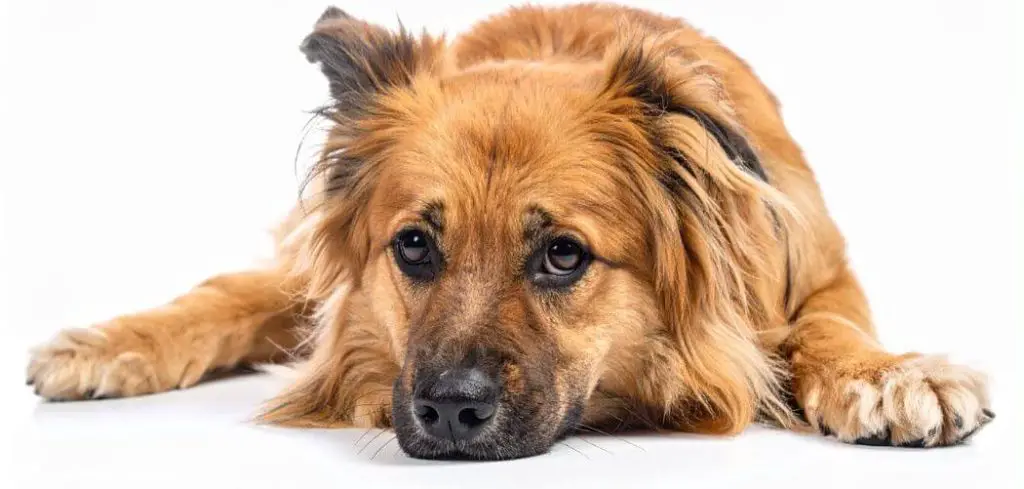
Dog Throws Up Day After Vaccine: Common Causes
Normal Immune Response to Vaccination
A vaccine’s job is to activate the immune system so the body can build protection against serious diseases.
This activation can sometimes lead to temporary inflammation, which may affect the digestive system.
When the immune system ramps up, some dogs experience a mild fever, decreased appetite, or vomiting within 24 hours. This is most common in puppies, toy breeds, or dogs that tend to react strongly to new stimuli.
Vomiting from a normal vaccine response usually happens once or twice and then stops as the immune system settles.
Dogs may also be more tired than usual, prefer to rest, or eat lightly. While this can be unsettling, it typically resolves within a day without complications.
Related: Dog diarrhea after vaccines (Why it happens)
Stress Related Stomach Upset
Veterinary visits can be stressful, even for dogs who normally seem relaxed. The excitement, fear, car ride, and overall disruption to their routine can trigger the release of stress hormones like adrenaline and cortisol.
These chemicals affect the stomach and intestines, sometimes leading to nausea or vomiting the next day once the dog has calmed down.
Dogs with nervous temperaments, rescue backgrounds, or sensitive stomachs are especially prone to post-visit digestive issues.
This type of vomiting often occurs alongside pacing, clinginess, drooling, excessive licking, or temporary loss of appetite.
Reaction to Vaccine Ingredients or Additives
Although uncommon, some dogs are sensitive to specific components of a vaccine. This does not necessarily mean they’ve had a dangerous reaction — mild sensitivity often shows up as gastrointestinal upset instead of swelling or hives.
The body may react to stabilizers, preservatives, or adjuvants within the vaccine, causing vomiting within 12–24 hours.
This type of reaction can present with minor symptoms like vomiting, mild fever, or lethargy, and typically resolves on its own.
However, dogs who have had previous sensitivities may be at slightly higher risk of repeat upset.
Pain at the Injection Site
Some dogs feel sore after receiving a vaccine, especially if they were given multiple injections during the same appointment.
Pain and localized swelling can cause restlessness, reduced appetite, and nausea — all of which can contribute to vomiting the next day.
You might notice your dog licking the injection area, flinching when touched, or being more hesitant with movement.
Because discomfort can influence eating patterns and stress levels, vomiting may occur as a secondary effect rather than a direct reaction to the vaccine.
Coincidental Gastrointestinal Illness
Not all vomiting after a vaccine is caused by the vaccine itself. Dogs can develop stomach upset from unrelated issues such as eating something outside, sudden food changes, parasites, viral infections, or bacterial overgrowth.
Puppies are especially prone to GI disturbances and may develop vomiting around the same time as a vaccine by coincidence.
Because the timing overlaps, it’s easy to assume the vaccine caused the problem. Watching for additional symptoms — diarrhea, repeated vomiting, refusal to eat, or weakness — can help determine if something more than a mild vaccine response is happening.
Overstimulation After Vaccination
A dog who is overly excited or active after a vet visit may experience GI upset the following day.
Running, playing, or eating too quickly right after a stressful appointment can irritate the stomach and lead to vomiting once things settle down.
This cause is especially common in young, energetic dogs who don’t rest even after a stimulating experience. Because activity can affect digestion, vomiting may appear delayed rather than immediate.
Related: Dog tired after vaccine (Why it happens)
What to Do If Your Dog Throws Up the Day After a Vaccine
If your dog throws up the day after a vaccine, start by evaluating how often it happens and how your dog is acting overall.
A single episode of vomiting with otherwise normal behavior is usually not an emergency and may simply reflect mild digestive upset or immune system activation.
Give your dog a few hours without food to allow their stomach to settle. After this rest period, offer a small amount of bland food such as plain boiled chicken and white rice. If they keep it down, you can gradually return to their normal diet later in the day or the following morning.
Make sure your dog has access to fresh water, but don’t allow gulping or large amounts at once, as this can trigger more vomiting.
Let them rest in a quiet, comfortable area where they can relax without excitement or activity. Monitor for additional symptoms like diarrhea, swelling at the injection site, lethargy, or repeated vomiting.
These signs can help you determine whether your dog is simply reacting mildly or needs veterinary attention.
Avoid giving any over-the-counter medications unless your veterinarian recommends it. Some human medications are dangerous to dogs and can worsen vomiting or cause internal damage.
When to Call or Visit Your Vet
Contact your veterinarian promptly if your dog vomits repeatedly or shows signs of a more serious reaction.
Frequent vomiting, inability to keep water down, or worsening symptoms may indicate something more than simple vaccine sensitivity.
If your dog develops facial swelling, hives, difficulty breathing, or collapse, seek emergency care immediately. These can be signs of a severe allergic reaction, which requires urgent treatment.
Call your vet if your dog appears unusually lethargic, has a persistent fever, or develops diarrhea along with the vomiting. These symptoms can indicate gastrointestinal infection, dehydration, or a reaction that needs monitoring.
Injection site swelling that grows quickly, feels hot, or becomes painful should also be evaluated. Although mild swelling is common, significant inflammation can indicate infection or vaccine-related inflammation that needs attention.
If your dog is a small breed, a young puppy, or has a history of vaccine reactions, your vet may recommend adjustments for future vaccinations.
This can include spacing out vaccines, using alternative formulations, or prescribing pre-treatment medications.
Related: Dog side effects after vaccines (Understanding why it happens)
Key Takeaway
Vomiting the day after a vaccine can be unsettling, but in many cases, it reflects a mild and temporary immune response or stress-related stomach upset. Most dogs recover quickly with rest, a gentle diet, and close monitoring.
However, repeated vomiting, swelling, difficulty breathing, or severe lethargy should always prompt a call to your veterinarian.
By keeping an eye on your dog and responding early when something seems wrong, you can ensure they remain safe and comfortable after their vaccinations.