
It can be worrying when a dog that once loved cuddling suddenly prefers to sleep alone, seemingly avoiding family interaction.
This shift in behavior might leave owners wondering if something is wrong or if their dog is becoming distant.
While this change is often behavioral rather than medical, it can still signal emotional needs or environmental factors that should be understood.
This guide explains the most common reasons dogs suddenly want to sleep alone, what you can do, and when it’s best to involve your veterinarian.
Dog Suddenly Wants to Sleep Alone: Why It Happens
Old dog behavior change is usually caused by cognitive decline, pain, sensory loss, illness, or major shifts in physical comfort as the dog ages. Senior dogs face many age-related challenges: slower brain function, organ weakness, arthritis, hormonal changes, and reduced energy levels.
These internal shifts alter how they interact with people, pets, and their environment.
Some changes are mild and gradual, like sleeping more; others are sudden, such as irritability, confusion, or nighttime restlessness.
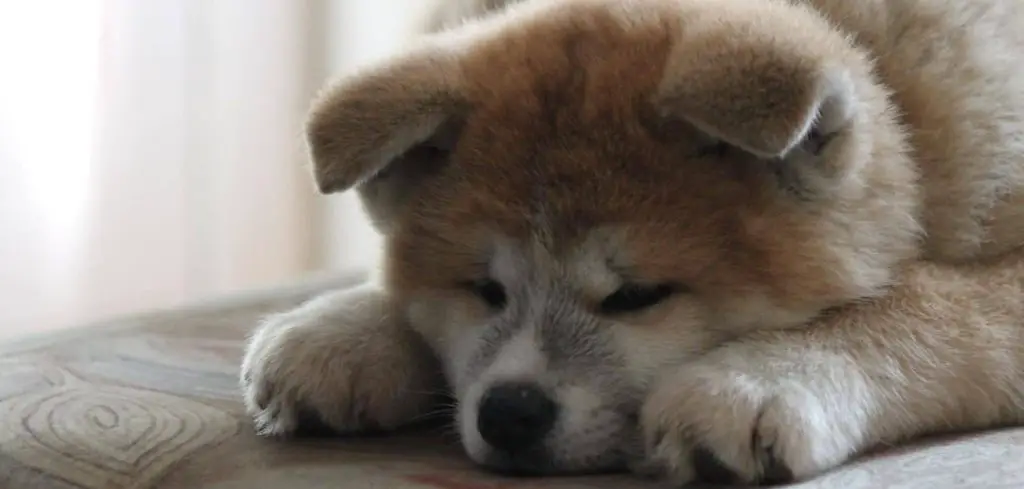
Dog Suddenly Wants to Sleep Alone: Common Causes
Change in Comfort Preferences
As dogs age or experience shifts in their environment, they may develop new comfort preferences.
A dog that once shared a bed or couch might now seek cooler or quieter areas to rest. This change can be influenced by temperature, bedding textures, or even the presence of other pets or people in the sleeping area.
Understanding these preferences is important because forcing a dog to share a space against its comfort can increase stress and potentially exacerbate avoidance behaviors.
Related: Dog Not Sleeping at Night Anymore (Here’s Why)
Desire for Personal Space
Dogs, like people, sometimes crave personal space. Even social dogs can feel the need to have a private resting area, especially after periods of high activity or stimulation.
Seeking solitude doesn’t necessarily indicate illness; it may reflect a healthy coping mechanism to recharge.
You may notice that your dog retreats to a quiet corner, crate, or separate room after playtime or during household activity.
Anxiety or Stress
Behavioral anxiety can cause a dog to suddenly want to sleep alone. Stressors such as new family members, visitors, construction noise, or changes in daily routines can make dogs feel safer away from the household bustle.
Signs often accompany this behavior, including pacing, whining, or restlessness before bedtime.
Understanding and minimizing these triggers can help your dog feel secure without forcing them into a shared space they’re uncomfortable with.
Guarding or Territorial Instincts
Some dogs develop guarding behaviors or heightened territorial instincts. Sleeping alone can be a way for a dog to monitor a preferred area or maintain control over its environment.
While this is generally more common in certain breeds or individual personalities, it can appear suddenly in previously sociable dogs.
Recognizing these instincts can help owners manage the environment so the dog feels safe without tension in the household.
Previous Negative Experience
A dog may associate sleeping near family members with discomfort if a negative experience occurred, even once.
For instance, a loud noise during the night, an accidental footstep, or a minor conflict with another pet may lead the dog to seek a different sleeping area.
While the event might seem insignificant to humans, dogs can form strong associations with certain spaces.
Observing when and where the dog chooses to sleep can reveal patterns that indicate what triggered the change.
Adjusting to Aging or Health Changes
Even behavioral changes are sometimes subtly linked to physical changes.
Older dogs may prefer sleeping alone if joints ache, their body temperature regulation shifts, or they feel less agile.
While the behavior itself is not necessarily a medical issue, it can highlight underlying comfort needs.
You may notice that your dog stretches differently, moves slower, or takes longer to settle down, indicating that adjusting their sleep environment could improve rest quality.
Read more: Dog Suddenly Aggressive Towards Family Member (Here’s why)
What to Do If Your Dog Suddenly Wants to Sleep Alone
If your dog has suddenly developed a preference for sleeping alone, there are several ways to manage and support them:
Respect their choice while monitoring for additional behavior changes. Allowing your dog to choose its sleeping spot can reduce stress and prevent forced interactions that might backfire. Observing the areas they prefer can also reveal comfort or environmental needs.
Create multiple comfortable sleeping areas around the home. Soft bedding, quiet corners, and temperature-appropriate spots give your dog options to rest safely while still feeling part of the household. This approach is particularly helpful in multi-dog homes or busy families.
Maintain consistent routines. Dogs often respond well to predictable schedules for meals, walks, and bedtime. A steady routine can reduce anxiety and make the dog more willing to engage socially while still respecting their sleep preferences.
Engage in positive reinforcement and bonding during the day. Play, gentle petting, and training sessions can satisfy social needs, so the dog feels secure without needing to sleep directly with family members. This balance helps prevent the behavior from being misinterpreted as rejection.
Observe for subtle signs of stress or discomfort. Even when the behavior is primarily behavioral, changes in appetite, energy, or interactions can indicate anxiety or emerging health concerns. Taking note of these signs ensures your dog’s wellbeing remains a priority.
When to Call or Visit Your Vet
While a sudden preference for sleeping alone is often behavioral, there are scenarios where veterinary consultation is warranted:
If the behavior is accompanied by aggression, excessive whining, or sudden fear responses, this may indicate heightened stress or underlying discomfort. A vet or behaviorist can help determine the cause and provide guidance.
Changes in appetite, water intake, or elimination patterns alongside the sleep preference could point to medical issues. Even if the primary concern appears behavioral, these signs should prompt a checkup.
If your dog shows signs of pain, such as limping, stiffness, or sensitivity to touch, the preference for sleeping alone may be related to physical discomfort rather than a purely behavioral choice.
A sudden, extreme change in personality or energy levels should always be assessed. Behavioral shifts can occasionally be the first indication of conditions like cognitive dysfunction or neurological changes in older dogs.
Related: Old dog poop in sleep (Why it happens)
Key Takeaway
A dog suddenly wanting to sleep alone is often a normal behavioral adjustment, reflecting personal comfort, independence, or environmental preferences.
Observing your dog, providing multiple comfortable resting areas, and maintaining consistent routines can help ensure they feel safe and happy while resting alone.
While this behavior is usually not a sign of illness, keeping an eye on overall health and consulting your veterinarian if additional symptoms appear will ensure your dog remains healthy, comfortable, and well-adjusted.
Supporting your dog’s choices with patience and understanding strengthens your bond while respecting their individual needs.