
When your dog becomes suddenly obsessed with you, it can feel both sweet and concerning at the same time.
A clingy dog that follows you everywhere, stares at you nonstop, or refuses to leave your side is communicating that something has changed — but what?
This guide explains the most common reasons a dog may suddenly become obsessed with you, what you can do, and when it’s best to involve your veterinarian.
Dog Suddenly Obsessed With Me: Why It Happens
A dog suddenly becoming obsessed with you usually comes from a mix of emotional, environmental, and stress-related triggers. Dogs often attach themselves more strongly when they feel insecure, anxious, or unsure about their surroundings, and the sudden clinginess can be their way of seeking reassurance from their most trusted person.
Changes in the home, loud noises, shifts in routine, hormonal transitions, boredom, and separation anxiety can all cause a dog to suddenly stick to you like glue.
Some dogs also become extra attached when they feel unwell or uncomfortable, even if the signs of illness are subtle.
While the behavior is often rooted in emotional needs, it’s important to pay attention to any patterns or additional symptoms so you can understand what your dog is trying to communicate.
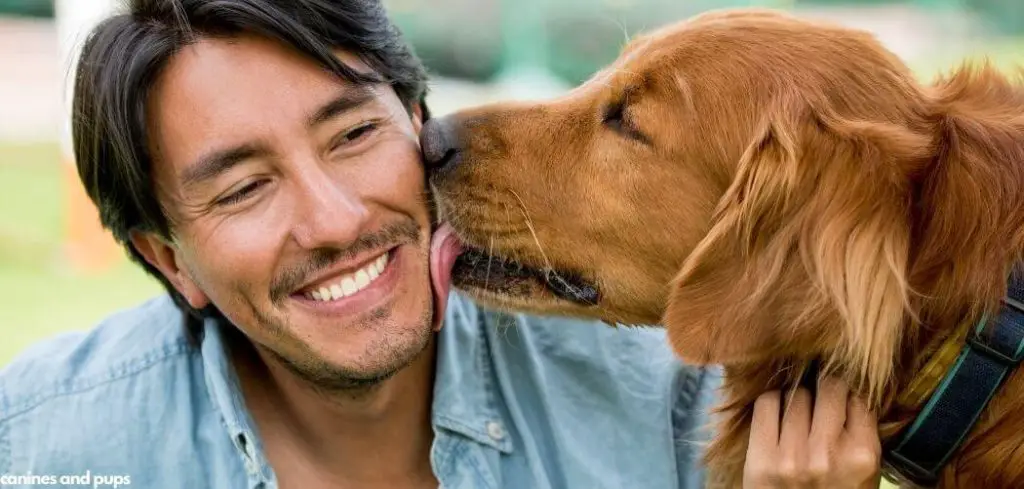
Dog Suddenly Obsessed With Me: Common Causes
Stress
Anxiety is one of the most common reasons a dog suddenly becomes obsessed with you.
Dogs look to their owners for comfort and stability, so when something makes them uneasy, they naturally cling to the person who makes them feel safest.
This type of clinginess may show up after a sudden loud noise, an argument in the home, a visitor they don’t recognize, or even subtle changes you might not notice right away.
A stressed dog might pace, pant, shake, or vocalize more than usual. They may bury their face in you, sit on your feet, or refuse to be more than a few inches away from you.
This obsessive closeness is their way of grounding themselves and seeking reassurance. If the stressor becomes repeated or chronic, the clinginess often becomes more persistent.
Understanding what triggered the stress can go a long way in helping your dog feel secure again.
Related: Dog licking me excessively suddenly (Here’s why)
Recent Changes in Routine or Environment
Dogs thrive on consistency, and even small disruptions can make them feel unsettled.
Something as simple as you waking up earlier than usual, changing feeding times, rearranging furniture, or having new people in the home can cause a dog to cling more tightly to you.
Bigger changes — such as moving houses, new pets, new babies, or altered work schedules — can amplify the behavior significantly.
A dog reacting to change may follow you constantly, watch you intently, or cry when you leave the room.
They’re trying to adjust to what feels unfamiliar and are using your presence as an anchor. For some dogs, once routine is re-established, the clinginess naturally improves.
Separation Anxiety
Separation anxiety is a medical-behavioral condition that can cause a dog to become intensely attached to one person.
When a dog is developing or experiencing separation anxiety, their sudden obsession with you is part of their fear of being left alone. They may shadow you everywhere you go, block doors, whine when you move, or seem panicked when you prepare to leave.
You might also notice signs when you’re gone, such as:
Destruction around windows or doors.
Excessive barking or whining.
Drooling.
Accidents indoors.
Pacing or trembling captured on pet cameras.
Dogs with separation anxiety see their primary person as their emotional “safe zone,” so they cling harder in an attempt to prevent separation.
This condition tends to worsen without intervention but can be managed with routine changes, training, and professional support.
Hormonal Shifts
Hormonal changes — especially in intact dogs or recently spayed/neutered dogs — can influence clingy or obsessive behavior.
In females, heat cycles, pregnancy, pseudopregnancy, or hormonal fluctuations after spaying can create emotional sensitivity. These dogs may seek extra affection, become unusually needy, or shadow their favorite human obsessively.
Male dogs experiencing hormonal changes after neutering may also become temporarily clingy as their body adjusts. While these hormonal transitions usually resolve on their own, the clinginess can feel sudden and intense.
A hormonal-related obsession often comes with additional signs such as nesting, restlessness, licking, changes in appetite, or irritability.
Illness
Even though this topic is categorized as behavior, medical issues can still drive sudden clinginess.
Dogs hide pain instinctively, so instead of yelping or limping, they may simply become more attached and emotionally dependent. When something doesn’t feel right in their body, they turn to you for comfort.
Medical-related clinginess may be accompanied by:
Reduced appetite.
Sleeping more.
Changes in stool or urination.
Reluctance to jump or climb.
Low energy.
Licking one specific area.
Pain, nausea, infections, digestive issues, or general malaise can all trigger a sudden obsession with staying close to you. If the clinginess appears along with any physical changes, a vet check is a good idea.
Fear Periods in Puppies and Adolescents
Puppies and young dogs go through developmental “fear periods” where they temporarily become more skittish and clingy.
During these windows, a dog may suddenly act unsure, frightened, or overly attached — even if nothing major changed. They may stick to their owner more as a form of security and reassurance.
Adolescents often go through a second fear period around 6–14 months, and sudden obsession with their owner is a very common sign. This type of clinginess usually improves over time with gentle guidance and patience.
Related: Dog excessively licking my arm (Here’s why)
What to Do If Your Dog Is Suddenly Obsessed With You
If your dog is suddenly obsessed with you, start by observing when and how the behavior appears. Understanding the context — new noises, altered routines, changes in the home, or signs of stress — can help you pinpoint the trigger.
Spend extra time with your dog in calm, reassuring ways such as quiet petting, peaceful walks, or low-key play since emotional support helps them regain their confidence.
Consider increasing mental and physical enrichment throughout the day, especially if your dog may be bored or understimulated.
Simple additions like puzzle toys, snuffle mats, training sessions, or outdoor sniff walks can satisfy their mind and reduce dependency on you.
Gradually build independence by encouraging short periods of calm alone time while you’re still home, rewarding your dog for relaxing without constant contact.
If you suspect separation anxiety, begin practicing slow, structured departures paired with desensitization exercises that reduce the panic associated with you leaving.
Professional trainers or veterinary behaviorists can also help create specialized plans when the clinginess becomes overwhelming.
And if you see any signs of discomfort or physical illness along with the clingy behavior, schedule a vet visit to rule out medical influences.
When to Call or Visit Your Vet
You should contact your veterinarian if your dog’s sudden obsession with you comes with physical changes, as dogs often use clinginess to communicate discomfort.
If you notice vomiting, diarrhea, reduced appetite, limping, swollen areas, lethargy, or any unusual physical signs, it’s best to have your dog examined.
Sudden behavioral shifts paired with medical symptoms may point to pain, illness, or hormonal imbalance.
If your dog becomes so anxious that they cannot be left alone without destructive behavior, extreme vocalization, or signs of panic, veterinary guidance is also recommended. A vet can help rule out underlying conditions and may refer you to a behavior specialist if the anxiety is severe.
If the behavior escalates rapidly or your dog seems distressed, don’t wait — reach out for help.
Read more: Dog Suddenly Panting and Restless (Why it happens)
Key Takeaway
A dog suddenly becoming obsessed with you is usually their way of expressing insecurity, anxiety, stress, or a need for comfort — and while the behavior can be overwhelming, it’s also deeply meaningful. Understanding what triggered the shift can help you respond with empathy and clarity.
Provide reassurance, maintain stable routines, offer enrichment, and support your dog’s emotional needs as they regain confidence. And always involve your veterinarian if the clinginess appears alongside physical symptoms or severe anxiety.
With the right approach, most dogs return to a balanced level of independence and feel safe exploring their world again.