
Sudden aggression towards other dogs can be alarming for any dog owner. When a previously friendly dog begins showing aggressive behavior, it can lead to stressful interactions, potential injuries, and challenges in social situations.
This guide explains the most common reasons a dog suddenly becomes aggressive towards other dogs, what you can do at home, and when it’s best to involve your veterinarian.
Dog Suddenly Aggressive Towards Other Dog: Why It Happens
A dog suddenly aggressive towards other dogs may be reacting to fear, pain, territorial instincts, or changes in their environment or social structure. These behavioral shifts can happen abruptly, even in dogs that have previously been calm and well-socialized.
Triggers for aggression can range from underlying medical conditions like pain or illness, to environmental stressors, social conflicts, or hormonal influences.
Observing the context, body language, and frequency of aggressive episodes can help determine whether the behavior is situational, health-related, or part of a broader behavioral pattern.
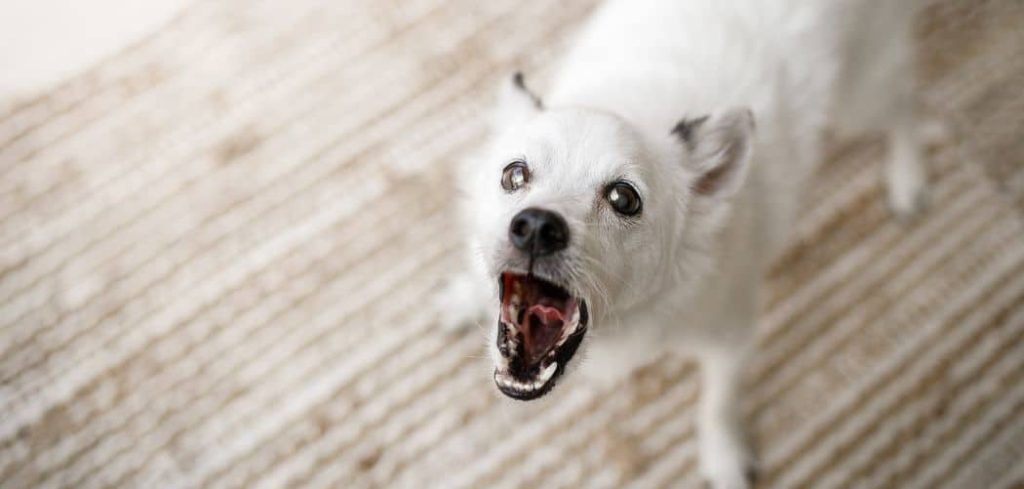
Dog Suddenly Aggressive Towards Other Dog: Common Causes
Fear or Anxiety
Fear is one of the most common reasons a dog suddenly becomes aggressive towards other dogs.
A dog may feel threatened or unsafe in a new environment, or after a negative experience with another dog. Signs of fear-related aggression include cowering, growling, snapping, or attempts to escape.
This type of aggression is often defensive rather than offensive, and can escalate if the dog feels cornered or trapped.
Understanding your dog’s triggers and providing a calm, controlled environment can help reduce fear-induced aggression.
Related: Old dog getting aggressive (Why it happens)
Pain or Medical Issues
Unexpected aggression can sometimes be linked to underlying medical problems. Dogs experiencing pain from conditions like arthritis, dental issues, or injury may become irritable or less tolerant of other dogs.
Illnesses that affect the brain or neurological function, such as infections or tumors, can also influence behavior.
You may notice additional signs such as reluctance to move, changes in appetite, or sensitivity when touched.
Medical-related aggression is serious because addressing the underlying health issue can often resolve the behavior, but untreated pain can worsen both aggression and quality of life.
Territorial or Resource Guarding
Dogs may display aggression to protect their space, possessions, or human family members.
Territorial aggression can manifest suddenly if a dog feels another dog is invading their home, yard, or familiar walking route.
Resource guarding occurs when a dog perceives toys, food, or even their owner as valuable items to protect.
Signs include growling, snapping, lunging, or posturing. You should observe interactions carefully and avoid forcing confrontations, as this can escalate aggression and stress.
Changes in Social Dynamics
Dogs are social animals and may respond aggressively when social hierarchies are disrupted.
Introducing a new dog to the household, changes in the pack structure, or even seeing a familiar dog in a different context can trigger sudden aggression.
Signs may include stiff body posture, direct staring, or tension before an aggressive display.
Social aggression can be complex because it often involves subtle cues and learned behaviors. Proper introductions, training, and management are essential to prevent escalation.
Hormonal Influences
Hormonal changes, particularly in unneutered or unspayed dogs, can contribute to sudden aggression.
Testosterone in male dogs can increase dominance or territorial behaviors, while females in heat may display irritability or protectiveness.
Hormonal aggression often emerges during specific periods or under particular circumstances, and neutering or spaying can reduce these tendencies over time.
You may notice aggression that coincides with hormonal cycles or certain environmental triggers.
Past Trauma or Negative Experiences
A dog that has experienced trauma, abuse, or negative encounters with other dogs may develop sudden aggressive behaviors even after a period of calm.
Learned fear responses can resurface, causing defensive or reactive aggression. This type of aggression is often context-dependent and may involve specific triggers, such as approaching dogs of certain sizes or breeds.
Behavioral therapy, desensitization, and positive reinforcement can help rehabilitate dogs with trauma-related aggression, but professional guidance is strongly recommended.
Related: Why is my dog shaking and aggressive? (Here’s why)
What to Do If Your Dog Is Suddenly Aggressive Towards Other Dog
If your dog begins showing aggression towards other dogs, start by ensuring safety for both your dog and others. Avoid forcing interactions and maintain control on walks using a secure leash or harness.
Observe the situations that trigger aggression, noting the environment, distance, and other dogs’ behaviors.
Training techniques such as positive reinforcement for calm behavior, counter-conditioning to reduce fear, and gradual desensitization to triggers can help modify aggressive responses.
Avoid punishment-based methods, as these often increase stress and worsen aggression. Providing sufficient mental and physical stimulation, along with consistent routines, can reduce overall stress and help your dog feel secure.
Ensure your dog receives a veterinary check-up to rule out pain or medical conditions contributing to aggression. Working with a certified dog behaviorist or trainer can be invaluable in developing a tailored plan for managing and redirecting aggression safely.
When to Call or Visit Your Vet
Seek veterinary attention if your dog’s aggression is sudden, severe, or accompanied by signs of pain, illness, or neurological changes. Sudden aggression in a previously calm dog can indicate medical issues requiring prompt intervention.
Other warning signs include persistent irritability, unexplained injuries, or changes in appetite, sleep, or energy levels.
Puppies, senior dogs, and dogs with pre-existing health conditions may be at higher risk and should be evaluated promptly.
A veterinarian can perform physical exams, neurological assessments, and other diagnostics to determine whether the aggression is medically influenced and advise on appropriate treatment or referral to a behavioral specialist.
Read more: Dog Suddenly Aggressive (Understanding the triggers)
Key Takeaway
Sudden aggression towards other dogs can be concerning, but understanding the potential causes helps owners respond appropriately.
Aggression may stem from fear, pain, territorial instincts, social changes, hormonal influences, or past trauma.
Observing your dog’s triggers, providing a safe environment, and implementing positive reinforcement strategies can help manage behavior.
Veterinary evaluation is essential if aggression is severe, sudden, or accompanied by other health concerns.
With careful observation, consistent management, and professional guidance, most dogs can learn to interact more safely and confidently with other dogs, improving quality of life for both pets and owners.