
A dog that suddenly collapses, seems confused, or cannot move properly after a vaccination is one of the most frightening things a pet owner can experience.
While true strokes in dogs are rare, severe reactions to vaccines can trigger neurological and circulatory events that look very much like a stroke and must always be treated as an emergency.
Table of Contents
Dog Stroke After Vaccine
A dog appearing to have a stroke after vaccination is usually experiencing a severe immune or circulatory reaction that temporarily disrupts blood flow, brain signaling, or nerve function.
This can happen when the immune system overreacts to vaccine ingredients, when blood pressure drops suddenly, or when inflammation affects the brain and spinal cord.
Some dogs are genetically more sensitive to immune triggers, making them more vulnerable to neurological side effects after vaccines.
In rare cases, vaccination can unmask an underlying clotting disorder, heart condition, or autoimmune disease that was not previously visible.
A dog stroke after vaccine happens because the body’s defense system becomes overwhelmed and temporarily disrupts the nervous system’s ability to function normally.
In this guide we explain the most common causes of a dog trembling and shaking after a vaccine, a possible vaccine reaction, and what you can do.
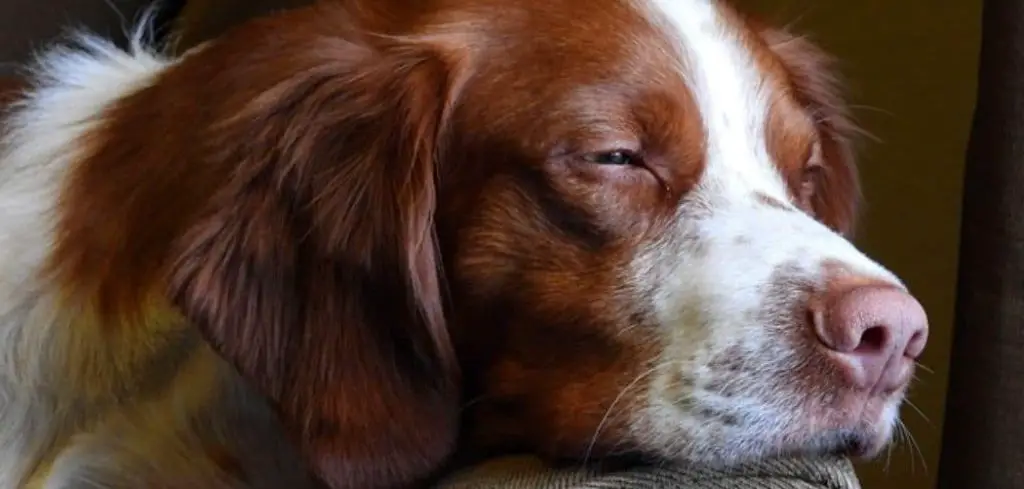
Dog Stroke After Vaccine: Common Causes
Severe Allergic Reaction (Anaphylaxis)
One of the most dangerous reasons a dog may show stroke-like symptoms after vaccination is anaphylaxis.
This is a rapid, whole-body allergic response to proteins or preservatives in the vaccine. When it occurs, blood vessels suddenly dilate and blood pressure drops, which can reduce oxygen delivery to the brain.
Dogs experiencing anaphylaxis may collapse, become disoriented, wobble, or seem unable to control their limbs. They may also have facial swelling, vomiting, or pale gums.
This type of reaction can make a dog look as though they have had a stroke, when in reality the brain is being starved of proper circulation.
Without immediate treatment, this condition can become fatal within minutes.
Read more: Dog Shaking After Vaccines (Why it happens)
Vaccine-Triggered Inflammatory Brain Response
In rare cases, a vaccine can overstimulate the immune system and cause inflammation in the brain or spinal cord. This condition, sometimes called immune-mediated encephalitis or meningitis, disrupts normal nerve signaling and balance.
Dogs may suddenly lose coordination, walk in circles, tilt their head, have tremors, or become mentally “absent.” These symptoms often appear similar to a stroke and can develop within hours to a few days after vaccination.
Because the inflammation is happening inside the nervous system, symptoms can progress quickly and require medical intervention to prevent permanent damage.
Blood Clot or Circulatory Disturbance
Vaccines activate the immune system, and in dogs with hidden clotting disorders, heart disease, or vascular weakness, this immune stimulation can trigger abnormal clot formation. A clot that blocks blood flow to part of the brain can produce a true stroke.
Dogs may suddenly lose the ability to walk, fall over, or appear blind or confused. One side of the face or body may become weak. These changes are often abrupt and alarming.
While rare, this cause is especially dangerous because actual strokes can lead to long-term neurological impairment if not treated quickly.
Low Blood Sugar or Blood Pressure Collapse
Some dogs, especially small breeds, puppies, and dogs with liver or metabolic conditions, may experience dangerous drops in blood sugar or blood pressure after vaccination.
The stress on the body combined with immune activation can cause fainting, weakness, and brain dysfunction.
Dogs may appear dazed, unresponsive, or unable to stand. Their eyes may dart or they may appear to “space out.” These episodes are sometimes mistaken for strokes because they involve sudden neurological dysfunction.
Restoring circulation and glucose levels usually leads to recovery, but the condition must be stabilized quickly.
Autoimmune Nervous System Reaction
In some dogs, vaccines can trigger the immune system to mistakenly attack nerve tissue. This condition interferes with how nerves send signals to muscles and the brain.
Dogs may suddenly become paralyzed, weak, or uncoordinated. Facial drooping, difficulty swallowing, and trembling may also occur. The dog may seem mentally confused or disconnected from their surroundings.
These reactions are unpredictable and can worsen over hours to days if untreated.
Underlying Neurological Disease Revealed by Vaccination
Some dogs have pre-existing but silent brain or nerve disorders. The stress of vaccination can act as a trigger that reveals these problems for the first time.
Conditions such as brain tumors, epilepsy, or degenerative nerve disease may suddenly show symptoms after the immune system is stimulated.
This makes it appear as though the vaccine caused the stroke, when in reality it exposed a hidden issue.
These dogs often require advanced diagnostics to determine the true cause of their symptoms.
Read more: Small Dog Shaking After Vaccine (Why it happens)
What to Do If Your Dog Has a Stroke After Vaccination
If your dog is showing neurological signs after vaccination, keep them calm and prevent further injury by placing them in a quiet, dimly lit area away from stairs or furniture. Limiting movement helps prevent falls and reduces stress on the nervous system.
Make sure your dog stays warm and comfortable. Stress and shock can worsen circulation problems, so gentle reassurance and stillness are important while you prepare to seek veterinary care.
Do not give any human medications, pain relievers, or home remedies. Many drugs can worsen neurological or circulatory issues and may interfere with emergency treatments your vet needs to provide.
If your dog is conscious, you may offer small sips of water, but do not force them to drink or eat. Difficulty swallowing is common with neurological problems and can lead to choking.
Contact your veterinarian or an emergency clinic immediately and describe exactly what you are seeing, including when the vaccine was given and how quickly symptoms started.
When to Call or Visit Your Vet
Any dog that suddenly collapses, becomes disoriented, or loses the ability to walk after vaccination needs emergency veterinary care. These are never symptoms to monitor at home.
If your dog is tilting their head, circling, trembling, or showing facial drooping, it may indicate brain inflammation or a vascular event and should be treated immediately.
Unresponsiveness, abnormal eye movement, or seizures after a vaccine are medical emergencies that require urgent intervention to protect the brain.
If swelling, vomiting, difficulty breathing, or pale gums accompany the neurological signs, anaphylaxis may be occurring and can become fatal without immediate treatment.
Read more: Dog side effects after vaccines (Possible reactions explained)
Key Takeaway
A dog appearing to have a stroke after a vaccine is experiencing a serious medical reaction that should never be ignored.
While true strokes are rare, immune and circulatory responses to vaccination can temporarily or permanently disrupt brain function.
Acting quickly, keeping your dog calm, and getting emergency veterinary care can make the difference between full recovery and lasting damage.
Always report vaccine reactions to your veterinarian so future vaccines can be adjusted to keep your dog safe.