
When your dog starts sneezing a lot all of a sudden, it can be both adorable and alarming. While the occasional sneeze is normal, frequent or sudden bouts of sneezing can indicate something more than just a tickle in the nose.
We outline the common causes of sudden sneezing in dogs, what you can do at home, and when to seek veterinary care.
Table of Contents
Dog Sneezing a Lot Suddenly: Why It Happens
A dog sneezing a lot suddenly usually means something is irritating their nose or upper airway. This can happen due to dust, pollen, perfume, or even a foreign object like a blade of grass stuck in the nasal passage. Allergies, nasal infections, or excitement can also trigger sneezing fits.
Sometimes, sneezing helps dogs expel mucus or debris — a natural reflex to clear their airways. However, if it happens frequently or is accompanied by discharge, bleeding, or pawing at the nose, it’s worth investigating further.
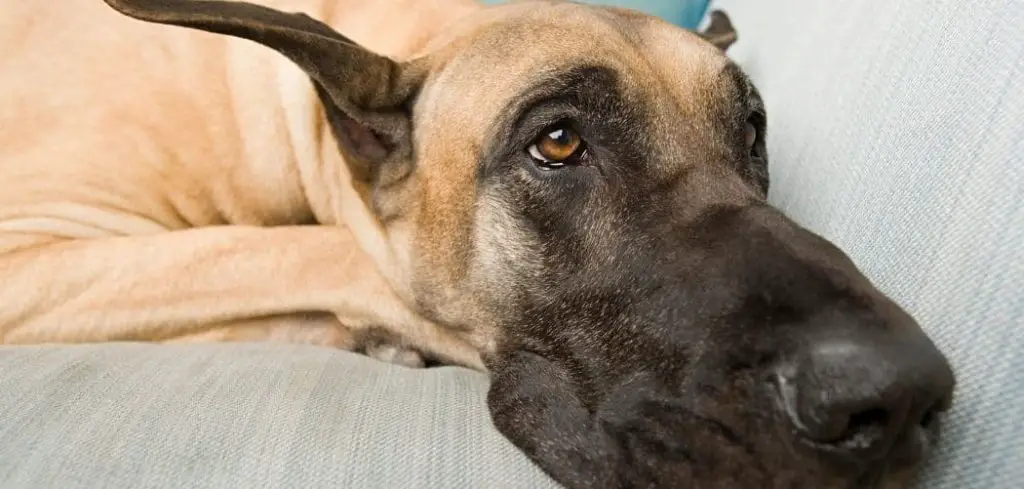
Dog Sneezing Attack Vs Dog Sneezing a Lot Suddenly: Is There a Difference?
A dog’s sneezing attack and sudden sneezing are related, but not exactly the same thing.
Dog Sneezing Attack
A sneezing attack is a sudden, intense burst of repeated sneezes happening in a short period (seconds to a few minutes). It often looks dramatic—rapid sneezing back-to-back—and is usually triggered by an immediate irritant like dust, pollen, strong smells, or a foreign particle.
It tends to come on quickly and then stop. Some episodes may actually be reverse sneezing, where the dog makes rapid snorting sounds instead of typical sneezes.
Most attacks are brief and resolve on their own. However, frequent or severe episodes can indicate allergies, infection, nasal mites, or something lodged in the nose.
Dog Sneezing a Lot Suddenly
Sneezing a lot suddenly means there is a new increase in sneezing frequency over time, not just one episode. The dog may sneeze repeatedly throughout the day or over several days.
This pattern is more likely linked to ongoing issues like allergies, infection, nasal irritation, or something stuck in the nose.
Key difference
Sneezing attack = short, intense episode
Sneezing a lot suddenly = ongoing pattern/change
So they’re not the same—an attack is about intensity in the moment, while “sneezing a lot suddenly” is about a change in pattern over time.
Dog Sneezing a Lot Suddenly: Common Causes
1. Environmental Irritants
Just like humans, dogs can react to strong smells or particles in the air. Perfumes, cleaning products, cigarette smoke, or dusty environments can irritate the nasal passages, causing repeated sneezing.
If your dog sneezes more when you’re cleaning, spraying air fresheners, or spending time outside during pollen season, this could be the culprit.
Some dogs are more sensitive than others — especially smaller breeds and brachycephalic (flat-faced) dogs like Pugs and Bulldogs, who have shorter nasal passages that trap irritants easily.
Read more: Dog Sneezing No Other Symptoms (What it means)
2. Allergies
Allergies are one of the most common reasons for sudden sneezing in dogs. Environmental allergens such as pollen, mold, dust mites, or even certain fabrics can trigger an allergic reaction.
Sneezing is often accompanied by watery eyes, nasal discharge, or excessive paw licking.
Some dogs even develop seasonal allergies, sneezing more during certain months. Unlike humans, dogs rarely get hay fever — their allergy symptoms tend to show up through the skin (itching) or nose (sneezing and nasal irritation).
3. Nasal Mites
Nasal mites are tiny parasites that live in a dog’s nasal passages and sinuses. These microscopic pests can cause intense irritation, leading to persistent sneezing, nose rubbing, or even nosebleeds.
Nasal mites spread through direct contact between dogs — for example, during playdates or boarding stays.
If your dog can’t stop sneezing and also has nasal discharge or seems uncomfortable around the muzzle, your vet might perform a nasal swab to confirm this condition. Thankfully, nasal mites are treatable with specific antiparasitic medications.
4. Foreign Objects in the Nose
If your dog sneezes suddenly and repeatedly, especially after being outside, a foreign object might be lodged in the nasal cavity.
Common culprits include grass seeds, plant material, or small dirt particles. This can cause sudden, uncontrollable sneezing fits as the dog tries to expel the object.
You might also notice pawing at the nose, nasal bleeding, or whimpering. This is considered an emergency because foreign material can cause infection or damage to the nasal tissues if not removed promptly by a vet.
5. Infections (Viral, Bacterial, or Fungal)
Respiratory infections like kennel cough or canine influenza can cause sneezing, coughing, and nasal discharge.
If your dog recently stayed in a kennel, groomer, or dog park, they may have picked up a contagious infection. In some cases, bacterial or fungal infections can cause chronic sneezing and nasal congestion.
You might notice thick discharge (yellow, green, or bloody), lethargy, or loss of appetite along with the sneezing.
These infections often require antibiotics, antifungal treatment, or supportive care prescribed by a veterinarian.
6. Excitement or Play Sneezing
Dogs sometimes sneeze when they’re excited or playing — a behavior known as “play sneezing.”
This type of sneezing is harmless and serves as a form of communication during playtime, showing friendliness and excitement rather than illness.
If your dog only sneezes during play sessions, it’s likely behavioral rather than medical. It’s short-lived and usually stops once your dog calms down.
7. Dental Problems
Surprisingly, dental disease can also cause sneezing. Infections or abscesses in the upper teeth can erode into the nasal cavity, causing irritation and inflammation.
This leads to sneezing, nasal discharge (sometimes on one side only), and facial discomfort.
Regular dental care, including brushing and professional cleanings, helps prevent this issue. If sneezing is accompanied by bad breath or reluctance to eat, a dental checkup is recommended.
Read more: Dog Sneezing and Not Eating (Here’s why)
Dog Suddenly Sneezing A Lot but Acting Normal
Sudden frequent sneezing in a dog that otherwise seems normal is often due to mild irritation in the nasal passages. Common causes include dust, pollen, strong smells, or a small foreign particle like a grass seed.
Dogs may sneeze repeatedly as the body tries to clear the irritant. If the dog is eating, active, and has no discharge or breathing difficulty, it is often temporary.
However, persistent sneezing may indicate infection, allergies, or something lodged in the nose.
Dog Sneezing A Lot Suddenly and Shaking
Sneezing combined with shaking can suggest increased discomfort, irritation, or stress. The shaking may be a response to irritation in the nose, anxiety, or mild pain.
This combination can occur with infections, allergies, or a foreign object causing discomfort.
If the dog appears restless, has nasal discharge, or continues to shake, it may indicate that the irritation is more significant than a simple temporary trigger.
Old Dog Sneezing A Lot Suddenly
When an older dog starts sneezing frequently, it is more likely to be linked to underlying health issues rather than simple irritation.
Possible causes include nasal infections, dental disease affecting the sinuses, growths or tumors, or chronic inflammation.
Senior dogs are more prone to conditions that affect the nasal passages, so a sudden change in sneezing pattern—especially if ongoing—often needs closer attention.
Home Remedies for Sneezing Dog
For mild sneezing, home care focuses on reducing irritation and supporting clear airways. If your dog starts sneezing frequently but seems otherwise normal — eating, playing, and breathing comfortably — you can begin by checking for obvious irritants.
First, move your dog away from strong odors, scented candles, or recently cleaned areas. Wipe their face gently with a damp cloth to remove dust or pollen, and monitor if sneezing subsides once they’re in fresh air.
If your dog spends time outdoors, examine their nose for any visible debris, but avoid inserting anything into their nostrils. You can try using a saline spray for dogs to help clear mild irritation.
For mild seasonal allergies, your vet might recommend antihistamines or prescribe medication for more persistent symptoms. Keep your home free of smoke and excess dust, and vacuum regularly to minimize triggers.
If sneezing continues beyond a day or two, or is accompanied by nasal discharge, lethargy, or appetite loss, book a veterinary appointment — your dog may have an infection, nasal mites, or a foreign object that needs removal.
When to Call or Visit Your Vet
You should contact your vet if your dog’s sneezing:
Persists for more than 48 hours
Produces yellow, green, or bloody discharge
Is accompanied by coughing, lethargy, or difficulty breathing
Causes facial swelling or discomfort
Happens after outdoor activity (possible foreign object)
These signs suggest there’s more than simple irritation at play.
Your vet may perform nasal endoscopy, X-rays, or allergy testing to determine the cause. Quick treatment can prevent complications and ease your dog’s discomfort.
Read more: Dog sneezing excessively (Why it happens and how to calm it down)
Dog Sneezing A Lot Suddenly: Treatment
Treatment depends on the underlying cause. The veterinarian may examine the nose and recommend tests if needed.
If allergies are suspected, antihistamines or environmental changes may help. Infections may require antibiotics or anti-inflammatory medication.
If a foreign object (like a grass seed) is lodged in the nose, it may need to be removed. For nasal irritation or inflammation, supportive care such as humidification and hydration is often included.
Persistent, worsening, or one-sided sneezing—especially with discharge or bleeding—usually requires proper evaluation to guide treatment.
Key Takeaway
Sudden sneezing in dogs can range from a simple nose tickle to a sign of infection or nasal irritation.
Keep an eye on how often it happens, whether discharge or discomfort appears, and whether your dog’s behavior changes.
Most cases are mild and temporary, but persistent or severe sneezing always deserves a vet’s attention.
With gentle care, a clean environment, and timely veterinary guidance, your dog’s nose can be back to normal — happy, healthy, and sniffing without a sneeze.


