
Seeing your dog shaking after vaccines can be alarming, especially if it happens suddenly or seems intense.
While many dogs experience mild, temporary reactions after vaccinations, trembling can still worry owners who want to make sure their dog is safe.
This guide explains the most common causes of shaking after vaccines in dogs, what you can do, and when to seek veterinary help.
Dog Shaking After Vaccines: Why It Happens
A dog shaking after vaccines can happen for several reasons, including temporary immune system reactions, pain at the injection site, stress from the vet visit, or mild fever following immunization.
The body’s natural inflammatory response to vaccines can cause the dog to feel achy or chilled, which sometimes leads to trembling. Some dogs also shake because they feel anxious or overwhelmed after the appointment.
Although shaking can be normal in the hours following vaccination, significant discomfort, worsening symptoms, or shaking that is paired with vomiting, hives, or collapse requires immediate medical attention.
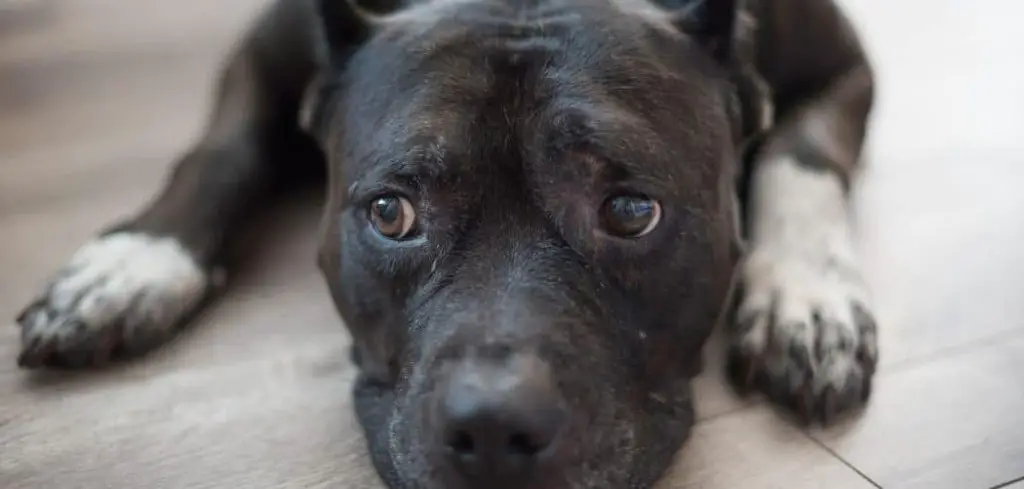
Dog Shaking After Vaccines: Common Causes
Mild Fever From the Vaccine
Some dogs develop a slight fever within a few hours of receiving vaccines. This low-grade fever is one of the most common causes of shaking after vaccines, because the dog may feel chilled as their body temperature fluctuates.
Just like humans, dogs may tremble when their immune system is activated and working hard.
You may notice your dog appearing tired, warm to the touch, or seeking extra rest. This type of fever usually fades on its own within 12–24 hours.
While mild fever is a normal response, a high or rapidly climbing temperature is not, and it’s important to monitor your dog closely during this period.
Shaking related to fever is typically mild and improves as the dog’s temperature returns to normal.
Related: Dog diarrhea after vaccines (Why it happens)
Pain or Soreness at the Injection Site
Localized pain is extremely common after vaccinations. The injection area can become tender, swollen, or mildly inflamed, which may cause your dog to shake or hold their body tensely. This is especially true if the injection was given in a sensitive spot or your dog already has a low pain tolerance.
Your dog may flinch when the area is touched, avoid lying on one side, or rest more than usual. Shaking can be a natural response to discomfort and does not automatically indicate a serious reaction.
Most injection-site soreness resolves within a day or two, but persistent swelling, a hard lump growing larger, or significant pain should be evaluated by a veterinarian.
Stress From the Vet Visit
Many dogs shake not because of the vaccine itself, but because the entire experience at the veterinary clinic is stressful.
The unfamiliar environment, handling, sounds, and anticipation can all elevate adrenaline levels. Once adrenaline spikes, dogs may shake even after they arrive back home.
This type of shaking is often accompanied by lip licking, pacing, hiding, clinginess, or restlessness. Behavioral shaking tends to look different from medical shaking: it often starts before the vaccine is even given and may continue for hours because the dog remains emotionally overwhelmed.
For anxious dogs, the stress of a vet visit can make normal post-vaccine reactions feel more intense.
Immune Response Discomfort
Vaccines stimulate the immune system, which is exactly what they are designed to do — but this activation can cause mild whole-body aches.
This achiness can lead to shaking, stiffness, or reluctance to move. Some dogs act as though they are sore after exercise, even if they didn’t do anything strenuous.
Body aches may cause trembling because the dog feels uncomfortable or fatigued. This effect typically lasts less than 24 hours and improves as the immune reaction settles.
However, shaking paired with difficulty walking, excessive whining, or extreme lethargy deserves veterinary attention.
Sensitivity to Vaccine Ingredients
Some dogs are naturally more sensitive to certain ingredients in vaccines.
This sensitivity may cause short-term trembling, shivering, or uneasiness as the body processes the injected material.
It’s not the same as an allergic reaction — instead, it’s a heightened physiological response to the immune stimulation.
These dogs may experience more intense shaking than average, though the reaction usually fades with time.
If you notice your dog reacts strongly after each vaccination, it’s important to let your vet know so they can adjust future protocols or pre-medicate with antihistamines if appropriate.
Early Stages of an Allergic Reaction
While rare, early allergic reactions can begin with shaking before more serious symptoms appear.
Shaking caused by an allergic reaction is usually accompanied by additional signs such as facial swelling, hives, drooling, or sudden lethargy. This reaction can escalate quickly, sometimes within minutes to an hour.
If shaking appears intense, sudden, or is paired with other abnormal signs, immediate veterinary care is crucial. Even mild signs can progress, so early intervention is always safer.
What to Do If Your Dog Is Shaking After Vaccines
If your dog is shaking after vaccinations, start by creating a calm, quiet environment at home.
Give your dog a chance to rest somewhere warm and familiar, as warmth can help reduce tremors caused by mild fever or immune reaction.
Offer water and allow them to drink at their own pace, since hydration helps the body process vaccine reactions more smoothly.
Monitor your dog’s temperature, behavior, and energy level during the next several hours. If they appear sore at the injection site, avoid touching the area directly and let them choose a comfortable resting position.
Some dogs may prefer lying alone while others want close contact; allowing them to choose helps keep stress low.
If your dog seems anxious from the vet visit, gentle reassurance, soft lighting, and minimal household noise can make a big difference.
Most mild reactions improve rapidly, but if shaking continues for more than a day, becomes severe, or is accompanied by vomiting, facial swelling, diarrhea, weakness, or breathing changes, contact your veterinarian immediately.
When to Call or Visit Your Vet
Shaking on its own can be normal after vaccines, but certain signs indicate that medical attention is needed.
If your dog shows facial swelling, hives, vomiting, or trouble breathing, contact your vet right away, as these are signs of an allergic reaction. Sudden collapse, pale gums, or extreme lethargy should also prompt immediate emergency care.
You should also contact your veterinarian if the shaking becomes more intense, spreads through the entire body, or does not begin to improve within 12–24 hours.
Persistent pain at the injection site, expanding swelling, or a lump that keeps growing over several days also requires evaluation.
If your dog has had significant reactions to vaccines in the past, reach out to your vet even if the symptoms seem mild, as they may want to monitor or pre-treat future vaccinations.
Related: Dog side effects after vaccines (Understanding why it happens)
Key Takeaway
Shaking after vaccines is usually a normal, temporary response to immune stimulation, stress, or mild discomfort.
Most dogs recover quickly with rest, warmth, and monitoring at home. However, strong shaking, concerning symptoms, or anything that feels “off” to you should be discussed with your veterinarian to ensure your dog stays safe and healthy.
Always trust your instincts — you know your dog best, and seeking guidance early is always the safest choice.