
It can be concerning when your dog starts rubbing their nose or face on the floor after vomiting.
Some dogs drag their muzzle across the carpet, rub against furniture, or repeatedly wipe their face on the ground immediately after throwing up.
While this behavior is often a response to irritation around the nose or mouth, it can also indicate nausea, oral pain, or another underlying medical condition that requires attention.
Table of Contents
Dog Rubbing Nose on Floor After Vomiting: Why It Happens
A dog may rub their nose on the floor after vomiting because of irritation from stomach acid, lingering nausea, something stuck in the mouth, dental disease, allergies, or another underlying medical condition.
Watching for additional symptoms can help determine whether the behavior is temporary or a sign of a more serious problem.
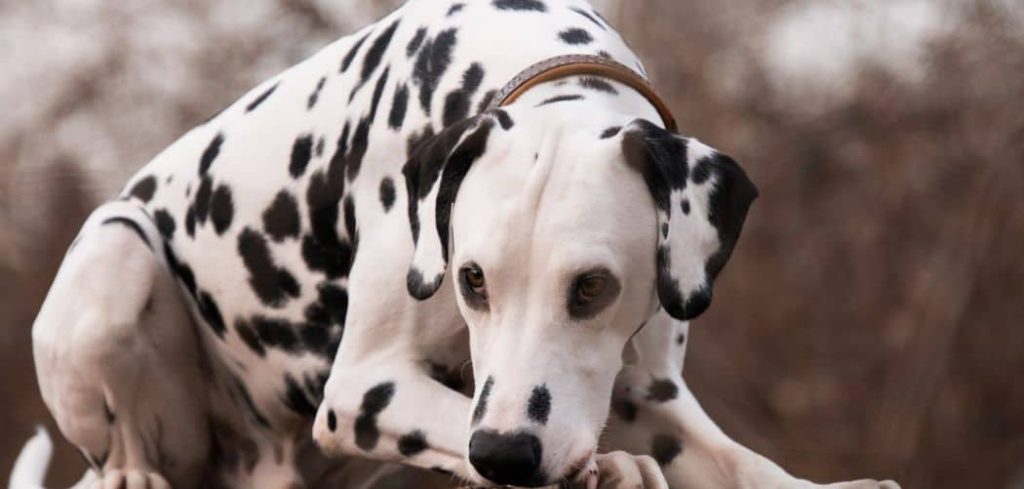
Common symptoms may include:
Rubbing the nose on the floor
Vomiting
Lip licking
Drooling
Pawing at the mouth
Gagging
Reduced appetite
Excessive swallowing
Dog Rubbing Nose on Floor After Vomiting: Common Causes
Irritation From Stomach Acid
One of the most common reasons dogs rub their nose after vomiting is irritation caused by stomach acid.
When a dog vomits, acidic stomach contents pass through the throat and mouth. This acid can temporarily irritate the lips, gums, tongue, nose, and even the skin around the muzzle.
Many dogs instinctively wipe or rub their nose against the floor, carpet, or furniture to relieve the uncomfortable sensation. The behavior often stops once the irritation settles.
If the vomiting is a one-time event and your dog quickly returns to normal, this is often the most likely explanation.
Related: Dog vomiting undigested food hours later (Why it happens)
Lingering Nausea
Vomiting does not always eliminate the feeling of nausea. Many dogs continue feeling sick after vomiting and may repeatedly lick their lips, swallow, drool, or rub their nose on the floor. These behaviors are common signs that nausea is still present.
Digestive upset, gastritis, pancreatitis, dietary indiscretion, motion sickness, kidney disease, liver disease, and many other conditions can all cause ongoing nausea.
If your dog continues rubbing their nose while refusing food or vomiting repeatedly, the underlying cause of the nausea should be investigated.
Related: Dog suddenly not eating and vomiting (Causes explained)
Food or Vomit Residue Around the Nose
Sometimes the explanation is relatively simple. Small amounts of vomit or food may remain on the nose, whiskers, or lips after vomiting.
Dogs naturally try to clean themselves by rubbing their face against the floor or nearby objects.
The behavior is usually brief and stops once the residue has been removed.
Gently wiping your dog’s face with a soft, damp cloth may help if they tolerate it.
Something Stuck in the Mouth or Throat
Vomiting can occasionally leave food particles or other material lodged in the mouth.
Dogs may rub their nose or paw at their face if something feels stuck between the teeth, on the roof of the mouth, or in the back of the throat.
You may also notice gagging, repeated swallowing, drooling, coughing, or difficulty eating afterward.
Your veterinarian may need to examine the mouth if the behavior continues.
Dental Disease or Oral Pain
Vomiting can make existing dental pain more noticeable.
Dogs with loose teeth, inflamed gums, tooth root abscesses, or mouth ulcers may rub their face after vomiting because the acidic stomach contents temporarily irritate already painful tissues.
Other signs may include bad breath, reluctance to chew, dropping food, pawing at the mouth, or eating on one side.
Dental disease is especially common in middle-aged and senior dogs and should be considered whenever unusual facial behaviors develop.
Allergic Reaction or Facial Irritation
In some cases, vomiting occurs as part of an allergic reaction. Food allergies, insect stings, medications, or contact with irritating substances may cause both vomiting and irritation around the muzzle.
Dogs often rub their noses because the skin feels itchy or uncomfortable. Noticeable signs include facial swelling, hives, redness, or excessive scratching.
Rapidly developing facial swelling should always be treated as potentially serious.
Underlying Gastrointestinal Disease
Repeated vomiting followed by nose rubbing may indicate an ongoing digestive disorder.
Conditions such as gastritis, inflammatory bowel disease, pancreatitis, intestinal obstruction, acid reflux, or stomach ulcers can all cause repeated episodes of nausea and vomiting.
The nose rubbing itself is usually not the primary problem but rather another sign that your dog remains uncomfortable.
If vomiting continues or other symptoms develop, veterinary evaluation is important to identify the underlying cause.
Dog Rubbing Nose on Floor After Vomiting: What to Do
Allow your dog to rest in a quiet area after vomiting. If there is vomit on the nose or muzzle, gently wipe it away with a soft damp cloth.
Offer small amounts of fresh water once your dog has settled, but avoid giving large amounts all at once, as this may trigger more vomiting.
Monitor for repeated vomiting, drooling, gagging, facial swelling, appetite changes, or difficulty swallowing.
Keep track of how many times your dog vomits and whether the nose rubbing continues after the nausea has resolved.
When to Call or Visit the Vet
Contact your veterinarian if your dog continues rubbing their nose after vomiting or if vomiting recurs.
Schedule an appointment if you notice:
Repeated vomiting
Persistent nose rubbing
Drooling
Reduced appetite
Gagging
Pawing at the mouth
Seek immediate veterinary attention if your dog develops:
Continuous vomiting
Difficulty breathing
Facial swelling
Collapse
A swollen abdomen
Blood in the vomit
Dog Rubbing Nose on Floor After Vomiting: Treatment
Veterinary assessment includes a physical examination to evaluate your dog’s mouth, throat, abdomen, and overall health.
Depending on the suspected cause, diagnostic testing may include bloodwork, oral examination, X-rays, ultrasound, or additional gastrointestinal testing.
Treatment depends on the underlying cause and may include anti-nausea medication, fluid therapy, treatment of dental disease, removal of foreign material, dietary management, or therapy for gastrointestinal disorders.
Recovery and Monitoring
Dogs that rub their nose because of temporary irritation after a single episode of vomiting often recover quickly. However, recovery depends on the underlying reason for the vomiting itself.
Conditions such as gastritis may resolve within a few days, while chronic digestive diseases often require ongoing management.
Continue monitoring your dog’s appetite, water intake, vomiting frequency, energy level, and facial behavior. Follow-up veterinary visits may be needed if symptoms persist or recur.
Key Takeaway
A dog rubbing their nose on the floor after vomiting is often reacting to irritation from stomach acid, lingering nausea, or food residue around the mouth.
However, dental disease, something stuck in the mouth, allergies, and gastrointestinal disorders can also trigger this behavior.
If your dog vomits repeatedly, continues rubbing their nose, develops facial swelling, or shows signs of pain or difficulty breathing, seek veterinary care immediately. Identifying and treating the underlying cause is the best way to relieve your dog’s discomfort and prevent further episodes.


